
 Save to Pinterest
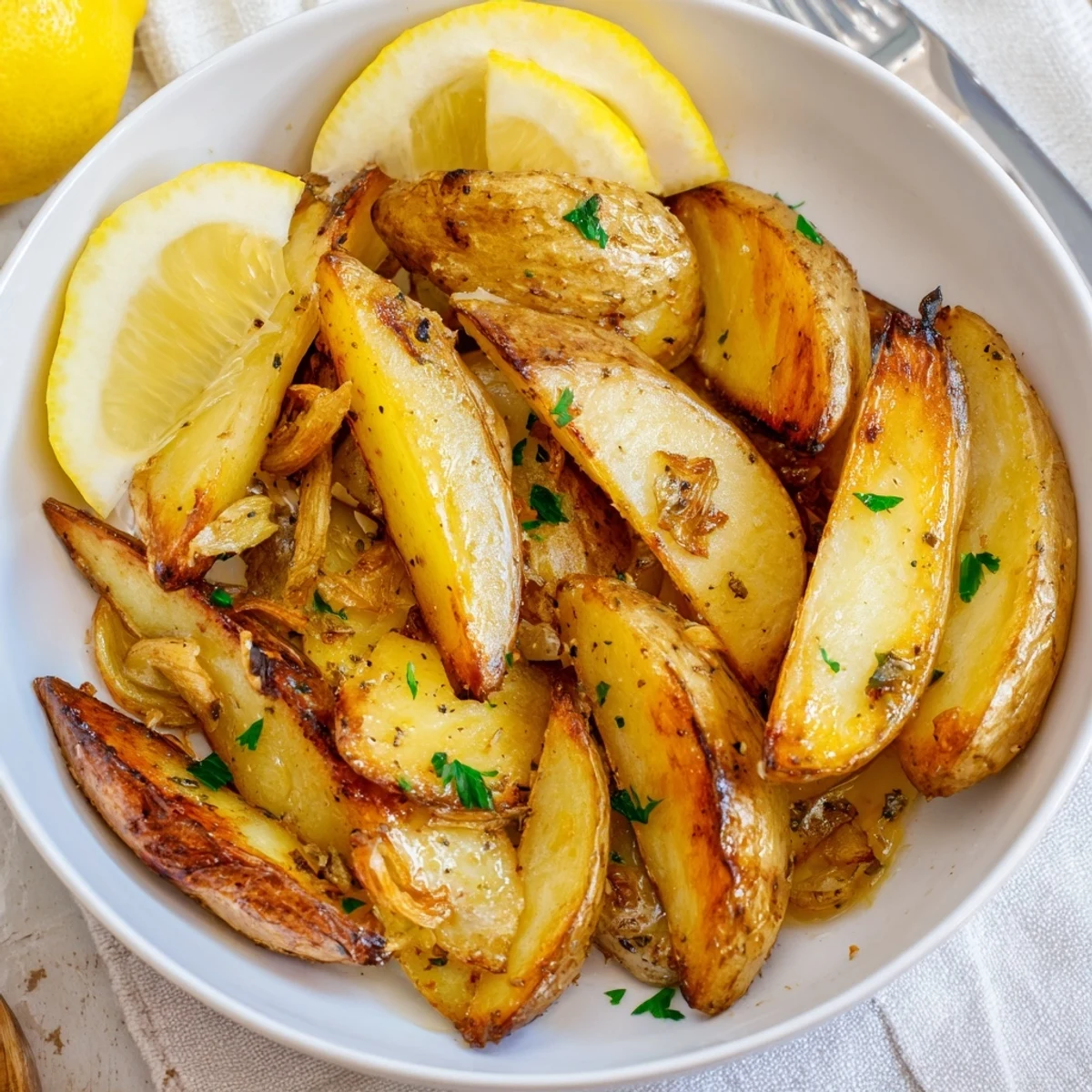
 Toss Yukon Gold wedges in 1/4 cup olive oil, 1/3 cup lemon juice, minced garlic, 1 cup broth, dried oregano, salt and pepper. Roast uncovered at 400°F for 40 minutes, baste, then increase to 425°F and roast 30–35 minutes until golden and crisp. Finish with chopped parsley and optional lemon wedges; serves 4.
The tang of sizzling lemons and herbs hits your nose long before you open the oven—making these Greek lemon potatoes always worth the wait. I once knocked over a bowl of marinade in my rush, but the scent of oregano and garlic swirling in the kitchen had already set the mood for a relaxed dinner. These potatoes are quietly spectacular: at once crispy, comfortingly starchy, and laced with that Mediterranean brightness. They're the kind of side dish that quietly steals the show.
The first time I made these, I was entertaining a handful of friends on a chilly spring evening, and the sound of the potatoes snapping in the oven drew everyone into the kitchen before I'd even called them to eat. There was something so cheerful about the lemony steam rising as I flipped them—all conversation paused just to inhale. No one remembered the main course, but nobody seemed to mind.
Ingredients
- Yukon Gold potatoes (2.5 lbs / 1.2 kg): These potatoes hold their shape and soak in all the marinade, so go for large even wedges for the best texture.
- Extra virgin olive oil (1/4 cup): Rich and fruity, it helps crisp the edges and adds depth—use your best one for this.
- Fresh lemon juice (1/3 cup): The star flavor, freshly squeezed makes the potatoes sing with brightness.
- Garlic (4 cloves, minced): Minced for even distribution, it roasts to perfection, mellowing out and infusing the dish.
- Vegetable broth (1 cup): Adds savory notes and keeps the potatoes fluffy; use low-sodium if you want more control over saltiness.
- Dried oregano (1 tbsp): The classic herb here; rub it between your hands to wake it up before adding.
- Salt (1 tsp) and freshly ground black pepper (1/2 tsp): Season generously—potatoes need it.
- Fresh parsley (2 tbsp, chopped): Vibrant at the end, it lifts the dish right before serving.
- Lemon wedges (optional): For a last hit of brightness on your plate, squeeze to taste.
Instructions
- Get the oven roaring:
- Crank the oven up to 400°F (200°C) and let the anticipation build with the early warmth in your kitchen.
- Whisk up the magic marinade:
- In a roomy baking dish, combine the olive oil, fresh lemon juice, minced garlic, vegetable broth, oregano, salt, and pepper—let your wrist go wild whisking, the aroma gives away how good this will be.
- Pile in the potatoes:
- Toss your chunky wedges in, making sure each piece is slicked with marinade; arrange them in a single layer, even if it takes an extra moment.
- The first roast:
- Slide the dish in uncovered for 40 minutes until the tops start catching some gold—at half time, baste them with pan juices for extra flavor.
- Turn up the heat and crisp up:
- Bump the oven to 425°F (220°C), flip the potatoes with care, and let them sizzle for another 30–35 minutes, watching for those caramelized, crisped edges and nearly all liquid absorbed.
- Finishing touches:
- Scatter with fresh parsley and squeeze over extra lemon if you like; serve them hot and catch every citrusy aroma as you plate up.
 Save to Pinterest
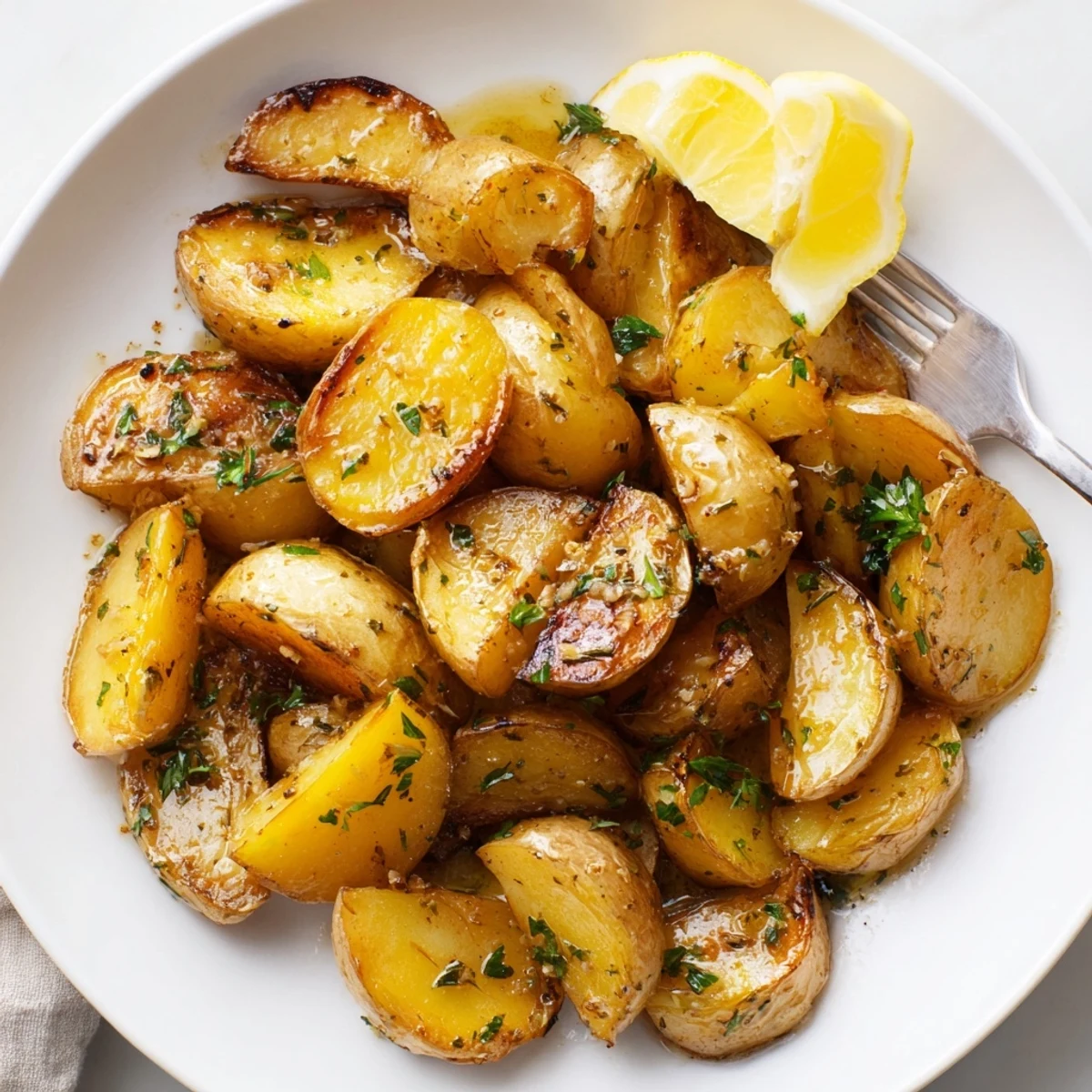
 One evening, I brought these to a casual family dinner—my cousin, skeptical about lemon on potatoes, ended up scraping every last morsel from the pan with a crunchy edge. We laughed as he admitted he'd never pictured potatoes being this lively. Now he always asks me to bring them, no matter the menu.
Making the Most of Simple Ingredients
I always thought potatoes were just a boring backdrop, but this dish has taught me simple things can be the most satisfying. That little bit of patience—waiting for the edges to brown, the last scatter of parsley—transforms the humble potato. Trust your nose; when it smells irresistible, you’re nearly there.
Herbs and Acidity: Striking a Balance
Dried oregano brings out the woodsy heartiness, but don’t be shy to play with fresh if you have it—just sprinkle it right at the end. Lemon juice is bossy here, but it never feels harsh. If you want extra zing, tuck a couple of lemon slices among the potatoes as they roast.
Troubleshooting and Little Extras
Sometimes my potatoes have stubborn pale spots; that’s usually because I didn’t toss them enough in the marinade or crowded the pan. A quick broil at the end perks them up every time, and a crumble of feta adds a savory lift nobody expects but always loves.
- If you want thin, shattering crispness, cut the wedges on the smaller side.
- For a vegan version, double-check your broth label for hidden animal products.
- Don’t forget to scrape up the herby lemon bits stuck at the bottom—they’re pure flavor.
 Save to Pinterest
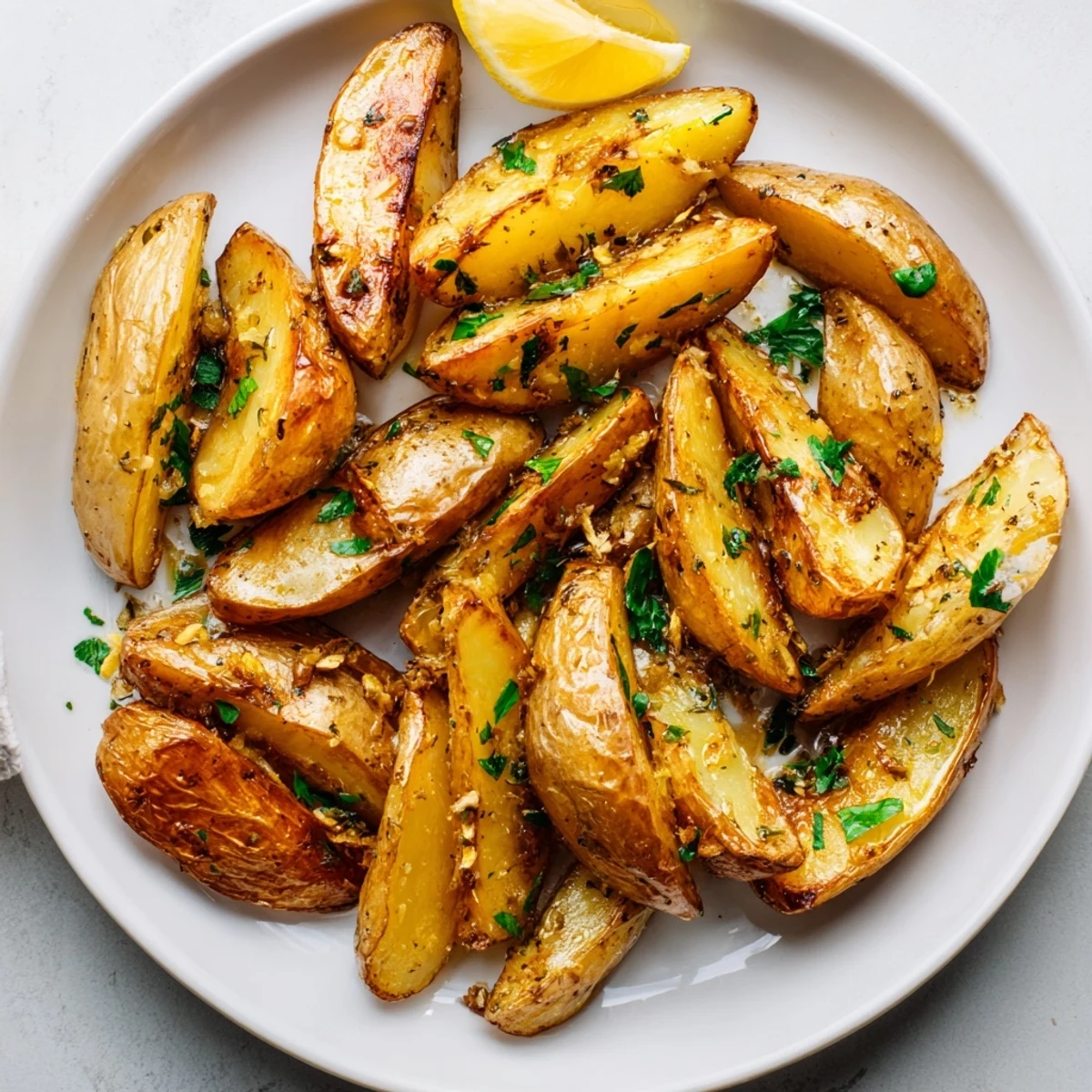
 Whether it’s for a hectic weeknight or a lazy Sunday feast, these Greek lemon potatoes always taste like a small celebration. Let them surprise you every time you make them.
Questions & Answers
- → How do I get extra-crispy edges?
-
Cut uniform wedges, roast uncovered, and spoon pan juices over the potatoes during cooking. For maximum crispness, broil 2–3 minutes at the end while watching closely.
- → Which potatoes work best?
-
Yukon Golds are ideal for their creamy interior and thin skins; they brown well and hold shape. Waxy varieties also perform nicely, while russets may break down more.
- → Can I swap the vegetable broth?
-
Yes. Use chicken broth for a meatier flavor or water with a splash of white wine for bright acidity. Adjust salt levels if using salted broths.
- → Can these be made ahead?
-
Partially roast and cool, then chill. Re-roast at 425°F until heated through and crisped before serving. Fully roasted potatoes can be reheated in a hot oven to refresh the exterior.
- → Are there garnish or serving suggestions?
-
Sprinkle chopped parsley and serve with lemon wedges. A dusting of crumbled feta or a side of grilled vegetables, roast lamb or chicken complements the citrus-herb profile.
- → Any allergen notes?
-
The dish contains no top-eight allergens when made as listed. Always check packaged broth labels for hidden allergens or cross-contact warnings.