
 Save to Pinterest
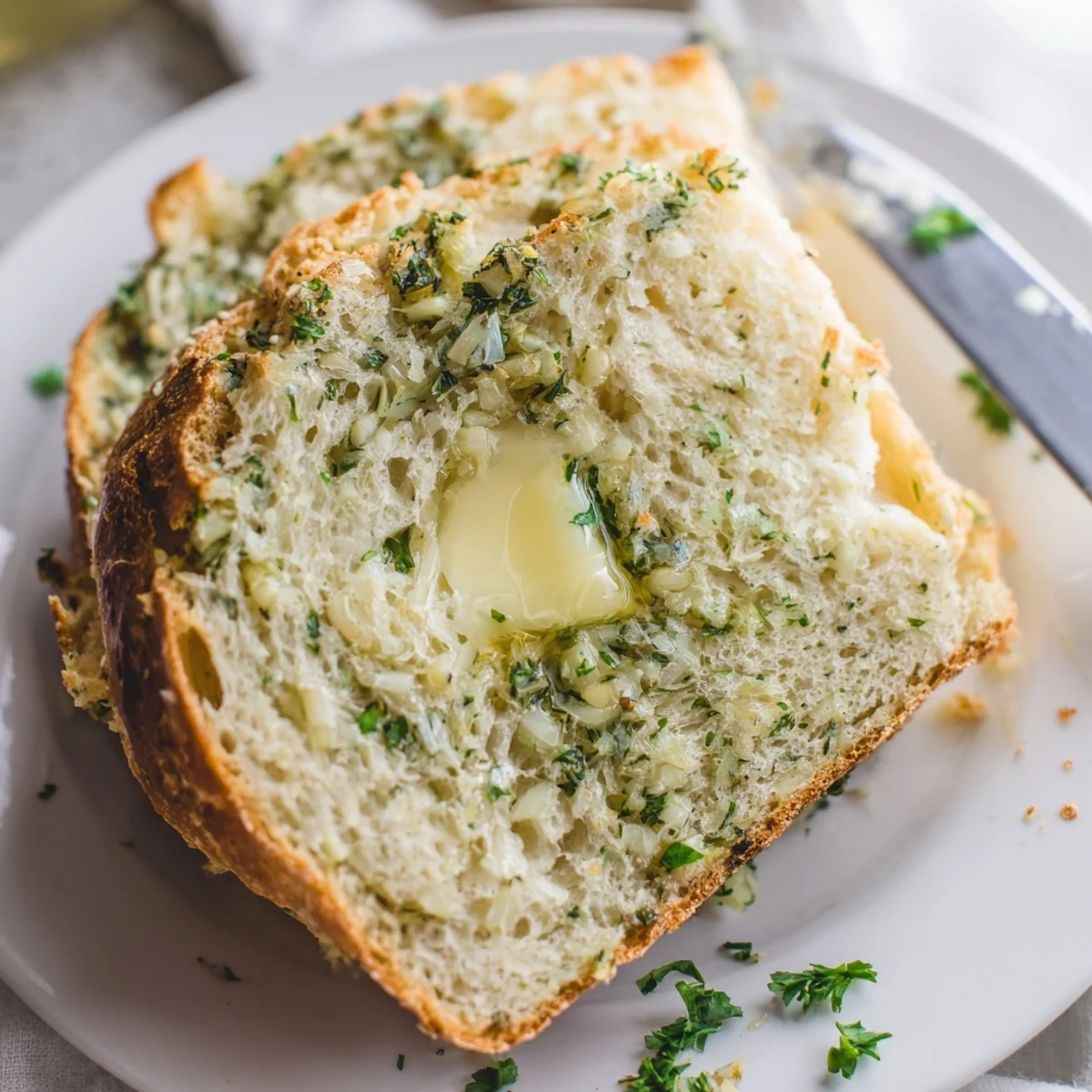
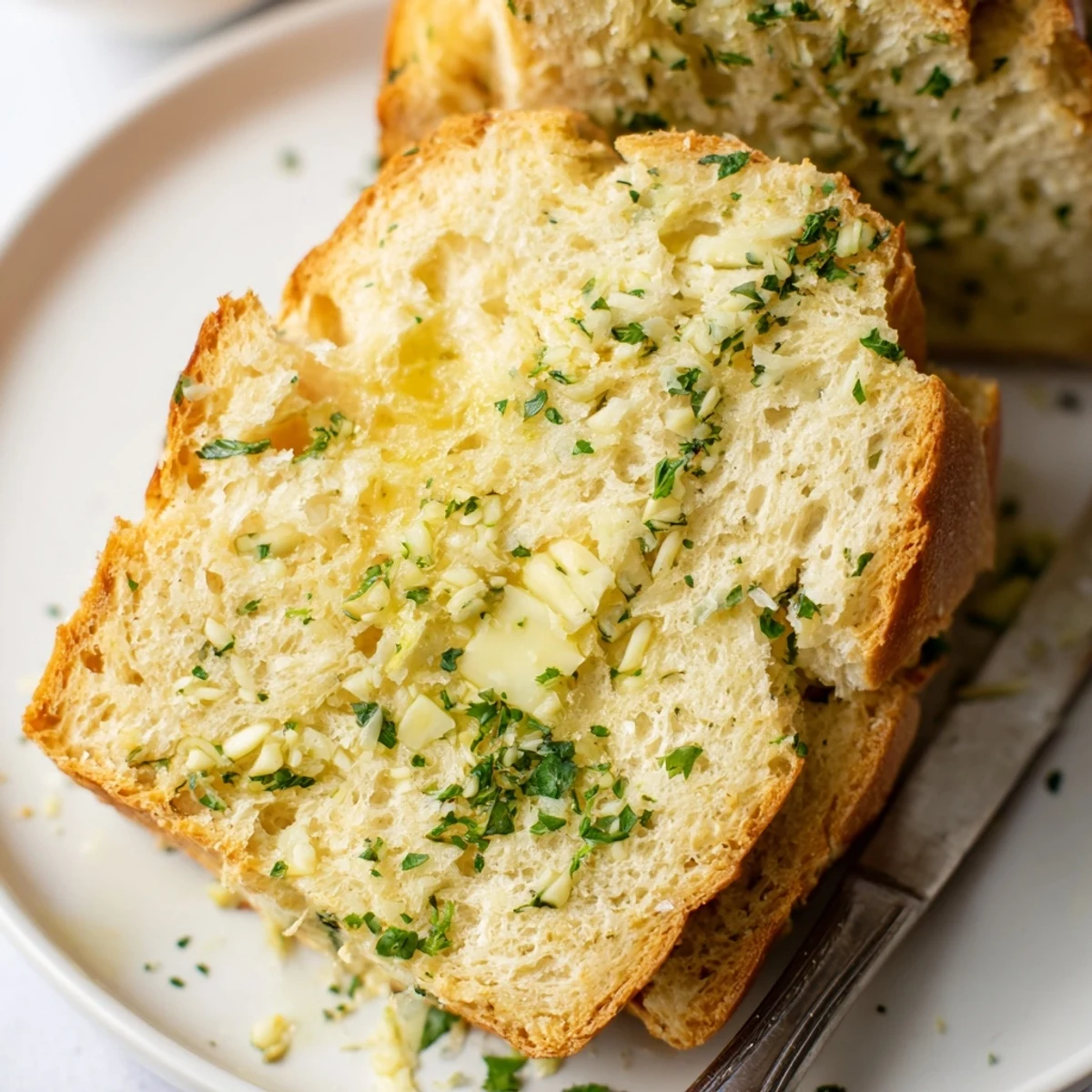
 This artisan-style bread combines the robust flavors of fresh garlic, rosemary, thyme, and parsley in a rustic loaf. Baking in a preheated Dutch oven creates professional-level results with a crackling golden crust and soft, airy interior. The dough comes together quickly with basic pantry staples, then rises for two hours to develop depth. After a brief rest, the bread bakes covered for thirty minutes before finishing uncovered to achieve that signature crust.
The smell of garlic and rosemary hitting a hot Dutch oven is something else entirely. I discovered this during a particularly snowy February when the grocery delivery was delayed and I had to get creative with pantry staples. That first pull of the crusty bread, still steaming from the oven, convinced me that emergency baking can produce the best discoveries.
My roommate walked in during the final bake and immediately abandoned her plans to order takeout. We stood in the kitchen watching the crust deepen through the oven window, tearing off pieces the moment it was cool enough to touch. Now it is the only bread she asks for whenever she visits.
Ingredients
- Bread flour: Higher protein content than all purpose gives this bread its structure and chew, worth the special trip
- Active dry yeast: Make sure your water is warm but not hot or you will kill the yeast before it can work its magic
- Garlic: Minced fresh garlic infuses the dough with mellow sweetness as it bakes
- Fresh herbs: Rosemary and thyme hold up beautifully in the heat while parsley adds brightness at the end
- Olive oil: Keeps the crumb tender and adds subtle fruitiness that balances the garlic
- Melted butter: Brushing the hot loaf with butter creates an irresistible finish and helps the garnish stick
Instructions
- Mix the dough:
- Combine flour, salt, sugar, and yeast in a large bowl. Pour in warm water and olive oil, stirring until you have a shaggy, sticky dough.
- Add the aromatics:
- Fold in minced garlic, rosemary, thyme, and parsley until evenly distributed throughout the dough.
- Let it rise:
- Cover the bowl and let it rest at room temperature for about 2 hours until the dough has doubled in size.
- Shape the loaf:
- Turn the dough onto a floured surface and gently tuck the edges underneath to form a round. Place it on parchment paper and rest for 30 minutes.
- Preheat strategically:
- Put your Dutch oven and lid in a cold oven, then heat to 450°F and let it get ripping hot for at least 30 minutes.
- Bake covered:
- Carefully lower the dough into the hot Dutch oven using the parchment paper. Score the top and cover with the lid for 30 minutes.
- Finish uncovered:
- Remove the lid and bake another 15 to 20 minutes until deeply golden. Brush with melted butter and extra parsley while warm.
 Save to Pinterest
 This bread has become my go to for housewarming gifts because nothing makes a new place feel like home faster than the smell of fresh baking. I love seeing people's faces when they realize they made something this impressive with almost no effort.
Getting The Rise Right
Room temperature matters more than you might expect. In winter I sometimes turn my oven light on and let the dough rise in there, that tiny bit of warmth makes a huge difference in timing.
Scoring Secrets
Use your sharpest knife and make a confident quick cut about half an inch deep. Hesitating will tear the dough, but a bold score lets the bread expand beautifully in the oven.
Make It Yours
This dough is incredibly forgiving and adaptable once you understand the basics. The same simple base can take on completely different personalities.
- Try swapping in grated Parmesan or aged cheddar for a savory twist
- Caramelized onions added to the dough make for incredible leftovers
- Dried herbs work in a pinch, just use one third the amount and add them earlier
 Save to Pinterest
 There is something deeply satisfying about pulling a perfect loaf from your own oven. Even failed attempts teach you something, though this recipe rarely disappoints.
Questions & Answers
- → Why use a Dutch oven for bread?
-
A Dutch oven traps steam during baking, creating a crispy, golden crust while keeping the interior tender and airy. The enclosed environment mimics professional steam-injected ovens.
- → Can I use dried herbs instead of fresh?
-
Yes, substitute 1 teaspoon of each dried herb for the fresh varieties. Dried herbs are more potent, so use smaller amounts to avoid overpowering the bread.
- → How do I know when the bread is done?
-
The crust should be deep golden brown, and the bread should sound hollow when tapped on the bottom. An instant thermometer inserted into the center should read 190-200°F.
- → Can I make this dairy-free?
-
Replace the butter brushing with additional olive oil. The dough itself contains no dairy except for the final butter coating.
- → How should I store the bread?
-
Wrap completely cooled bread in a clean kitchen towel or paper bag and store at room temperature for up to 2 days. For longer storage, slice and freeze.
- → What size Dutch oven do I need?
-
A 4 to 6 quart Dutch oven works well for this single loaf. Ensure your pot is oven-safe with a tight-fitting lid to trap steam properly.