
 Save to Pinterest
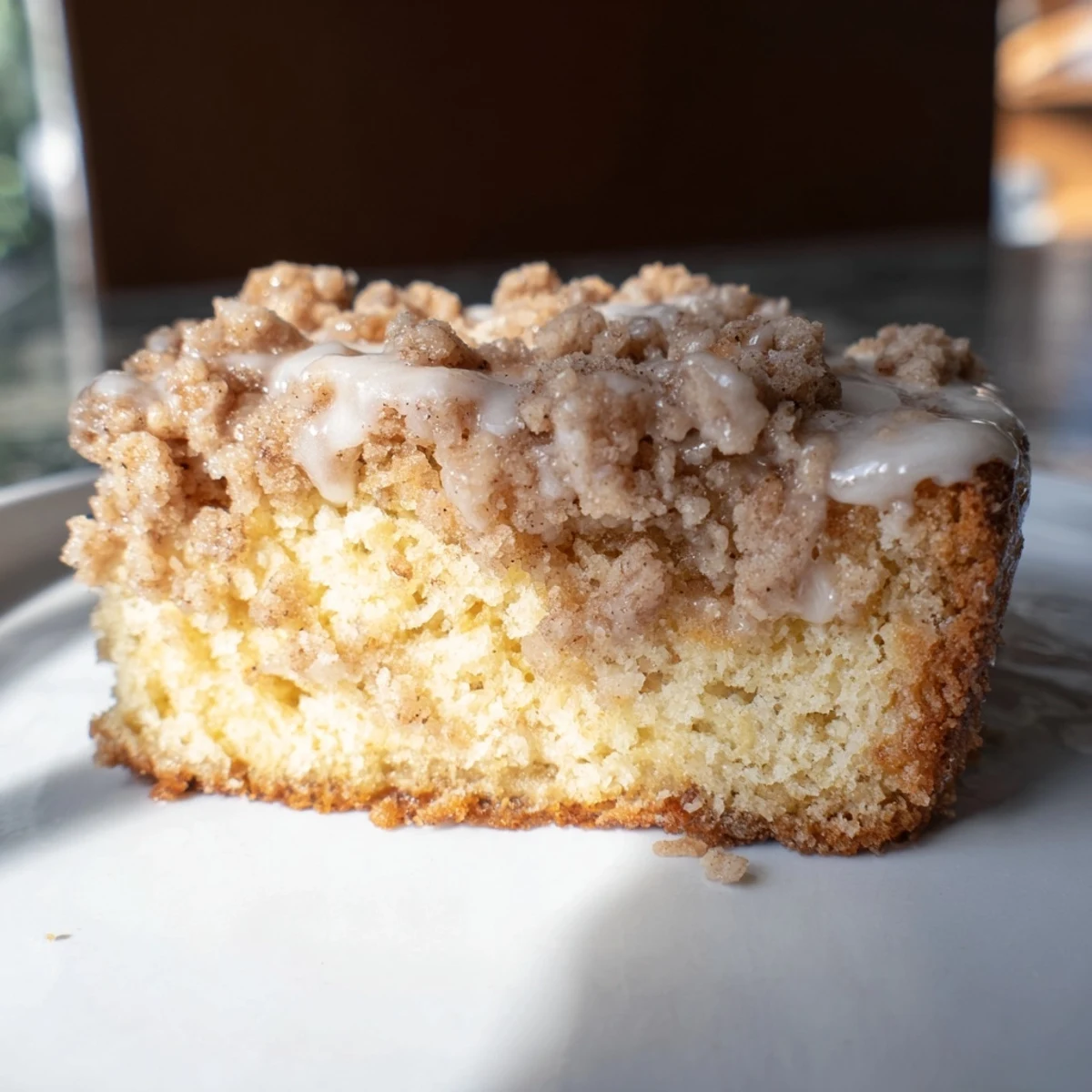
 Indulge in a moist, zesty lemon coffee cake featuring a cinnamon-spiced crumble topping and tangy lemon glaze. Perfectly balanced for breakfast or brunch, this vegetarian-friendly treat yields 8–10 servings and requires medium effort.
There's something about the smell of lemon zest hitting hot butter that makes me pause whatever I'm doing. Years ago, I was standing in my tiny kitchen on a Sunday morning, watching my neighbor through the window head out for a run, and I thought: why am I always rushing? So I pulled out a lemon, a mixing bowl, and decided to bake something that took its time. This cake—bright, tender, with that cinnamon crumble surprise in the middle—became my answer to slowing down.
I made this for my book club once, and someone asked for the recipe before even finishing a slice. That moment—when a recipe becomes something people actually want to recreate—that's when you know it's worth keeping around. The crumble layer gets crispy at the edges and almost melts into the cake toward the center, which is exactly the kind of textural surprise that makes people ask for seconds.
Ingredients
- All-purpose flour (2 cups for cake, 1/2 cup for crumble): Use the spoon-and-level method if you have a scale handy—it prevents dense, heavy results.
- Granulated sugar (1 cup) and brown sugar (1/2 cup packed): The brown sugar in the crumble adds molasses depth that reads as cinnamon-forward.
- Unsalted butter (3/4 cup total): Cold butter in the crumble, softened for creaming—the temperature difference matters more than you'd think.
- Eggs (2 large): Room temperature beats cold straight from the fridge; they incorporate more smoothly.
- Sour cream (1 cup): The acid tenderizes the crumb and keeps everything moist for days.
- Fresh lemon zest and juice (2 lemons worth): Zest before juicing—a microplane or box grater gets the oil-rich yellow without bitter white pith.
- Baking powder and baking soda (1 1/2 tsp and 1/2 tsp): Don't skip the soda; it reacts with the sour cream's acidity to lift the cake.
- Ground cinnamon (1 1/2 tsp for crumble): Taste it first—some brands are spicier than others, and you can adjust to preference.
- Vanilla extract (1 tsp): A tiny anchor that lets the lemon shine without tasting like pure citrus.
- Powdered sugar and fresh lemon juice for glaze: Whisk until it drips slowly from a spoon—too thick and it sits; too thin and it runs off.
Instructions
- Set your stage:
- Preheat to 350°F and grease your 9-inch pan with a light hand—a thin coat of butter or oil plus a flour dust is the way. You want it nonstick without being slick.
- Build the crumble:
- Toss flour, brown sugar, cinnamon, and salt in a bowl, then work in cold butter with your fingertips until it looks like breadcrumbs with pea-sized lumps. The cold butter matters—it stays separate and creates texture. Pop it in the fridge while you work on the cake.
- Cream the base:
- Butter and sugar go into a large bowl. Beat for 2–3 minutes until it's pale, fluffy, and looks like wet sand. This incorporates air that helps the cake rise.
- Add the eggs:
- Drop in one egg, beat until fully mixed before the next one goes in. This prevents curdling and keeps the batter smooth.
- Fold in the brightness:
- Stir in lemon zest, lemon juice, and vanilla. The mixture might look slightly broken—that's normal. The sour cream will bring it back together.
- Combine dry ingredients:
- In a separate bowl, whisk flour, baking powder, baking soda, and salt. Whisking aerates the flour and distributes the leavening evenly.
- Alternate and fold:
- Add one-third of the dry mix to the wet ingredients, stir gently. Then add one-third of the sour cream, stir. Repeat until everything is combined. Stop stirring once you don't see white streaks—overmixing toughens the crumb.
- Layer and crumble:
- Spread half the batter into the pan. Scatter half the crumble over it. Pour the remaining batter on top, smooth gently, then finish with the rest of the crumble. Don't press down—let it sit loose on the surface.
- Bake:
- Slide into the oven for 40–45 minutes. You're looking for a toothpick inserted in the center to come out with just a few moist crumbs, not wet batter. The crumble should be golden and smell irresistible.
- Cool and finish:
- Let it rest in the pan for 20 minutes—this firms up the structure so it won't fall apart when you turn it out. Transfer to a wire rack to cool completely. Once it's cool, whisk powdered sugar with lemon juice until it's a thin drizzle consistency, then pour it over the top.
 Save to Pinterest
 The first person to taste this cake was my mother, and she took a bite, closed her eyes, and said nothing for a solid ten seconds. Then she asked if I'd made it from scratch—something about the texture and brightness told her it wasn't from a box. That quiet moment of recognition meant more than any compliment ever could.
The Secret of the Crumble Layer
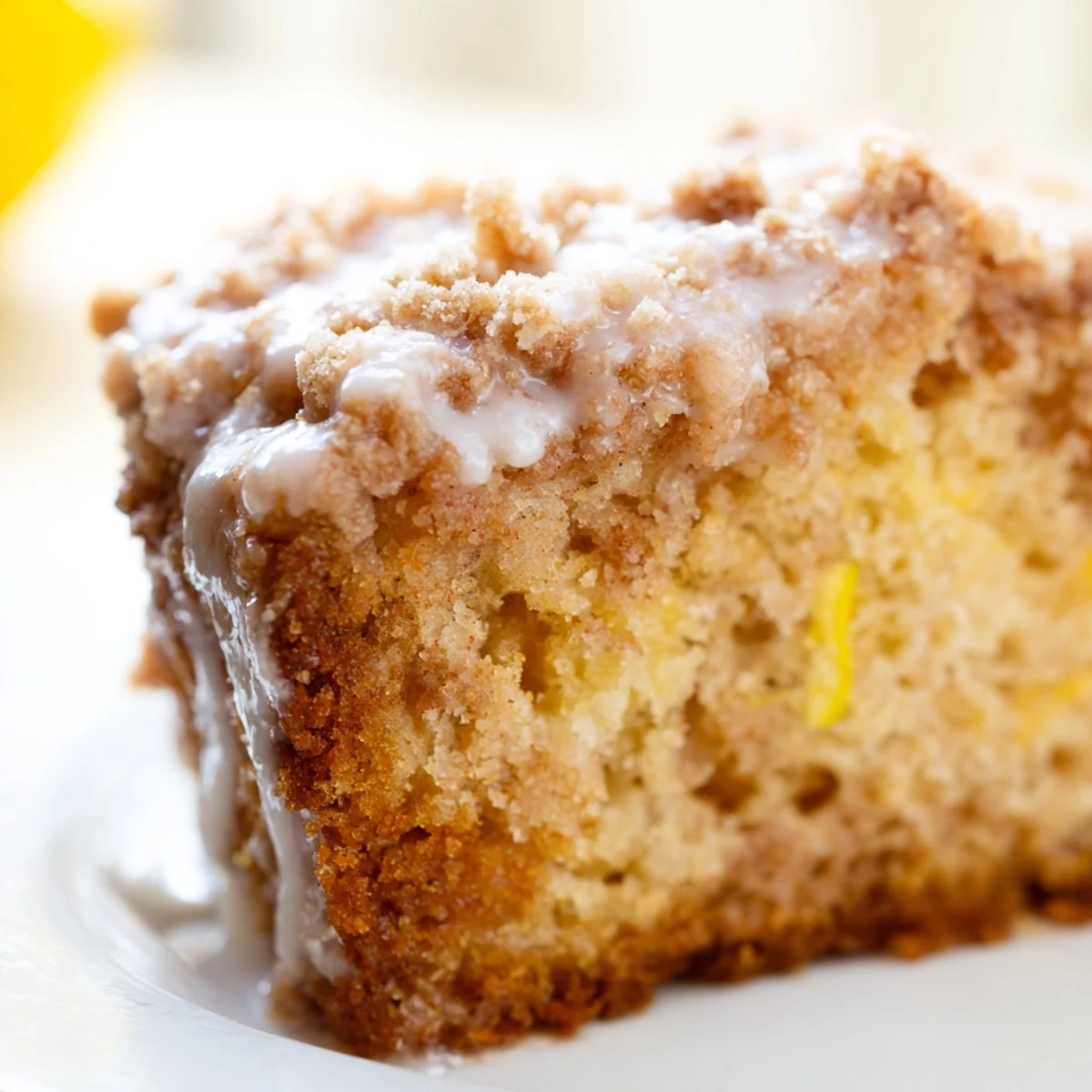
The crumble isn't just a topping; it's insurance against a dry cake. Because you're using sour cream and lemon juice, the batter leans tangy and tender, but the butter-sugar crumble creates little islands of richness throughout. As the cake bakes, the crumble partially melts into the surrounding cake while staying crispy at the edges, creating a texture you can't fake any other way. Some of my experiments with all-crumble topping or no crumble at all taught me this: the layering method is the one that works.
Lemon, Done Right
Fresh lemon is non-negotiable here. Bottled juice tastes tinny and flat, and the cake needs that bright pop to balance the richness of butter and eggs. Zesting should come first, before you cut and juice, because a lemon that's been cut in half is harder to zest cleanly. A microplane grater gives you the yellow oils without the bitter white pith that lurks just underneath. If you use a box grater, take extra care and taste a tiny bit of zest—if it's bitter, you've gone too deep.
Make It Your Own
This cake is a wonderful canvas for small changes that feel entirely personal. Toast some walnuts or pecans and fold them into the crumble for crunch, or stir in poppy seeds to the batter for a more assertive texture. Some mornings, I've served it with fresh berries on the side, and other times I've just let the lemon and cinnamon speak for themselves.
- Swap Greek yogurt for sour cream in a one-to-one ratio for a slightly tangier crumb and thinner texture.
- Add a quarter-teaspoon of nutmeg to the crumble if you like that warm spice vibe.
- Store covered at room temperature for two days, or refrigerate for up to four—it softens slightly the next day, which is honestly when it tastes best.
 Save to Pinterest
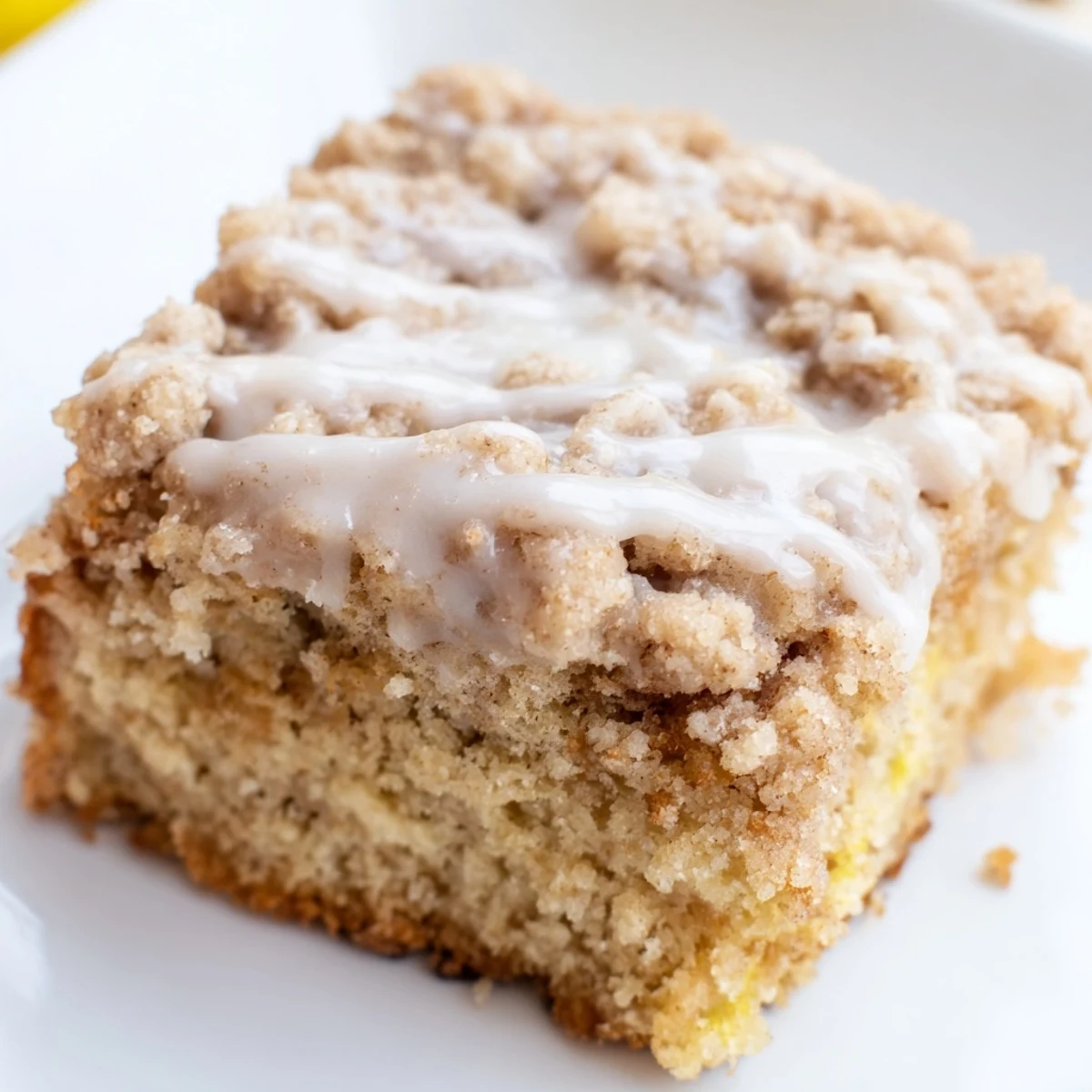
 This cake has a way of making ordinary mornings feel less ordinary. Slice it while it's still slightly warm, pour a cup of coffee, and take five minutes that are entirely yours.
Questions & Answers
- → What makes this coffee cake moist?
-
Sour cream and fresh lemon juice ensure a moist, tender crumb.
- → Can I add nuts to the crumble?
-
Yes, add chopped walnuts or pecans for extra crunch.
- → Is this cake suitable for breakfast?
-
Absolutely! Its balanced sweetness and citrus notes make it perfect for breakfast or brunch.
- → How should I store leftovers?
-
Store in an airtight container at room temperature for up to 3 days.
- → Can I substitute sour cream?
-
Yes, Greek yogurt can replace sour cream for similar texture and tang.