 Save to Pinterest
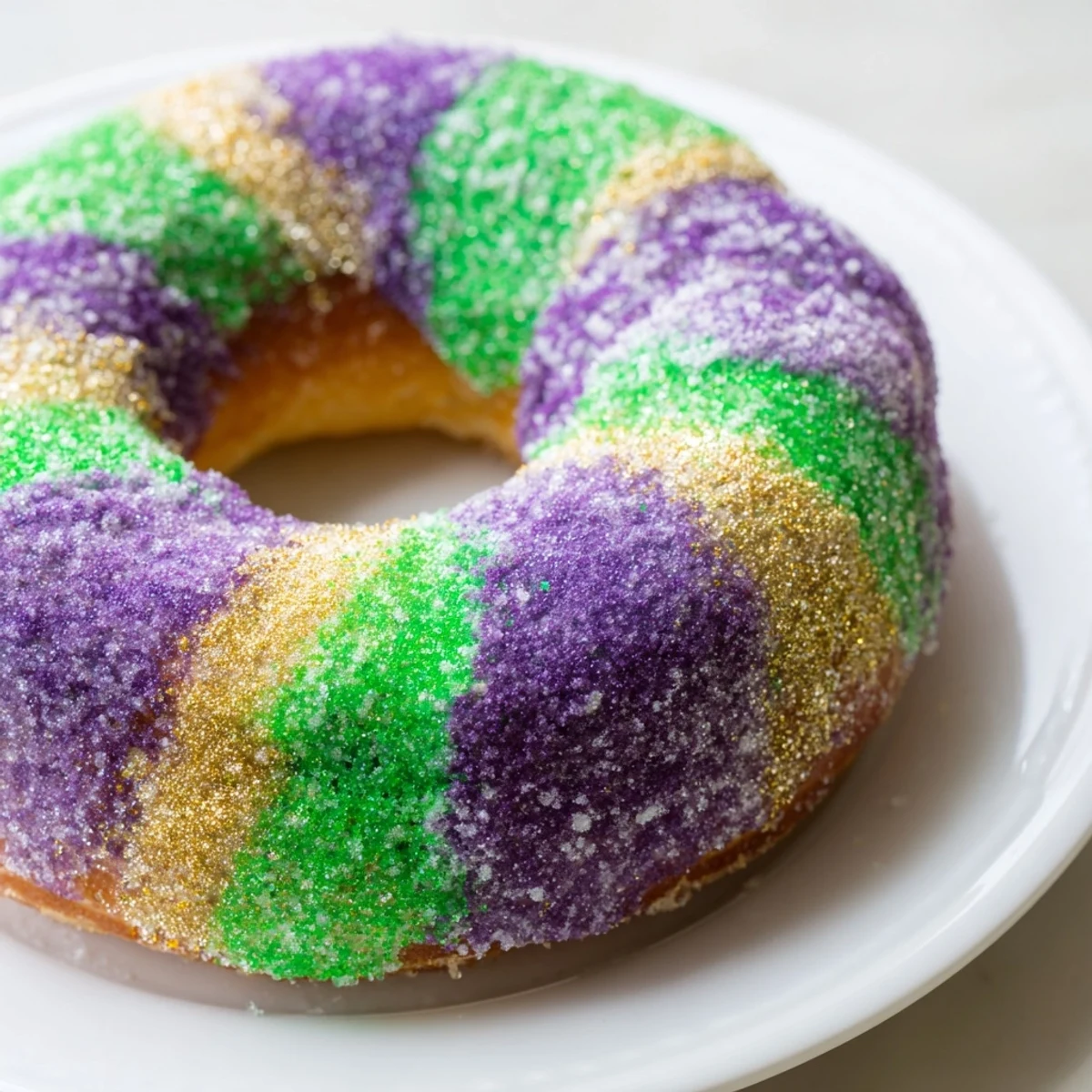
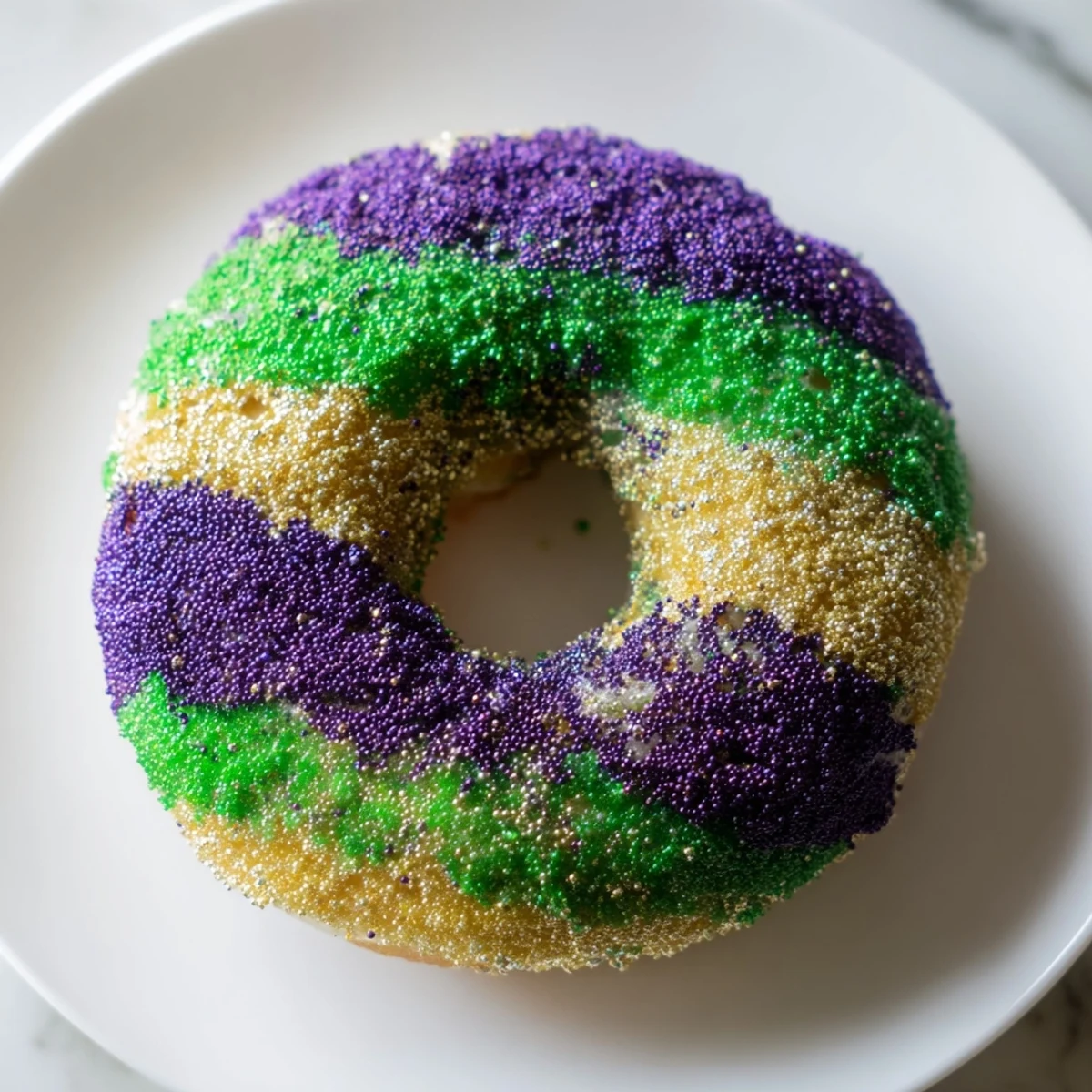
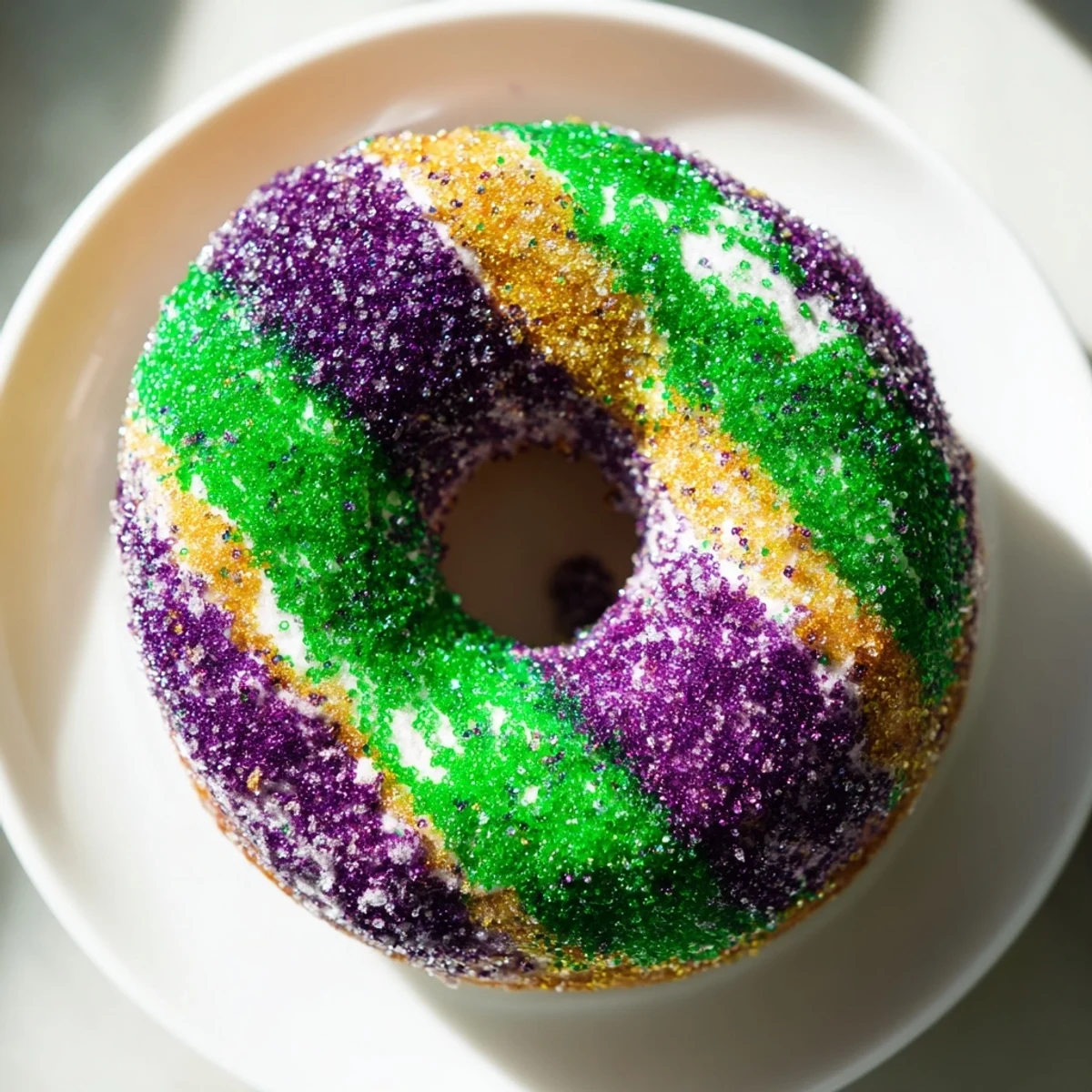
 These fluffy yeast donuts showcase a festive touch with vibrant colored sugar in classic Mardi Gras hues: purple, green, and gold. Made from a soft, elastic dough that rises twice, they are fried golden and coated with buttery, tinted sugar for an eye-catching finish. Ideal for celebrations, the donuts pair wonderfully with a cup of chicory coffee or your favorite jam filling. Preparing the colorful sugar and careful frying ensure the perfect balance of texture and flavor.
The first time I made these donuts, my kitchen looked like a rainbow had exploded everywhere. I was hosting a Fat Tuesday party and decided last minute that store bought pastries would not do. My roommate walked in to find me with purple stained fingers and green sugar dusted across my cheeks, grinning like I had discovered gold. Those donuts disappeared faster than anything else I made that night.
My grandmother always said that celebrations require something sweet and something fried. These donuts became my go to for Mardi Gras after a particularly gray February when everyone needed cheering up. Now the smell of frying dough immediately makes my friends ask what holiday we are celebrating, even when it is just a regular Tuesday.
Ingredients
- All purpose flour: The structure of your donuts depends on this protein content, so do not substitute with cake flour or your dough will be too tender
- Active dry yeast: Make sure your water is not too hot or you will kill the yeast before it can work its magic
- Whole milk: The fat content here creates a richer dough than water would, giving you that tender bakery style crumb
- Unsalted butter: Having this at room temperature makes all the difference in how evenly it incorporates into your dough
- Granulated sugar: This feeds the yeast and adds just enough sweetness without making the dough cloying
- Eggs: Room temperature eggs blend better into the dough and help with structure and richness
- Vanilla extract: Pure extract matters here since the flavor comes through even after frying
- Vegetable oil: You need enough depth to properly fry without crowding the pot
- Food coloring: Gel colors work better than liquid for sugar coating since they will not make it clump
Instructions
- Wake up the yeast:
- Stir the yeast into your lukewarm milk and give it about 5 minutes to get foamy and happy
- Mix the dough:
- Whisk your dry ingredients together then add the eggs, butter, vanilla, and that bubbly yeast mixture until a sticky dough forms
- Knead it out:
- Work the dough on a floured surface for 8 to 10 minutes until it feels smooth and bounces back when you poke it
- First rise:
- Place the dough in a greased bowl, cover it up, and let it double in size in a warm corner of your kitchen
- Shape the donuts:
- Roll the dough to half inch thickness and cut out your donuts and holes using whatever round cutters you have
- Second rise:
- Let your shaped donuts rest for another 30 minutes until they look puffy and pillowy
- Color the sugar:
- Divide your sugar into three bowls and work in food coloring with your fingers until each bowl is evenly purple, green, and gold
- Fry time:
- Heat your oil to 350 degrees and fry the donuts for 1 to 2 minutes per side until they are gorgeously golden brown
- Sugar coating:
- Brush each warm donut with melted butter and press them into the colored sugar, creating bands of festive colors
 Save to Pinterest
 Last year my nephew helped me make these and took his job as official sugar dipper very seriously. He arranged them on a platter with such pride and told everyone they were made with magic hands. That is exactly what cooking for people should feel like.
Getting The Rise Right
Yeast dough can feel intimidating but it is actually quite forgiving if you pay attention to texture. Your dough should feel tacky but not impossibly sticky, and it should smooth out as you knead. The windowpane test, where you stretch a small piece of dough until it is thin enough to see light through, tells you when you have kneaded enough.
Frying Like A Pro
Keeping your oil at the right temperature is the secret to perfectly cooked donuts. I use a kitchen thermometer and adjust my heat as needed, moving the pot on and off the burner. Crowding the pan drops the temperature too fast, so fry in small batches and resist the urge to speed things up.
Making The Colors Pop
The colored sugar coating is what makes these donuts so festive and special. Work the food coloring into the sugar with clean fingers until every granule is evenly colored. I like to do one color at a time so the bowls do not get mixed up.
- Pour the colored sugars onto small plates for easier dipping
- Apply the sugar while donuts are still slightly warm for better adhesion
- Stack them on a wire rack so the sugar does not get smushed
 Save to Pinterest
 These donuts are best eaten the day they are made, ideally while still slightly warm with a cup of coffee. Something about the combination of warm dough and crunchy sugar makes people slow down and enjoy the moment.
Questions & Answers
- → What type of yeast is best for these donuts?
-
Active dry yeast works well, as it helps the dough rise to a light, fluffy texture essential for these donuts.
- → How do you achieve the vibrant Mardi Gras colors on the sugar?
-
Add food coloring drops to separate sugar portions, then rub with fingers until evenly tinted for bright, festive hues.
- → What oil temperature is ideal for frying?
-
Heat vegetable oil to 350°F (175°C) to ensure donuts cook evenly and become golden without absorbing excess oil.
- → Can these donuts be filled before topping?
-
Yes, adding jam or custard fillings before applying colored sugar adds extra flavor and richness.
- → How long should the dough rise for best results?
-
Allow the dough to rise in a warm spot until doubled in size, approximately 1 hour, then again after shaping for around 30 minutes.