
 Save to Pinterest
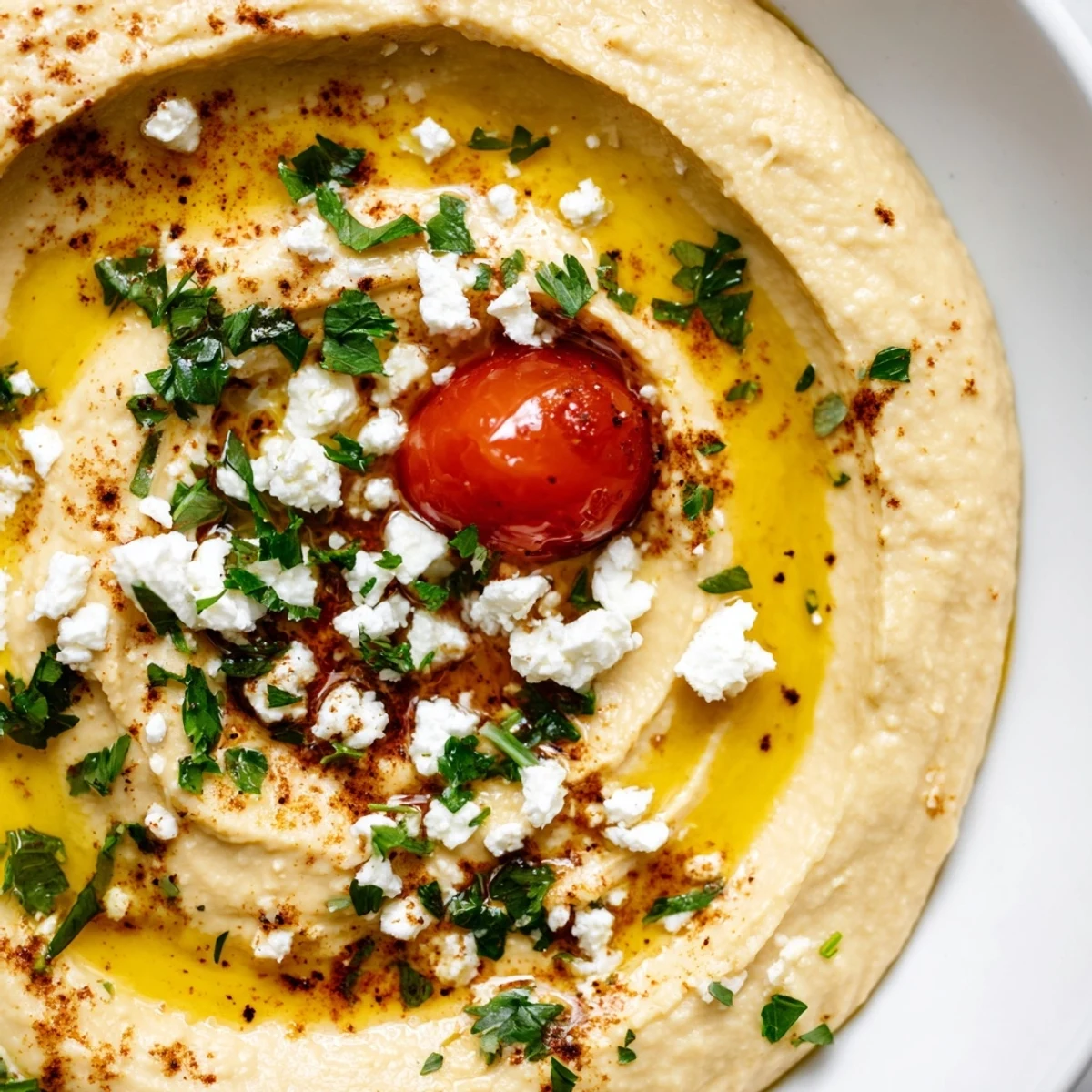
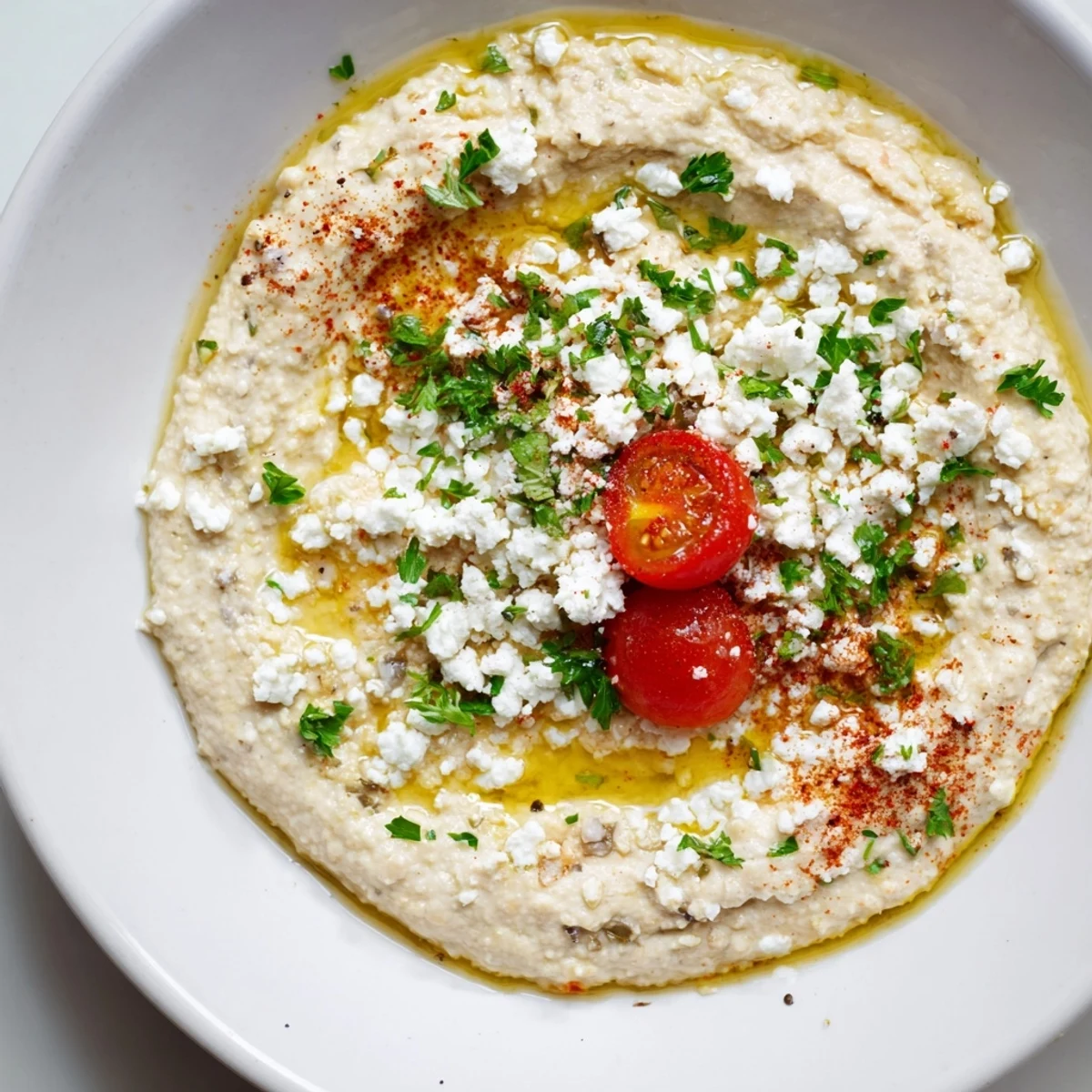
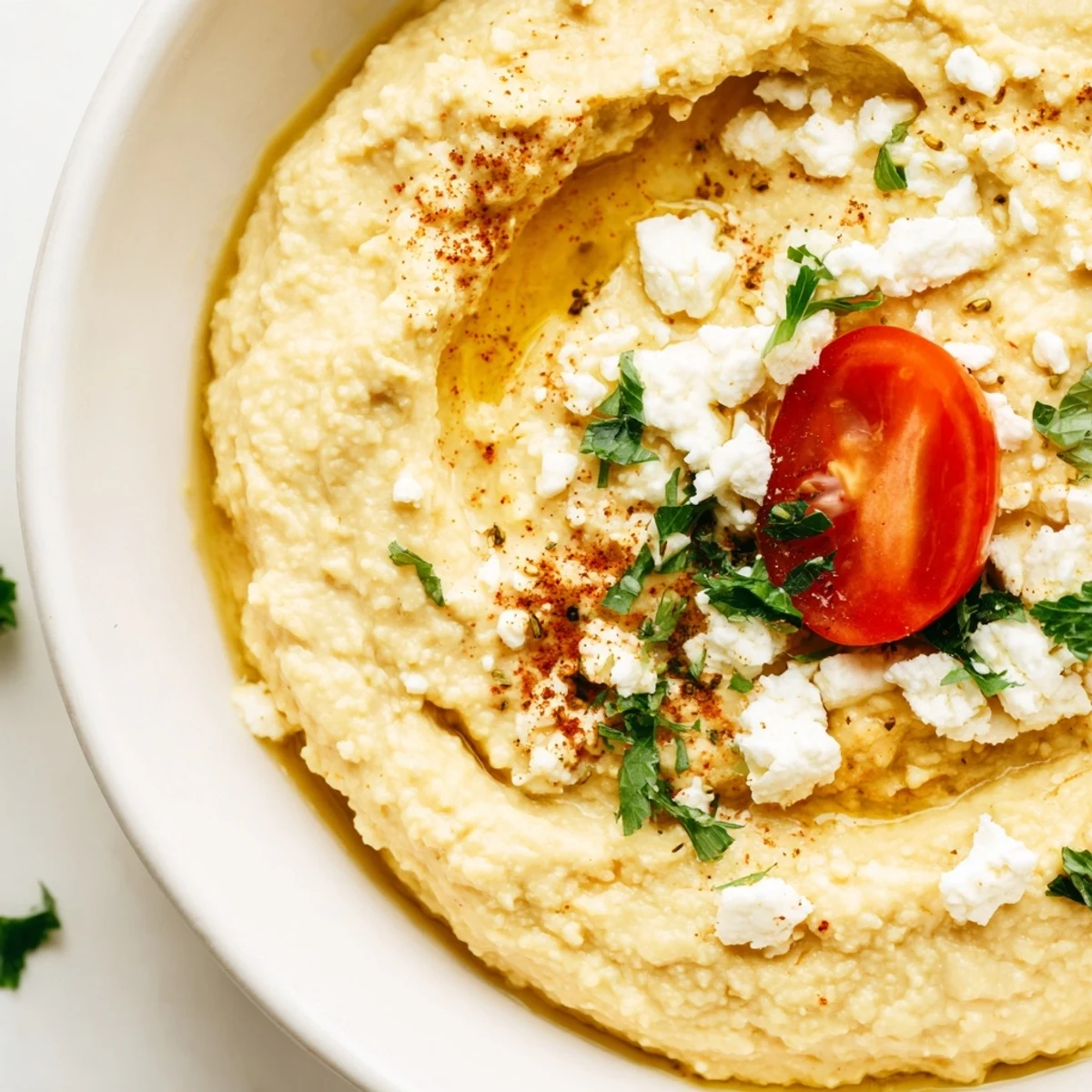
 Layer crisp mixed greens as a base, followed by a generous scoop of creamy hummus. Arrange fresh vegetables like diced cucumber, cherry tomatoes, red onion, and kalamata olives around the hummus. Scatter chickpeas and crumbled feta over the top for texture and richness. Finish with a drizzle of lemon-olive oil dressing, a sprinkle of fresh parsley, and sumac. Serve immediately with warm whole wheat pita for scooping.
There's something magical about assembling a bowl rather than plating a meal—it feels less like cooking and more like building something meant to nourish. I discovered this the hard way one summer afternoon when I was too tired to cook anything elaborate, so I simply gathered what was in my fridge: creamy hummus, bright vegetables, salty olives, and crumbled feta. My family devoured it faster than I could set down the bowls, and I realized I'd stumbled onto something that tastes like vacation feels.
I made this for a dinner party where someone last-minute announced they'd gone vegetarian, and instead of panicking, I built four of these bowls and everyone—including the committed carnivores—asked for seconds. That's when I stopped thinking of it as a side or a light lunch and started treating it with the respect of a proper main dish.
Ingredients
- Hummus: The creamy foundation that holds everything together—use store-bought to save time, or make your own if you love the slightly bitter tang of freshly roasted chickpeas.
- Cherry tomatoes: Their sweetness cuts through the richness of hummus and feta, creating balance in every spoonful.
- Cucumber: The cooling element that keeps this bowl from feeling heavy, even on warm days.
- Red onion: Slice it thin and it softens slightly as it sits, becoming sweet rather than harsh.
- Kalamata olives: Worth buying good ones—the briny depth makes the whole bowl taste more intentional.
- Mixed greens: Layer them as your base so they catch the dressing and stay tender rather than wilting under the hummus weight.
- Feta cheese: Crumble it just before serving so the edges stay crisp and the flavor punches through.
- Chickpeas: Rinsed canned ones are perfectly fine; I've learned they add protein and a slight nuttiness that makes this genuinely filling.
- Whole wheat pita: Warming it changes everything—it becomes pillowy instead of cardboard, and almost tastes fresh-baked.
- Extra-virgin olive oil: Don't skimp here; this is where half your flavor lives.
- Fresh lemon juice: The acid wakes up all the other ingredients and prevents everything from tasting muddy.
- Fresh parsley: A small handful scattered on top adds color and a fresh herbal note that feels like you tried.
- Ground sumac: Optional but worth keeping on hand—it adds a subtle tartness that makes people ask what the secret ingredient is.
Instructions
- Make the dressing while everything else waits:
- Whisk olive oil, lemon juice, salt, and pepper together in a small bowl—this takes 30 seconds and is the backbone of the whole dish. A tiny bit of salt in the dressing intensifies everything it touches, so don't skip tasting and adjusting.
- Warm your pita with intention:
- Heat each pita in a dry skillet for about one minute per side, or pop them all in a toaster oven for three minutes—you want them soft and pliable enough to scoop without tearing. The warmth also releases their smell, which becomes part of the eating experience.
- Build from the greens up:
- Divide mixed greens evenly among four bowls, creating a slight nest—this gives the hummus somewhere to settle without sliding around. The greens also act as a cushion that keeps the vegetables from getting soggy too quickly.
- Spoon hummus like you mean it:
- Add a generous dollop to each bowl and use the back of your spoon to create a small well in the center—it's both practical and pretty. This little well is where the dressing pools and where you'll dip your pita.
- Arrange the vegetables with no real system:
- Scatter tomatoes, cucumber, red onion, olives, chickpeas, and feta over the hummus—it doesn't need to look perfect. The slightly chaotic arrangement actually makes it look more appetizing and homemade than anything too neat ever could.
- Finish with dressing and green:
- Drizzle the prepared dressing over the whole bowl and finish with a small handful of parsley and a pinch of sumac if you have it. The final step is what makes people lean in and take the first bite.
 Save to Pinterest
 My partner once said while eating this that it tasted like Mediterranean sunshine in a bowl, which I rolled my eyes at until I realized I was using the exact same description to recommend it to friends. There's something about the combination of fresh, briny, creamy, and warm that stops being just lunch and becomes a small moment of happiness.
Why This Bowl Works as a Main Dish
It's the combination of protein from chickpeas and feta, healthy fats from hummus and olive oil, and actual vegetables that make this substantial enough to be your entire meal. The warm pita adds carbohydrates and that crucial textural element that transforms separate ingredients into something that feels like a proper dinner. I've learned that a bowl is satisfying only if it has texture contrast and at least three different temperatures happening at once—creamy cool hummus, warm pita, crisp vegetables—and this nails all three.
Building Your Own Variations
The structure of this bowl is really a template, which is partly why I make it so often. I've added roasted red peppers in fall, artichoke hearts when I want earthiness, crispy chickpeas when I want extra crunch, or grilled chicken when someone in the house needs more protein. Summer mornings I add a soft-boiled egg; winter evenings I sometimes toss in roasted cauliflower or beets. The hummus stays constant, the greens stay constant, and everything else is whatever your kitchen and mood suggest that day.
Pairing and Serving Thoughts
Serve this straight away while the pita is still warm—that's the window where everything sings together. If you're making this for guests, you can prep all the vegetables hours ahead and assemble just before eating, which means you're actually relaxing when people arrive instead of stress-chopping in your kitchen.
- Pour a crisp white wine like Sauvignon Blanc, or skip alcohol entirely and steep fresh mint in cold water for something equally refreshing.
- Leftovers actually improve slightly if the components sit separately in the fridge and you reassemble them the next day—the greens don't get soggy this way.
- If feta isn't your thing, use a goat cheese crumble, or skip it entirely and let the hummus be the creamy element.
 Save to Pinterest
 This bowl is proof that the most satisfying meals don't require complexity, just fresh ingredients treated with a little care and served warm. Make it once and you'll understand why it became the thing I make when I want to feel nourished without exhaustion.
Questions & Answers
- → How is the bowl assembled?
-
Arrange mixed greens in a bowl, spoon hummus into the center, and top with tomatoes, cucumber, onion, olives, chickpeas, and feta.
- → Can I prepare the vegetables ahead?
-
Yes, you can dice the cucumbers, slice the onions, and halve the tomatoes and olives a few hours in advance to save time.
- → What is the best way to warm pita?
-
Warm the pita bread in a dry skillet over medium heat for a few seconds on each side or use a toaster oven until soft.
- → Is there a vegan option?
-
Simply omit the crumbled feta cheese or replace it with a plant-based alternative to make this dish completely vegan.
- → What dressing is used?
-
A simple dressing is made by whisking together extra-virgin olive oil, fresh lemon juice, salt, and pepper.
- → Can I add extra protein?
-
Grilled chicken or falafel pairs excellently with these flavors if you want to increase the protein content.