
 Save to Pinterest
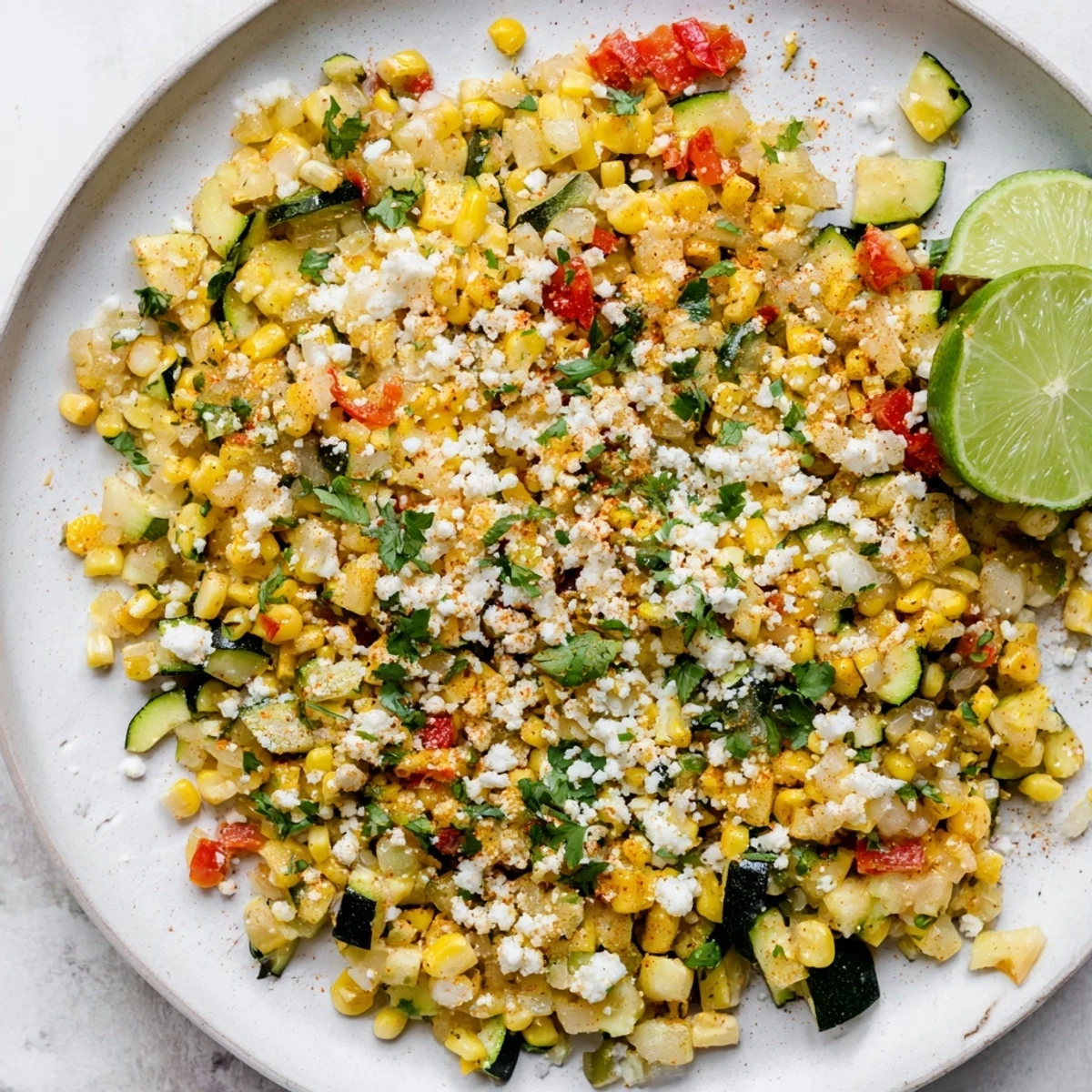
 This classic Mexican vegetable medley combines tender cubes of zucchini with sweet corn kernels, diced tomatoes, and mild poblano peppers. The vegetables are sautéed until just tender, then seasoned with aromatic cumin and oregano. Fresh cilantro and crumbled queso fresco are stirred in at the end, adding bright herbal notes and creamy richness. The dish comes together in just 35 minutes and serves four generously.
Calabacitas works beautifully as a vegetarian main or served alongside grilled meats. The natural sweetness of the corn balances the mild zucchini, while the melted cheese creates a satisfying finish. Adjust the heat by adding jalapeño, or keep it family-friendly with just the poblano pepper.
The first time I encountered calabacitas was at my abuela's tiny kitchen in Guadalajara, where she'd stand over a well-worn comal, singing along to radio boleros while everything smelled of charred peppers and warming tortillas. I was eight years old and completely fascinated by how she could transform a few humble vegetables into something that made the whole family rush to the table. That memory of steam rising from the skillet, the sound of sizzling vegetables hitting hot oil, and her laugh when I'd try to steal corn kernels straight from the pan—that's what this dish means to me.
Last summer, I made a huge batch for my friend Maria's birthday dinner, forgetting she'd invited twice as many people as she'd told me about. Everyone ended up crowded around the serving dish, spooning it onto tortillas and fighting over the last bits of melted cheese, and honestly, that spontaneous feast turned into one of those nights where nobody wanted to leave. Now whenever I smell zucchini hitting hot oil, I'm right back there, wine glasses clinking and someone's abuelo trying to teach me the proper way to warm tortillas.
Ingredients
- Fresh zucchini: The real star here, and dont be afraid to buy them on the smaller side—they hold their texture better and have more flavor than those baseball bat sized ones that show up late in the season
- Fresh corn kernels: If you can get them right off the cob during summer months, the difference is incredible, though frozen works perfectly fine when corn isnt at its peak sweetness
- Yellow onion: This creates the aromatic foundation that everything else builds on, so take your time letting it soften properly in the oil
- Tomato: Adds just enough acidity and moisture to bind everything together without making the dish soupy
- Poblano pepper: Brings this gentle heat that builds slowly rather than hitting you all at once, and if you can find them, roasting and peeling them first adds another layer of flavor
- Garlic: Fresh minced garlic here is non negotiable, and dont let it burn or it will turn bitter and ruin the whole balance
- Fresh cilantro: This adds brightness at the end that cuts through the richness, and I always chop stems and all since they pack so much flavor
- Queso fresco: The creamy, salty element that ties everything together, though Monterey Jack melts beautifully if you want something more gooey
- Olive oil: You want enough fat to properly sauté everything without drowning the vegetables in grease
- Ground cumin: This earthiness is what makes it taste authentically Mexican, and I toast it briefly in a dry pan before adding to really wake up those oils
- Dried oregano: Mexican oregano has a different flavor profile than the Mediterranean variety, with more citrusy notes that work perfectly here
- Salt and black pepper: Season as you go, tasting at each stage, because you cannot fix underseasoning at the end
- Jalapeño: Totally optional, but if you like heat, leave some of the membrane in when you chop it
- Lime wedges: That final squeeze of acid right before serving makes all the flavors pop like nobody's business
Instructions
- Warm the oil and soften the aromatics:
- Heat your olive oil in a large skillet over medium heat until it shimmers, then add your diced onion and poblano pepper. Let them cook for about 3 to 4 minutes, stirring occasionally, until the onion turns translucent and the pepper softens considerably.
- Add the garlic:
- Stir in your minced garlic and cook for just 30 seconds until you can really smell it—any longer and it might burn and turn bitter, which nobody wants.
- Build the vegetable base:
- Add the zucchini, corn, diced tomato, cumin, and oregano all at once, then season generously with salt and pepper. Give everything a good stir to distribute the spices evenly.
- Cook to perfect tenderness:
- Let everything cook, stirring occasionally to prevent sticking, for about 8 to 10 minutes. You want the zucchini tender but still holding its shape, definitely not mushy or falling apart.
- Finish with cheese and herbs:
- Remove the pan from heat and stir in half your cheese along with the chopped cilantro. The residual heat will melt the cheese slightly while keeping the texture creamy.
- Season and serve:
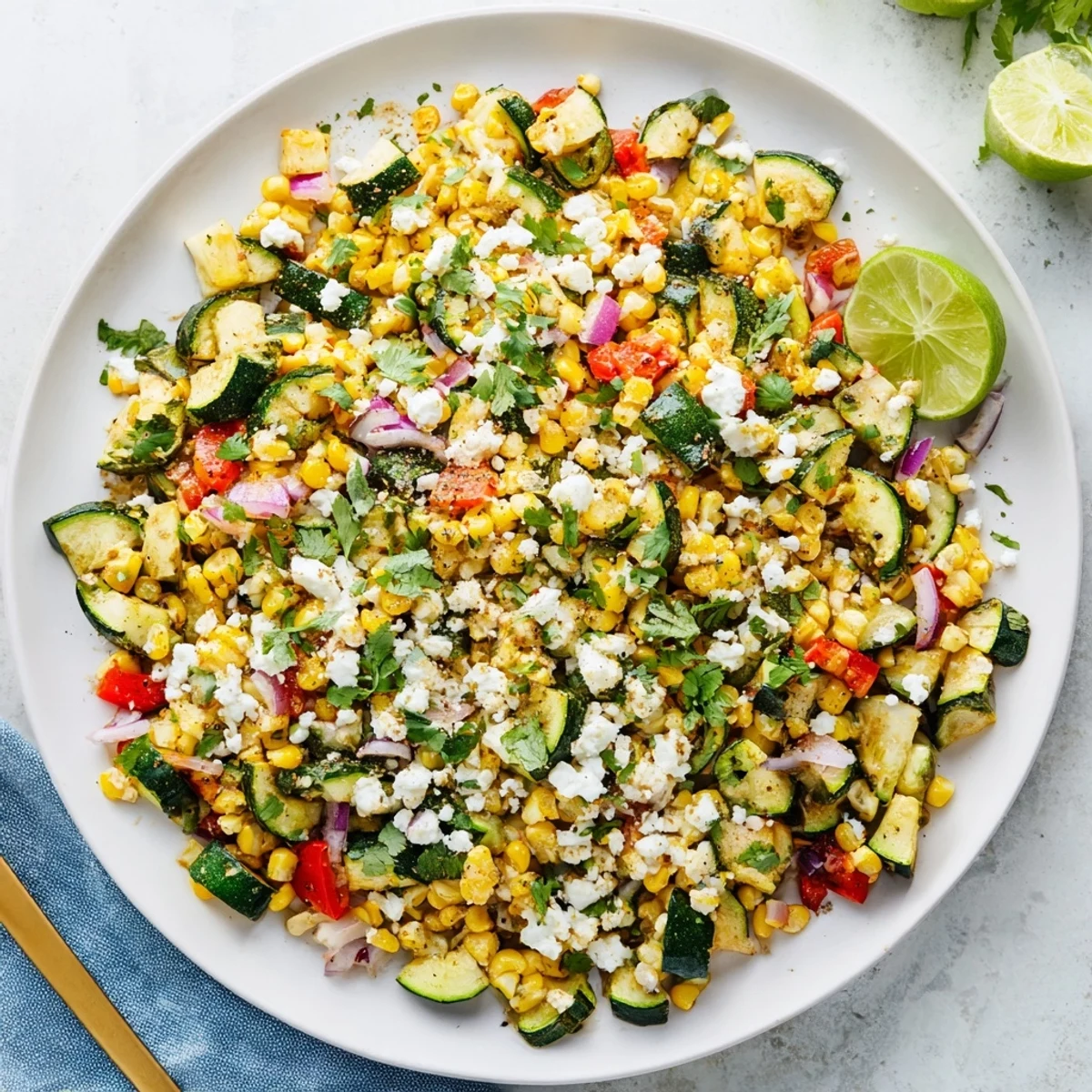
- Taste your calabacitas and adjust the salt and pepper if needed, then transfer to a serving dish. Top with the remaining cheese and extra cilantro, serving with lime wedges on the side so everyone can add their own squeeze of brightness.
 Save to Pinterest
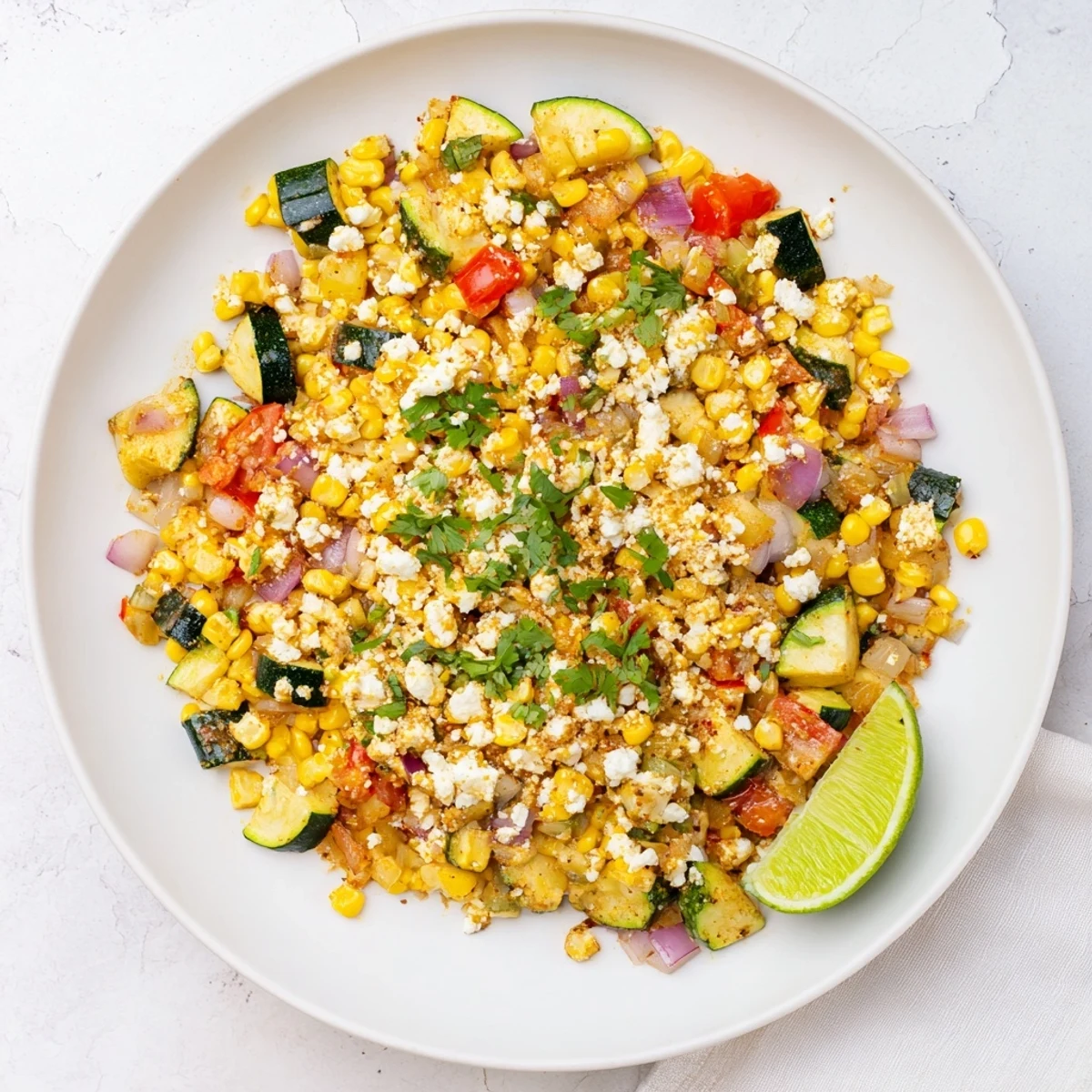
 My partner usually claims they dont like zucchini, but they've been caught eating this straight from the serving dish with a spoon more times than I can count. There's something magical about how the sweetness of the corn plays against the slight bitterness of the squash, all tied together with that salty cheese. I've started making double batches just because the leftovers somehow disappear even faster than the fresh stuff.
Making It Your Own
Sometimes I'll throw in some roasted red peppers when I want to add color and sweetness, especially in winter when fresh tomatoes aren't at their best. Other times I've added black beans for extra protein, turning it into more of a complete meal rather than just a side dish.
Serving Ideas
This works beautifully as a filling for tacos, especially with a fried egg on top for breakfast. I've also served it over cilantro lime rice, wrapped it in large flour tortillas with avocado, and even used it as a topping for baked sweet potatoes.
Storage And Meal Prep
The leftovers actually taste better the next day, as all those spices have more time to develop and meld together. I portion it into glass containers and eat it throughout the week, though honestly, it rarely lasts more than two days in my house.
- Store in an airtight container in the refrigerator for up to 4 days
- Reheat gently in a pan with a splash of water to refresh the texture
- Freeze for up to 3 months if you want to get ahead on meal prep
 Save to Pinterest
 Every time I make calabacitas now, I think about how the simplest vegetables, treated with a little care and patience, can become something that brings people together. Thats the kind of cooking that actually matters.
Questions & Answers
- → What does calabacitas mean?
-
Calabacitas is Spanish for 'little zucchini' or 'little squash,' referring to the tender zucchini that stars in this traditional Mexican dish. The name highlights the vegetable that forms the base of this comforting preparation.
- → Can I make calabacitas ahead of time?
-
Yes, calabacitas reheats beautifully. Store in an airtight container in the refrigerator for up to 3 days. Reheat gently in a skillet over medium-low heat, adding a splash of water if needed to prevent sticking.
- → What can I substitute for queso fresco?
-
Monterey Jack, cheddar, or cotija cheese all work well in this dish. For a dairy-free version, try vegan cheese shreds or simply omit the cheese and finish with extra fresh herbs and a squeeze of lime.
- → Is calabacitas spicy?
-
The poblano pepper adds mild flavor without significant heat. For more spice, include the optional jalapeño. The dish is naturally family-friendly and can be customized to your preferred heat level.
- → How do I serve calabacitas?
-
Serve calabacitas as a side dish alongside grilled meats or fish, use it as a filling for tacos, or enjoy it over rice as a satisfying vegetarian main. It pairs wonderfully with warm tortillas and lime wedges.