
 Save to Pinterest
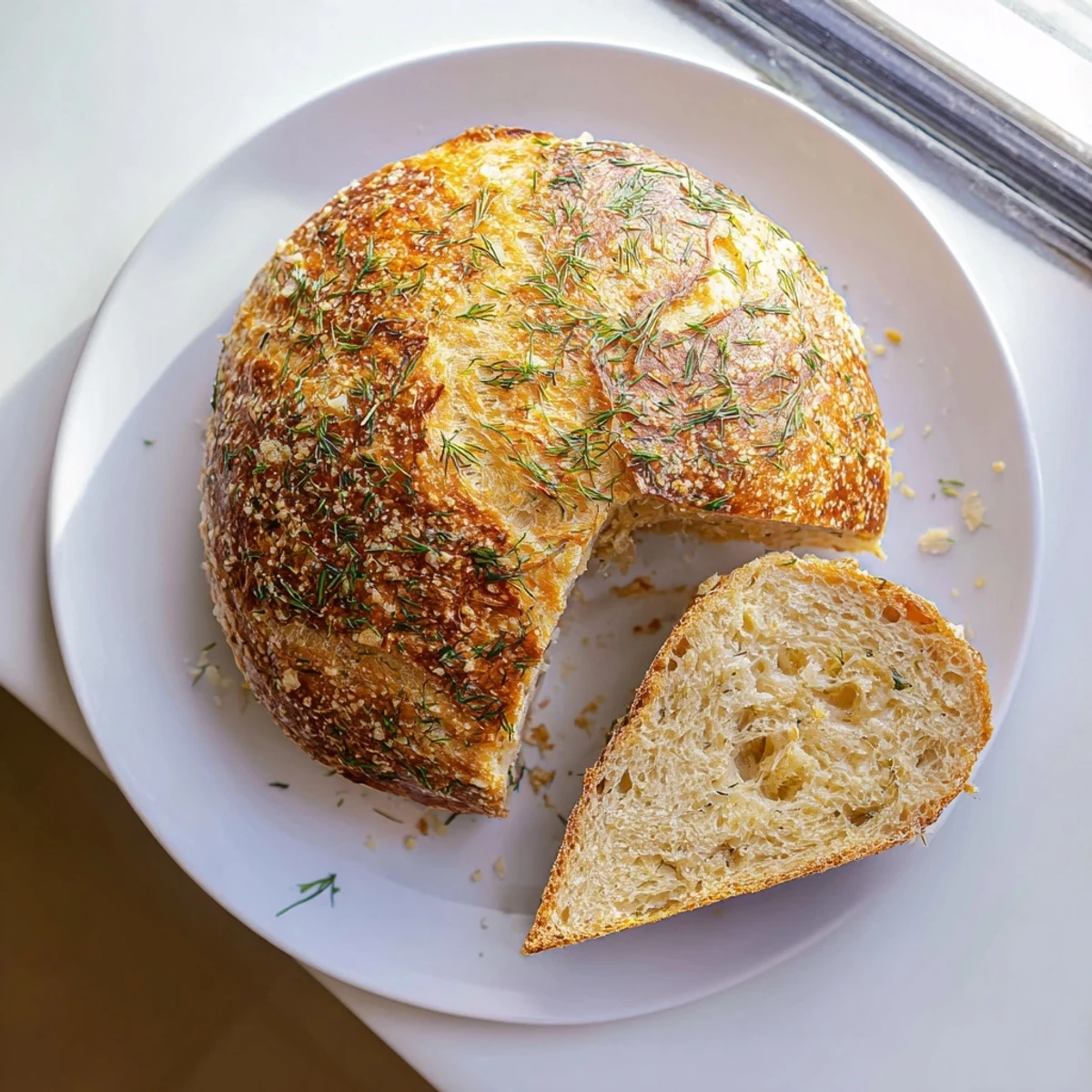
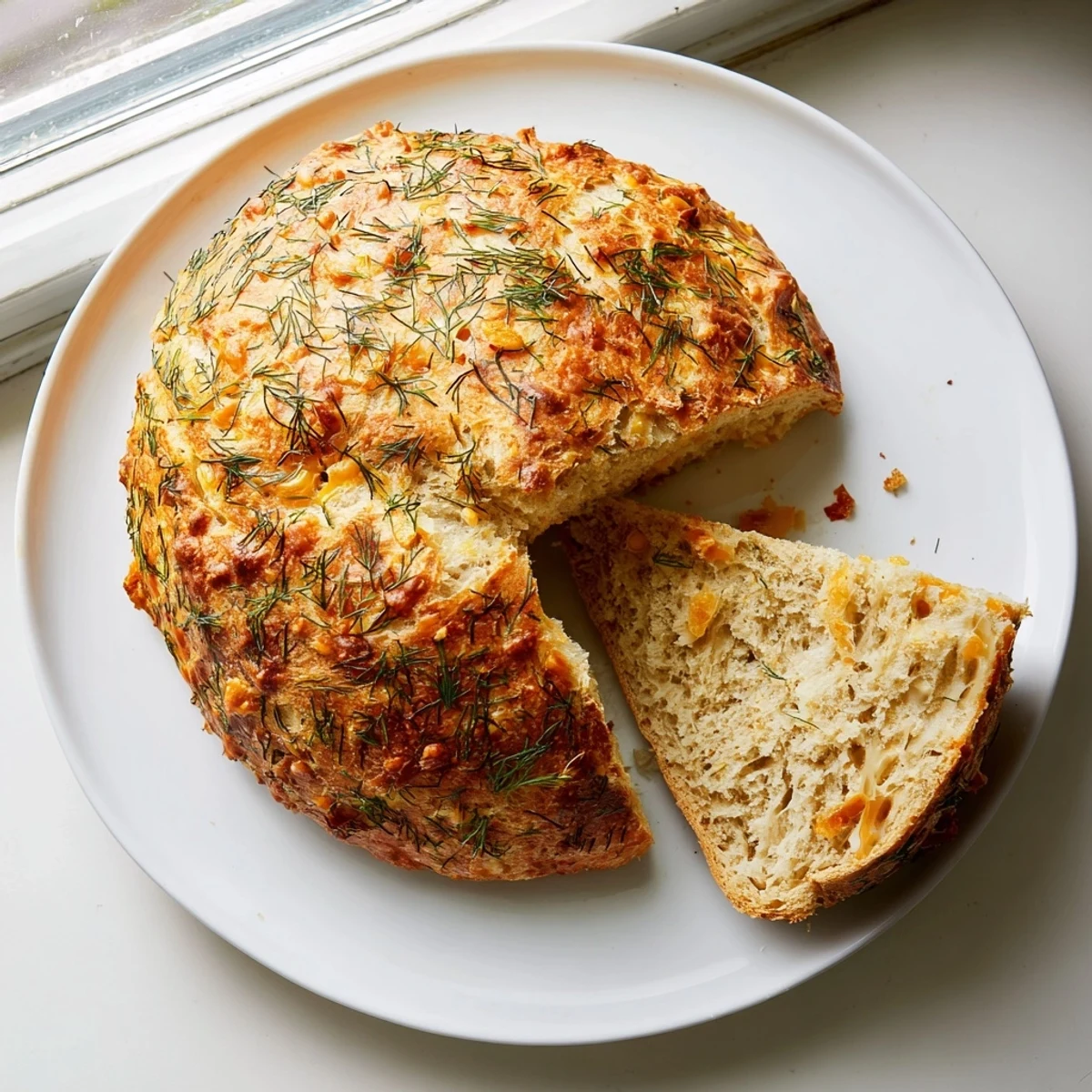
 This artisan-style loaf combines the aromatic brightness of fresh dill with rich, creamy Gouda cheese for an incredibly flavorful bread. The no-knead method makes it accessible to bakers of all skill levels while producing professional results with a golden, crackling crust and tender interior.
The overnight fermentation develops complex flavors and creates that characteristic airy crumb structure. Simply mix the ingredients, let the dough work its magic over 12–18 hours, then bake in a preheated Dutch oven for that perfect bakery-quality crust.
Serve this versatile bread warm with herbed butter, use it to elevate your favorite sandwich, or pair alongside hearty soups and stews. The vegetarian-friendly formula allows for easy substitutions like cheddar or Emmental.
The smell of dill hitting hot cheese is something that lingers in your kitchen hours after the bread comes out of the oven. I started making this during a particularly snowy February when the grocery store was low on everything but basic staples and a random block of Gouda. Now it is the bread I make when I want people to think I spent all day baking, even though the actual work takes maybe fifteen minutes.
My sister came over during that first experimental batch and we ended up eating half the loaf standing at the counter with butter knives. She still requests this bread whenever the temperature drops below forty degrees, and I have learned to double the recipe because one loaf disappears embarrassingly fast.
Ingredients
- Bread flour: The higher protein content gives this loaf structure while keeping the crumb tender and light
- Salt: Do not reduce this or the bread will taste flat
- Instant yeast: No proofing needed, it wakes up during the long overnight rest
- Gouda cheese: Grate it yourself for better melting and pockets of creamy cheese throughout
- Fresh dill: The flavor pops against the rich cheese and works beautifully with the wheat
- Cracked black pepper: Adds just enough warmth to balance the mild cheese
- Lukewarm water: Should feel like bathwater, not hot or you will kill the yeast
Instructions
- Mix the dough:
- Combine the flour, salt, and yeast in a large bowl then stir in the Gouda, dill, and pepper until everything looks evenly distributed
- Add water and combine:
- Pour in the lukewarm water and stir with a spatula until you have a shaggy, sticky mass with no dry flour remaining
- Let it rest:
- Cover the bowl tightly and leave it alone on your counter for 12 to 18 hours until it is bubbly and has doubled
- Shape the loaf:
- Flour your work surface well, scrape the dough out, and gently fold the edges toward the center to form a round
- Second rise:
- Place the dough seam side down on parchment paper, cover loosely, and let it puff up for 30 to 60 minutes
- Preheat your Dutch oven:
- Put your Dutch oven with its lid in the oven and heat to 450°F for at least 30 minutes while the dough rises
- Bake covered:
- Carefully lift the parchment and dough into the hot pot, cover, and bake for 30 minutes
- Finish baking:
- Remove the lid and bake another 15 to 20 minutes until the crust is deep golden brown
- Cool completely:
- Let the bread rest on a wire rack for at least an hour or the crumb will be gummy inside
 Save to Pinterest
 This bread became my go to for housewarming gifts after the first time I brought a loaf to a new neighbor. They texted me two days later asking for the recipe, and I have since baked it for potlucks, holidays, and random Tuesdays when comfort food feels necessary.
Cheese Variations
Sharp cheddar works beautifully if you want something with more bite, and Emmental melts into gorgeous pockets throughout the crumb. Aged Gouda intensifies the flavor while young Gouda stays creamier.
Herb Combinations
Fresh rosemary and Parmesan create this woodsy, salty combination that pairs well with tomato soup. Chives and sharp cheddar turn the loaf into something reminiscent of a baked potato.
Serving Ideas
Slice it thick for grilled cheese sandwiches that feel decadent, or toast pieces and top with smoked salmon and cream cheese. This bread also makes excellent croutons when cubed and baked in butter.
- Try spreading room salted butter on warm slices
- The bread keeps well wrapped in foil for two days
- Revive leftover slices in a 350°F oven for 10 minutes
 Save to Pinterest
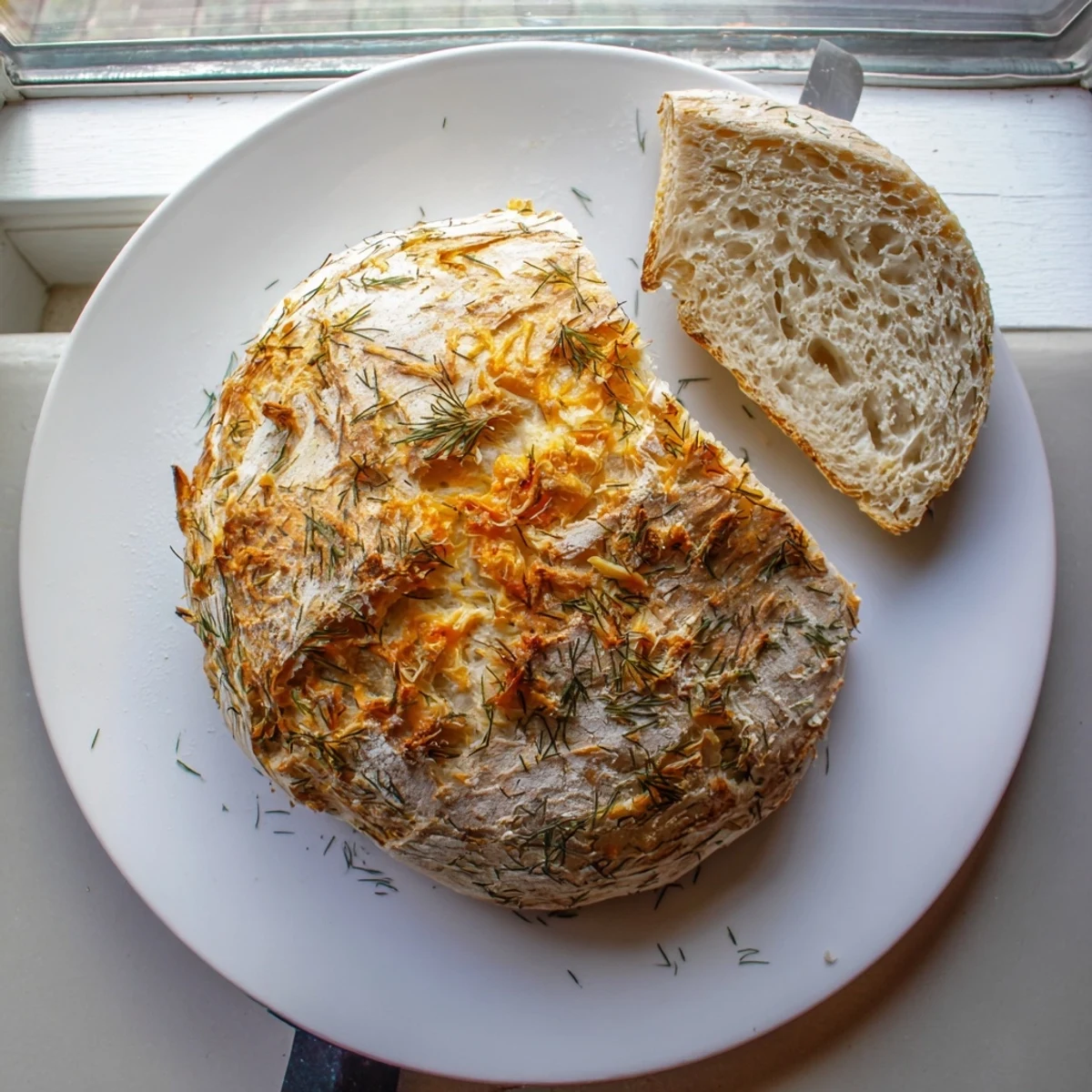
 There is something deeply satisfying about pulling a golden, crackling loaf from the oven that you barely had to work for. This bread fills your house with the kind of warmth that makes people want to stay for dinner.
Questions & Answers
- → Can I use dried dill instead of fresh?
-
Yes, you can substitute 1 tablespoon of dried dill for the 3 tablespoons of fresh dill called for in this loaf. The flavor will be slightly more concentrated, so you might want to start with a smaller amount and adjust to taste.
- → What makes this bread no-knead?
-
The extended fermentation period of 12–18 hours allows gluten to develop naturally without the need for kneading. Time and hydration do the work for you, creating a well-structured dough with minimal effort.
- → Why use a Dutch oven for baking?
-
A preheated Dutch oven creates a steamy environment that mimics professional deck ovens. This trapped steam helps the loaf expand fully and develops a crisp, golden crust with a tender interior.
- → Can I substitute the Gouda cheese?
-
Absolutely. Cheddar, Emmental, Gruyère, or even Parmesan work well as alternatives. Choose a cheese that melts nicely and complements the herbal notes of dill without overpowering them.
- → How do I know when the bread is done baking?
-
The loaf should have a deep golden-brown crust and sound hollow when tapped on the bottom. An instant thermometer inserted into the center should read between 190–200°F (88–93°C) for fully baked bread.
- → How should I store this bread?
-
Store at room temperature in a paper bag or bread box for up to 2 days. For longer storage, wrap tightly and freeze for up to 3 months. Avoid refrigeration as it accelerates staling.