 Save to Pinterest
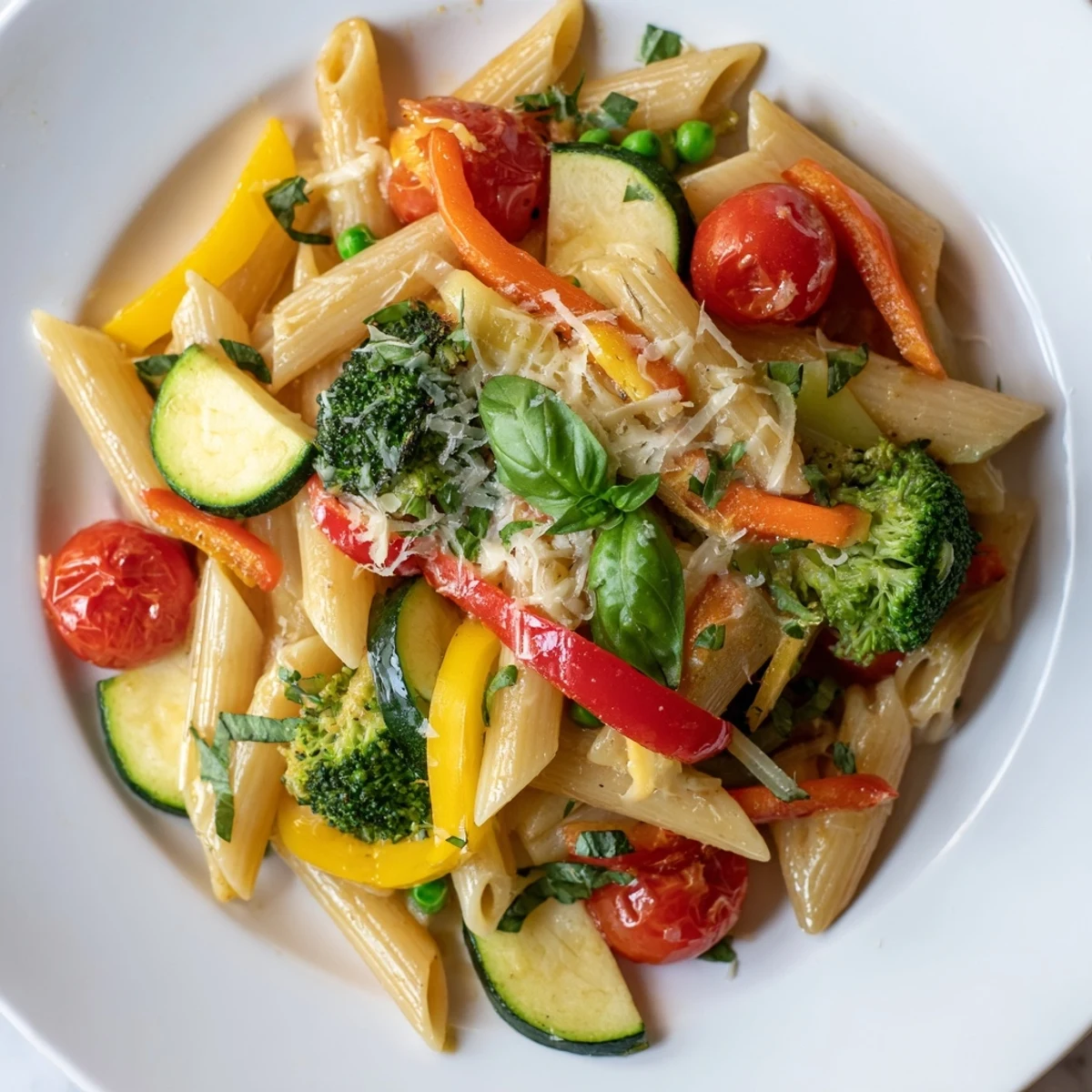
 This Italian classic brings together al dente penne or fusilli with a medley of vibrant spring vegetables including zucchini, yellow squash, bell peppers, broccoli florets, and sweet cherry tomatoes. The dish comes together in just 40 minutes with a simple preparation that highlights the natural sweetness of seasonal produce.
A light sauce created from olive oil, garlic, fresh lemon zest and juice, and Parmesan cheese ties everything together without overwhelming the vegetables. The addition of reserved pasta water creates a silky coating that clings beautifully to each piece of pasta.
Fresh basil finishes the dish with aromatic brightness, while optional red pepper flakes add gentle warmth. This vegetarian main serves four generously and pairs wonderfully with crisp white wines like Pinot Grigio or Sauvignon Blanc.
The first time I made pasta primavera, I was trying to use up a refrigerator full of farmers market vegetables that were on their last legs. My kitchen smelled like garlic and olive oil, and I remember dancing around waiting for the pasta water to boil while my roommate kept asking if it was ready yet. We ate it straight from the skillet, standing up, burning our tongues slightly because we could not wait another second. That impulsive weeknight dinner turned into one of those recipes I have made hundreds of times since.
Last spring, I served this at a dinner party when two guests announced they were vegetarian and I panicked slightly about what to make. The red bell peppers sweetened as they cooked, and the lemon zest brightened every single bite. My friend Sarah asked for the recipe before she even finished her plate, which is always the best compliment.
Ingredients
- 350 g (12 oz) penne or fusilli pasta: The ridges catch the light sauce and hold onto the vegetables beautifully
- 1 small zucchini, sliced into half moons: Do not slice too thin or they will disappear into the dish
- 1 small yellow squash, sliced into half moons: Adds a lovely color contrast with the zucchini
- 1 red bell pepper, sliced into thin strips: The sweetness balances the lemon and garlic perfectly
- 1 cup broccoli florets: Cut them bite sized so they cook evenly with everything else
- 1 cup cherry tomatoes, halved: They burst slightly and create little pockets of juice
- 1/2 cup frozen peas, thawed: Add these last so they keep their bright green pop
- 2 cloves garlic, minced: Fresh garlic makes all the difference here
- 1 small carrot, julienned: A subtle sweetness that complements the spring vegetables
- 3 tbsp extra virgin olive oil: This is the base of your light sauce
- 1/4 cup grated Parmesan cheese: Plus more for serving because you will want extra
- 1/4 cup chopped fresh basil: Or 2 tbsp fresh parsley if that is what you have
- Zest of 1 lemon: Use a microplane if you have one for the finest zest
- Juice of 1/2 lemon: Fresh squeezed is worth the extra effort
- Salt and freshly ground black pepper: Taste as you go and adjust accordingly
- Pinch of red pepper flakes: Optional but lovely if you want a gentle warmth
Instructions
- Get your pasta water ready:
- Bring a large pot of salted water to boil and cook pasta until al dente, reserving 1/2 cup pasta water before draining
- Warm the olive oil:
- Heat olive oil in a large skillet over medium heat and sauté minced garlic for 30 seconds until fragrant
- Start the harder vegetables:
- Add carrot, bell pepper, and broccoli, sautéing for 3 minutes while stirring frequently
- Add the softer vegetables:
- Toss in zucchini, yellow squash, and peas, cooking 4 to 5 minutes until tender but still vibrant
- Bring in the tomatoes:
- Stir in cherry tomatoes, lemon zest, and lemon juice, sautéing 2 more minutes
- Combine everything:
- Add drained pasta to the skillet, tossing with reserved pasta water as needed to create a light sauce
- Finish with cheese and herbs:
- Remove from heat and stir in Parmesan and basil, seasoning with salt, pepper, and red pepper flakes
- Serve it up:
- Plate immediately with extra Parmesan and fresh herbs if desired
 Save to Pinterest
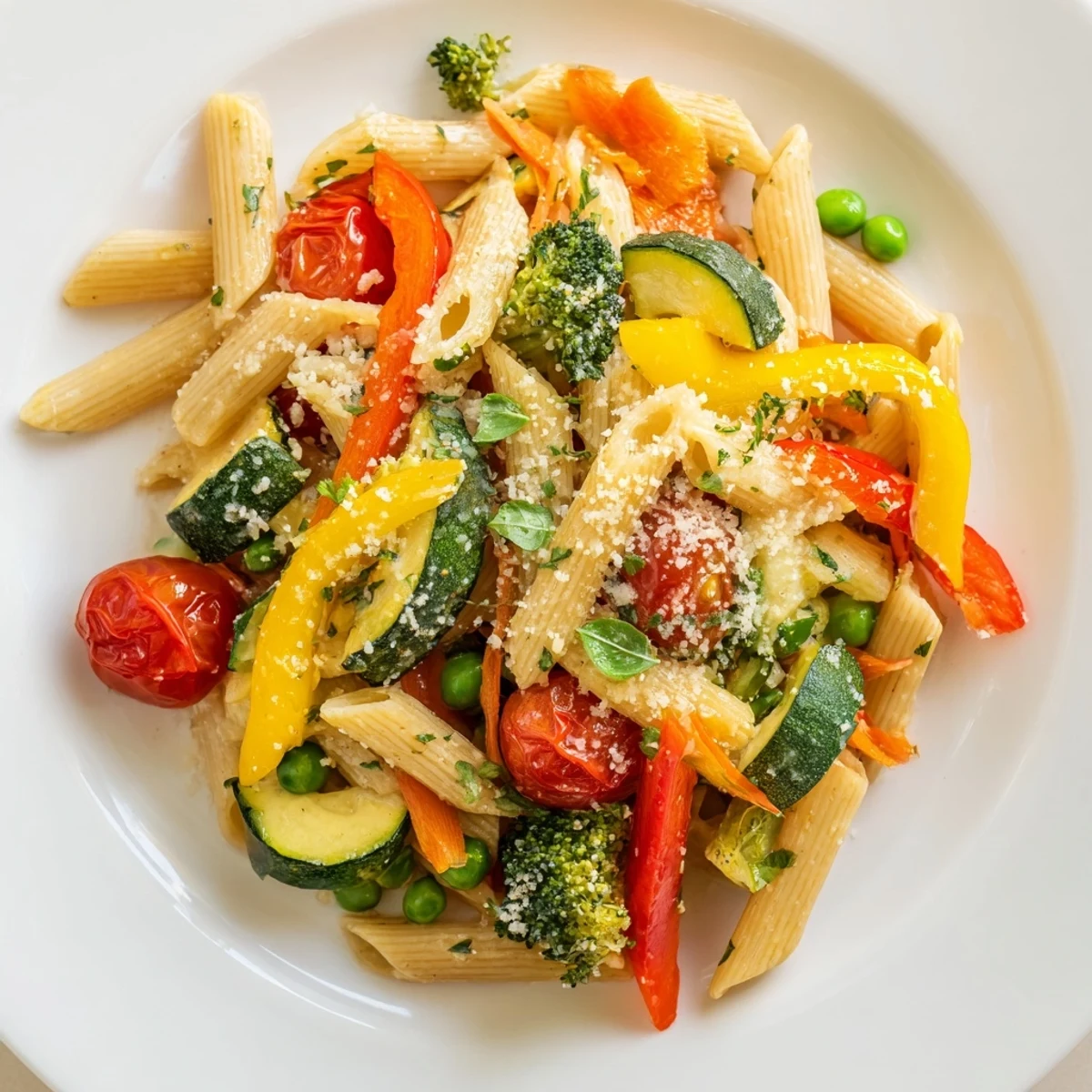
 This dish has become my go to when I want something that feels special but does not require hours of effort. The way the vegetables glisten in the light sauce always makes me feel like I have made something restaurant worthy.
Making It Your Own
I have learned that primavera is more of a template than a strict recipe. Sometimes I throw in asparagus or green beans when they look particularly good at the market. The key is keeping roughly the same volume of vegetables and adjusting your cooking times accordingly based on what you are using.
The Pasta Water Secret
That starchy pasta water is absolutely the magic ingredient here. It emulsifies with the olive oil and creates a silky sauce that coats every strand of pasta and vegetable without feeling heavy. I always forget to save it at first, so now I set my measuring cup right by the colander as a reminder.
Timing Is Everything
The real trick is getting everything to finish at the same moment so nothing sits around getting cold. Start your pasta water before you begin prepping vegetables, and have all your vegetables washed and cut before you turn on any heat.
- Hard vegetables like carrots and broccoli go in first
- Soft vegetables like zucchini need less time
- Tomatoes and peas should join the party last
 Save to Pinterest
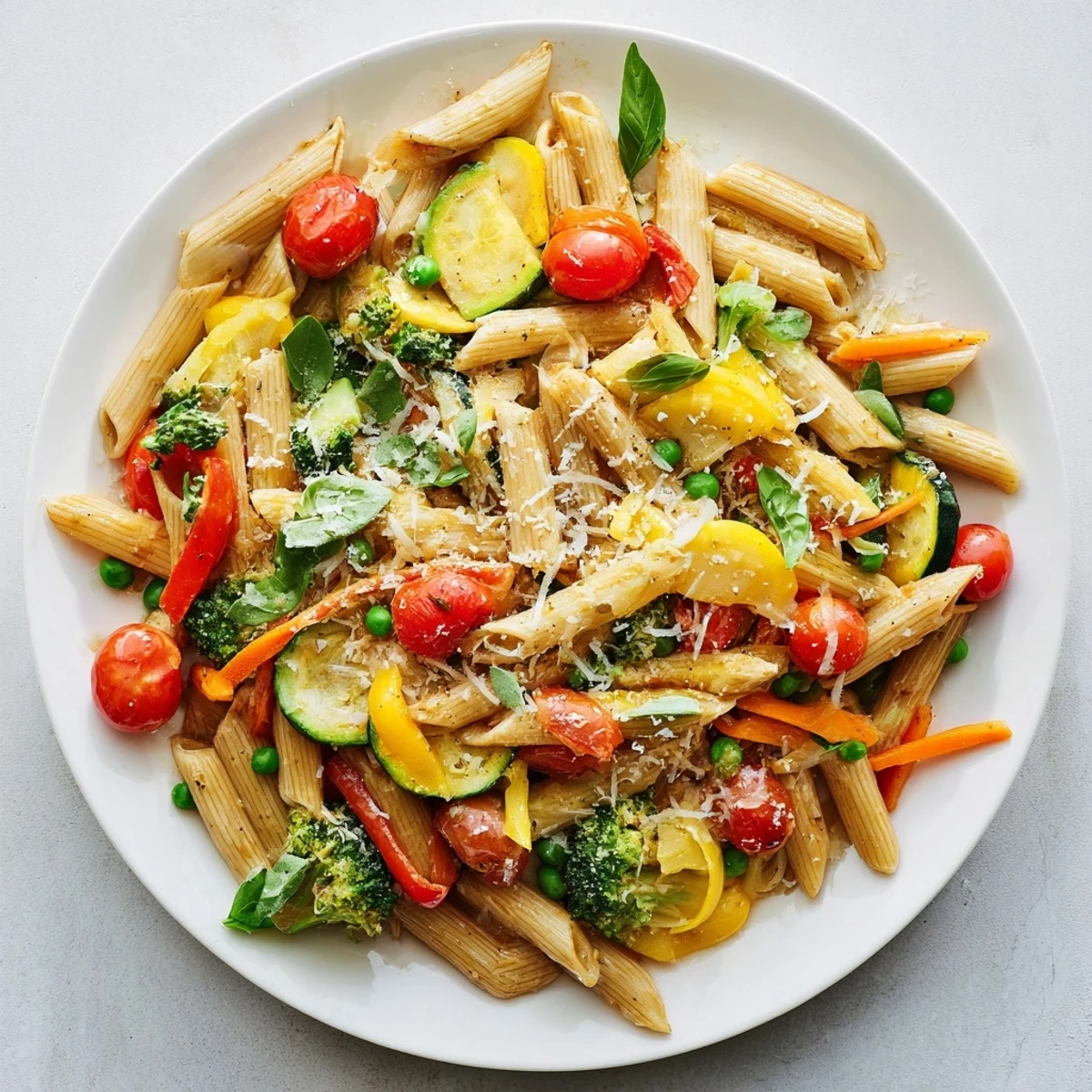
 Enjoy those first spring vegetables while they last, because this dish celebrates everything fresh and bright about the season.
Questions & Answers
- → What vegetables work best in pasta primavera?
-
Spring vegetables shine in this dish—zucchini, yellow squash, bell peppers, broccoli, and cherry tomatoes provide color and texture. The key is cutting vegetables uniformly so they cook evenly and maintain their vibrant colors.
- → How do I prevent the vegetables from becoming mushy?
-
Cook vegetables in stages, starting with harder ones like carrots and broccoli first. Add softer vegetables like zucchini and tomatoes later. Keep the heat at medium and stir frequently to maintain crisp-tender texture.
- → Can I make pasta primavera ahead of time?
-
This dish tastes best served immediately while the pasta is al dente and vegetables retain their bright color. If you need to prep ahead, chop vegetables in advance and store them separately. Cook everything just before serving.
- → What type of pasta works best for primavera?
-
Short pasta shapes with ridges or tubes like penne, fusilli, or rotini capture the light sauce and small vegetable pieces beautifully. The nooks and crannies help hold the lemon-herb coating.
- → How can I add protein to this vegetarian dish?
-
Grilled chicken breast, sautéed shrimp, or white beans make excellent protein additions. Cook proteins separately and fold them in during the final tossing to prevent overcooking.
- → What if I don't have fresh basil?
-
Fresh parsley, tarragon, or oregano work well as substitutes. Use about half the amount if using dried herbs. The lemon zest provides enough brightness that you can adjust other herbs to taste.