 Save to Pinterest
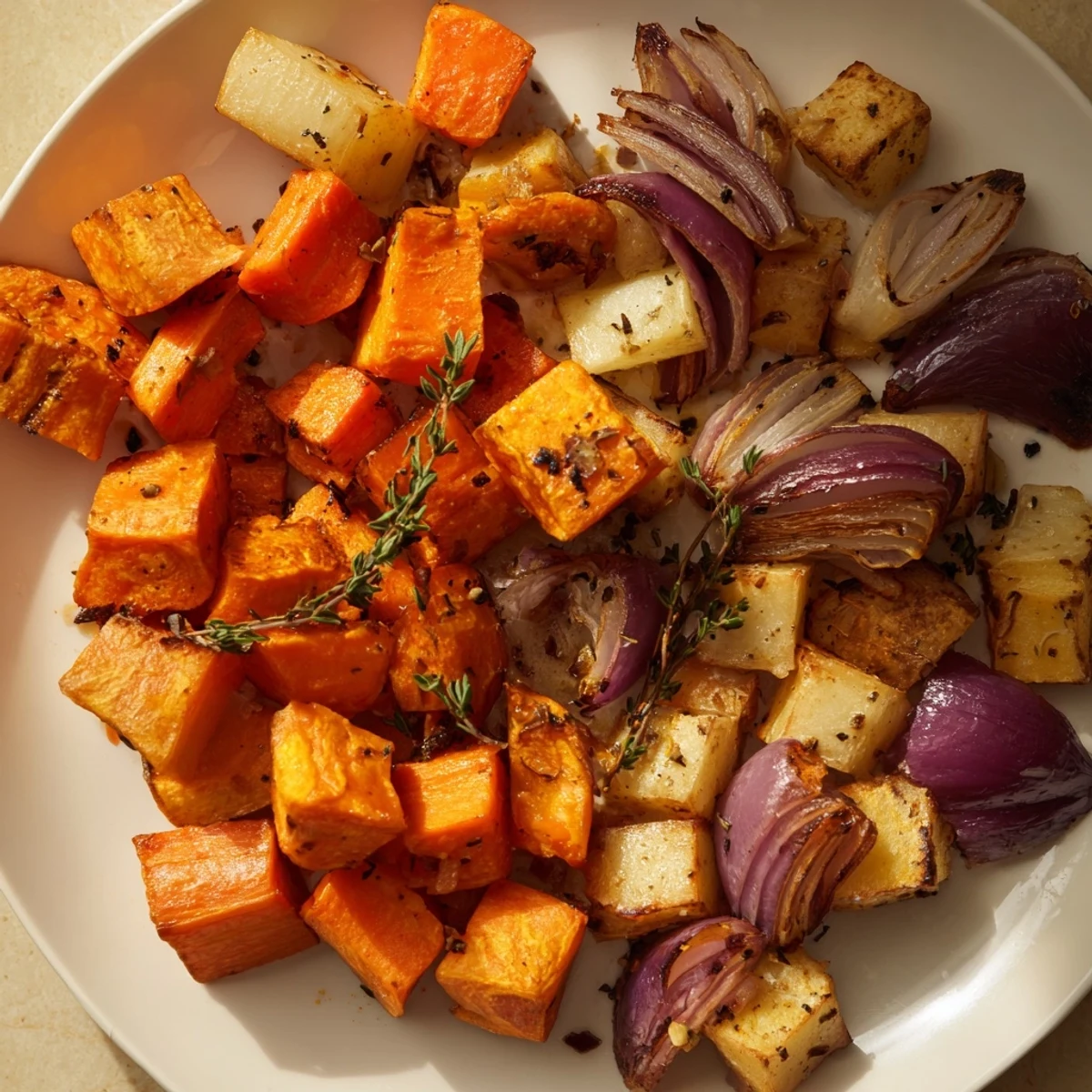
 Combine carrots, parsnips, sweet potato, and rutabaga with red onion, olive oil, garlic, and fresh thyme. Season with sea salt and pepper before tossing to coat. Spread the mixture on a baking sheet and roast at 425°F for 40 minutes, stirring halfway through. The result is a golden, caramelized side dish that pairs beautifully with roast meats or grains.
There's something almost magical about the moment when root vegetables hit a hot oven and start to caramelize. I discovered this recipe on a particularly chilly autumn evening when I was tired of the same old side dishes and decided to roast whatever was lurking in my vegetable drawer. The transformation was immediate—what looked like humble chunks of carrot and parsnip emerged golden and crispy at the edges, sweet and deeply flavorful, and suddenly I understood why French kitchens treat roasted vegetables with such reverence.
I made this for my sister's dinner party last winter when she mentioned she was tired of mushy roasted vegetables, and she actually asked for the recipe before dessert was served. That's when I knew I'd stumbled onto something special.
Ingredients
- Carrots: The natural sweetness becomes almost honeyed when roasted, and they soften to a perfect texture if you keep the chunks roughly the same size.
- Parsnips: These are the secret ingredient that nobody expects—they have an earthy sweetness that deepens beautifully in the oven.
- Sweet potato: Adds color, creaminess, and a subtle natural sweetness that balances the earthier vegetables.
- Rutabaga or turnip: Brings an understated complexity and helps round out the flavor profile without being dominating.
- Red onion: The layers caramelize and turn almost jammy, adding sweetness and depth to every bite.
- Olive oil: This is your coating and your flavor foundation—don't skimp, but good quality matters more than quantity.
- Fresh thyme: Adds an herbaceous note that ties everything together; fresh is noticeably better than dried, but either works.
- Garlic: Roasts alongside everything else and becomes soft, sweet, and almost nutty rather than harsh.
- Sea salt and black pepper: These simple seasonings let the vegetables shine without masking their natural flavors.
Instructions
- Get your oven ready:
- Preheat to 425°F and line your baking sheet with parchment paper—this prevents sticking and makes cleanup blissfully easy. The heat needs to be high enough to actually caramelize the vegetables, not just soften them.
- Cut and combine:
- Chop all your vegetables into roughly 1-inch pieces so they cook evenly, then toss them together in a large bowl with the olive oil, thyme, minced garlic, salt, and pepper. The goal is every piece lightly coated with oil and seasonings.
- Spread and roast:
- Arrange everything in a single layer on your prepared sheet, then slide it into the oven. After about 20 minutes, give everything a good stir to encourage even browning and caramelization.
- Know when it's done:
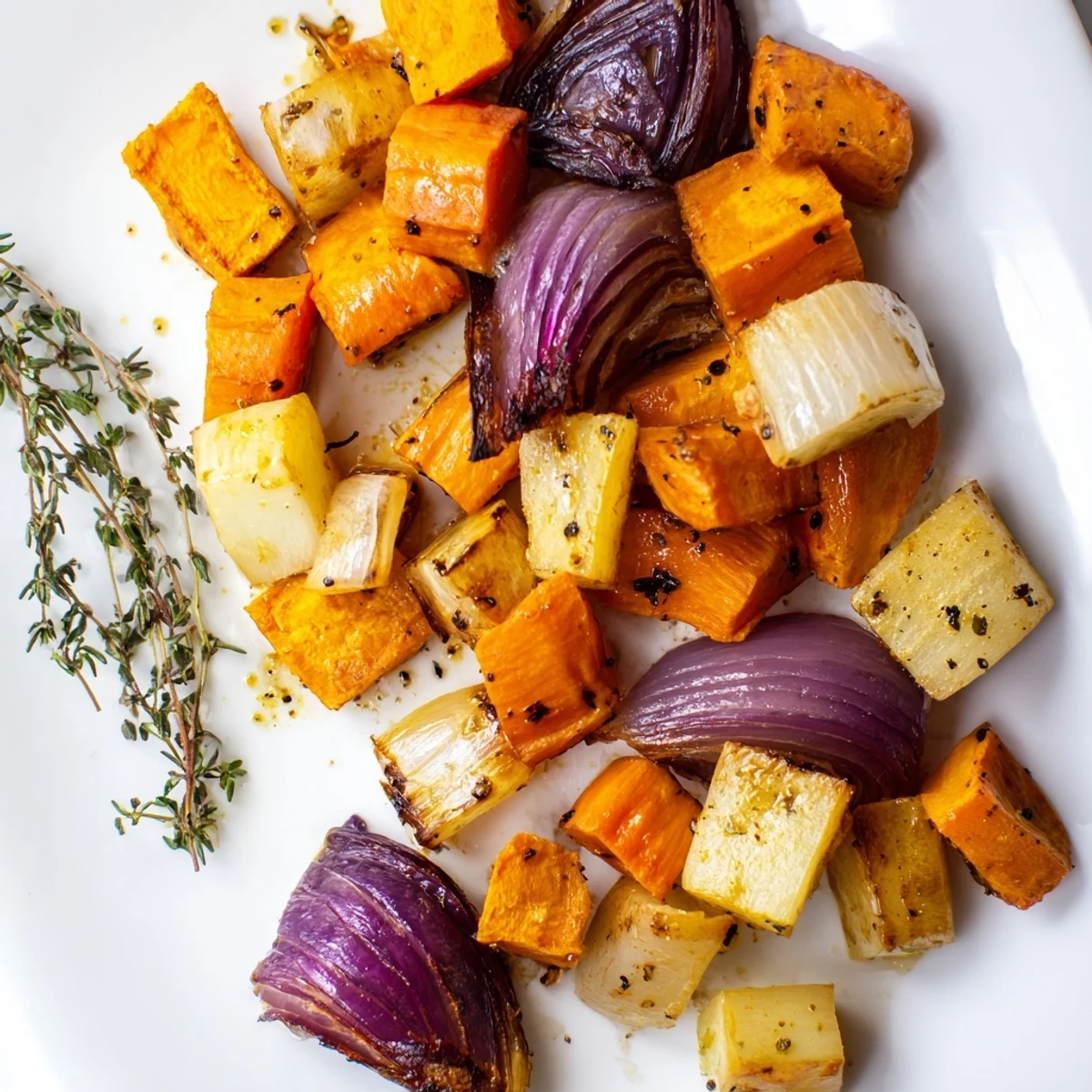
- The vegetables are ready when the edges are golden brown and the insides are fork-tender, usually around 35 to 40 minutes total. Some pieces will be crispier than others, and that's exactly how you want it.
- Finish and serve:
- Taste for seasoning, add a pinch more salt if needed, and serve while everything is still warm and the flavors are at their brightest.
 Save to Pinterest
 I remember standing in front of the open oven about thirty minutes in, and the entire kitchen filled with this warm, roasted, almost caramel-like smell that made everyone who walked in immediately hungry. That's when I realized this simple dish had become something my family actually requested by name.
Building Flavor Layers
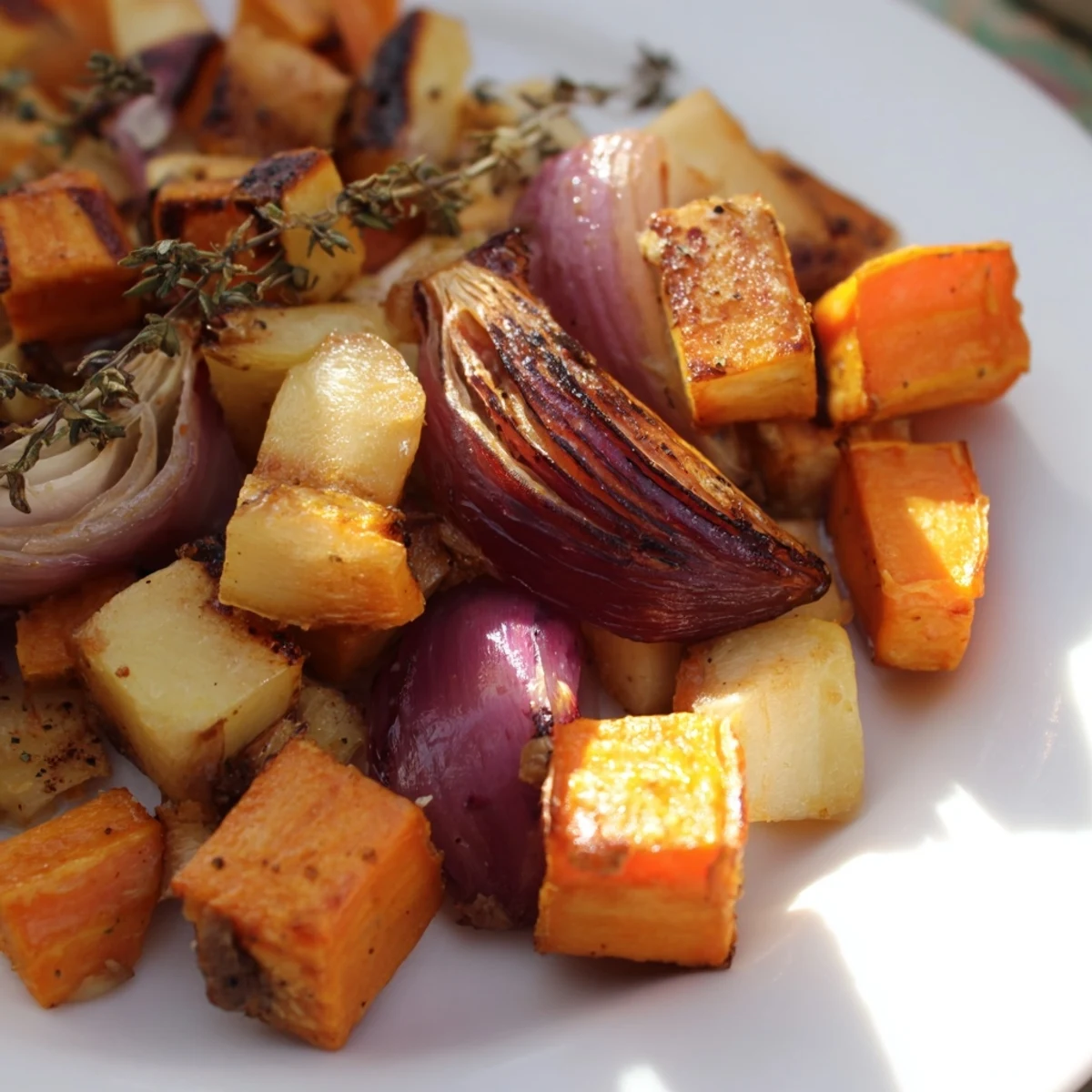
The beauty of this recipe lies in the interplay between different vegetables and their unique caramelization points. Carrots and parsnips bring earthiness, while the sweet potato adds creaminess, and the red onion develops a silky, jammy texture that acts like a natural sauce coating everything. When you roast them together, their individual flavors actually enhance each other rather than compete.
Customizing Your Roast
This recipe is genuinely forgiving and welcomes substitutions based on what's in your market or refrigerator that day. Beets add earthiness and stunning color, regular potatoes bring heartiness, Brussels sprouts add texture, and even celery root works if you're feeling adventurous. The technique remains exactly the same regardless of what vegetables you choose.
Making It Your Own
Once you understand the basics, this becomes a template for endless variations that reflect your mood and what's available. I've served this with a drizzle of balsamic vinegar for acidity, a squeeze of fresh lemon juice for brightness, and even a sprinkle of nutritional yeast for richness.
- Try a pinch of smoked paprika or cumin for a warm, spiced variation.
- A handful of fresh rosemary works beautifully if you want an earthier, more Mediterranean direction.
- Save any leftovers to toss into grain bowls, salads, or even blend into a creamy soup the next day.
 Save to Pinterest
 This recipe has become my go-to when I want something that feels effortless but tastes like you spent hours in the kitchen. It's the kind of dish that proves sometimes the simplest approach—good ingredients, high heat, and a little patience—creates the most memorable meals.
Questions & Answers
- → Which vegetables work best for roasting?
-
Carrots, parsnips, sweet potatoes, and rutabagas are excellent choices. You can also substitute beets, regular potatoes, or turnips based on seasonal availability.
- → How long does it take to roast?
-
The vegetables need to roast in a 425°F oven for 35 to 40 minutes. It is important to stir them halfway through the cooking time to ensure even caramelization.
- → Can I use dried thyme instead of fresh?
-
Yes, you can substitute one teaspoon of dried thyme for the one tablespoon of fresh thyme leaves called for in the ingredients list.
- → Is this dish suitable for vegan diets?
-
Yes, this dish is completely vegan as it uses only vegetables, olive oil, and seasonings without any animal products.
- → What main courses pair well with this?
-
These caramelized root vegetables pair perfectly with roast meats, poultry, or can serve as a hearty main course when served over grains like quinoa or rice.