
 Save to Pinterest
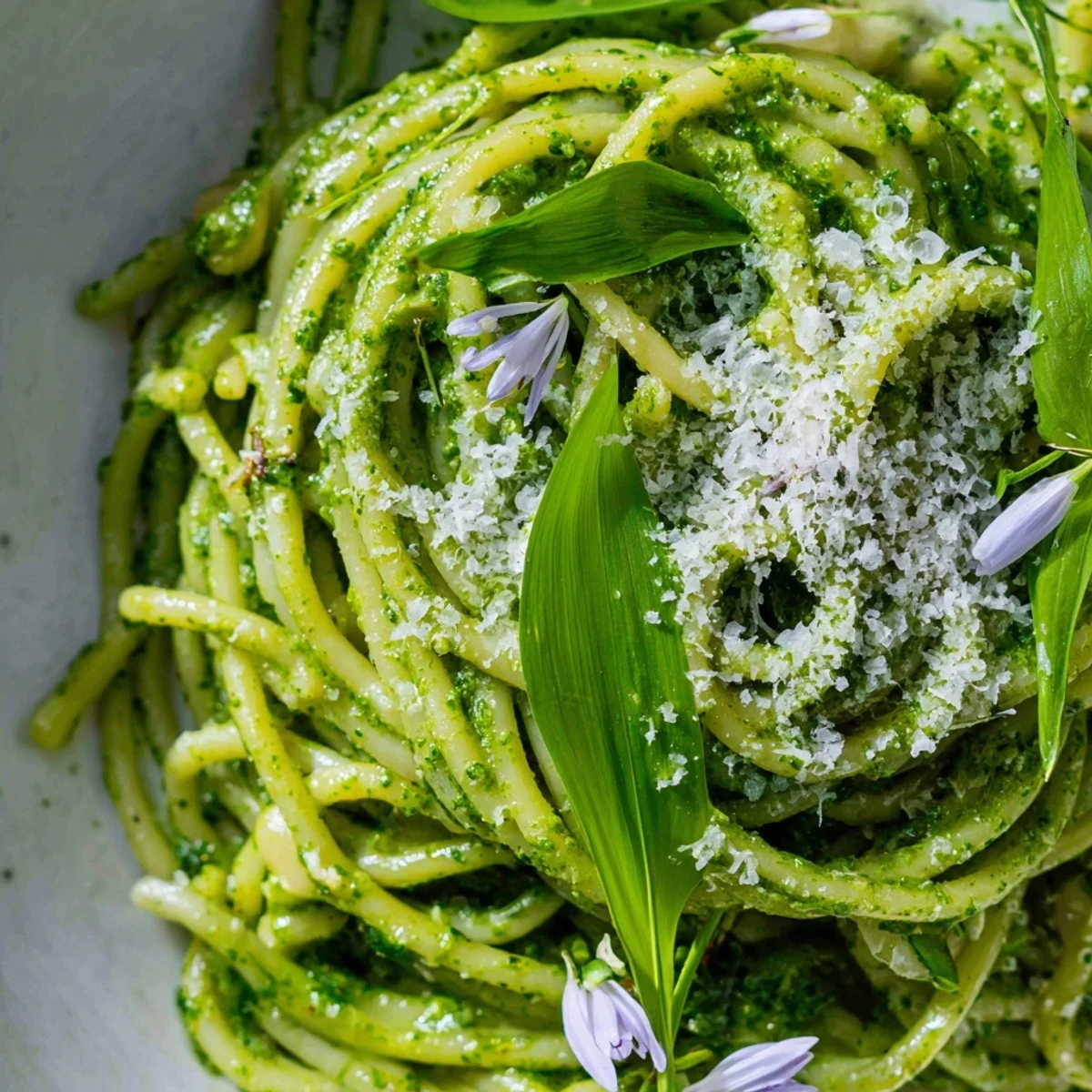
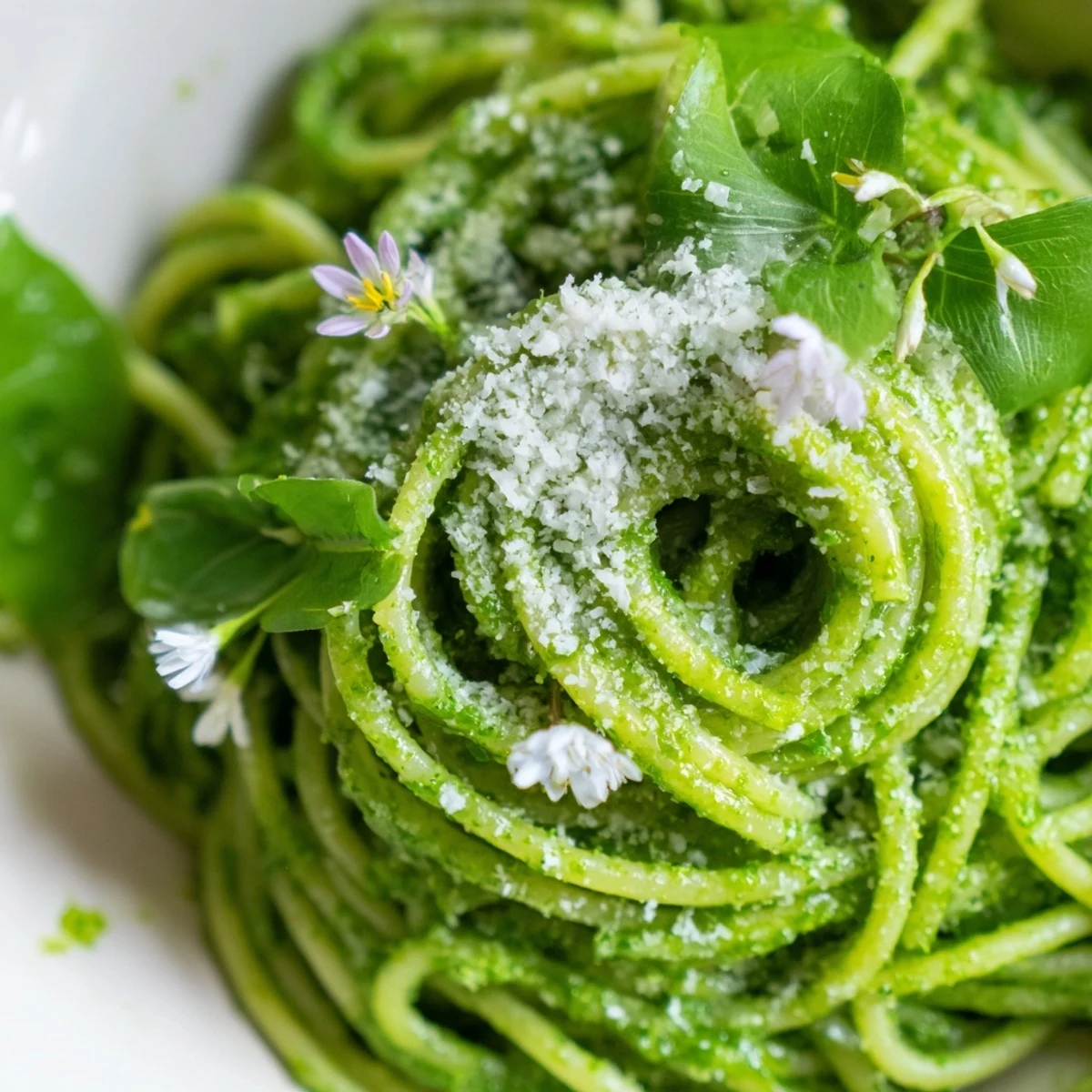
 This wild garlic pesto pasta brings bold, fresh spring flavors to your table in just 25 minutes. Wild garlic leaves are blended with pine nuts, Parmesan, olive oil and a squeeze of lemon into a silky, vibrant green sauce.
Tossed with al dente spaghetti or linguine and finished with extra Parmesan, it makes a satisfying vegetarian main that celebrates seasonal ingredients at their peak.
The smell hit me before I even saw the patch. Walking along the riverbank last April, a pungent, garlicky greenness curled through the air and led me straight to a carpet of wild garlic leaves sprawling under the trees. I stuffed a bag full, grinning like someone who had just discovered treasure, and walked home already imagining dinner.
My neighbor Claudia stopped by the evening I first made this, drawn by the scent wafting through the open kitchen window. She leaned over the pot, inhaled deeply, and declared it smelled like the Tuscan hillside where she grew up. We ate standing at the counter, twirling forks and talking until the light faded.
Ingredients
- 400g dried pasta (spaghetti or linguine): Long strands hold the pesto beautifully and every bite gets evenly coated.
- 1 tbsp salt for pasta water: This seasons the pasta from within and you cannot fix bland pasta later.
- 80g wild garlic leaves: The star of the dish, rinse them thoroughly because grit hides in every fold.
- 30g pine nuts or walnuts: Pine nuts give a buttery sweetness but walnuts add an earthy depth that works just as well.
- 50g grated Parmesan cheese: Adds savory richness and helps the pesto cling to each strand.
- 80ml extra virgin olive oil: Use the good stuff here since it is the body of your sauce.
- 1 small garlic clove (optional): Wild garlic is already potent so add this only if you want extra punch.
- Half a lemon, juiced: A squeeze of brightness that lifts everything and balances the richness.
- Salt and freshly ground black pepper: Taste as you go because wild garlic varies in intensity.
- Extra Parmesan and wild garlic leaves for garnish: A finishing touch that makes the plate sing.
Instructions
- Get the pasta going:
- Bring a large pot of salted water to a rolling boil and cook your pasta until just al dente. Scoop out half a cup of that starchy water before draining because it is liquid gold for your sauce.
- Blend the wild garlic pesto:
- Toss the wild garlic leaves, pine nuts, Parmesan, olive oil, garlic clove if using, lemon juice, salt, and pepper into a food processor. Blitz until smooth, scraping down the sides once or twice, then taste and adjust because every batch of wild garlic behaves differently.
- Marry pasta and pesto:
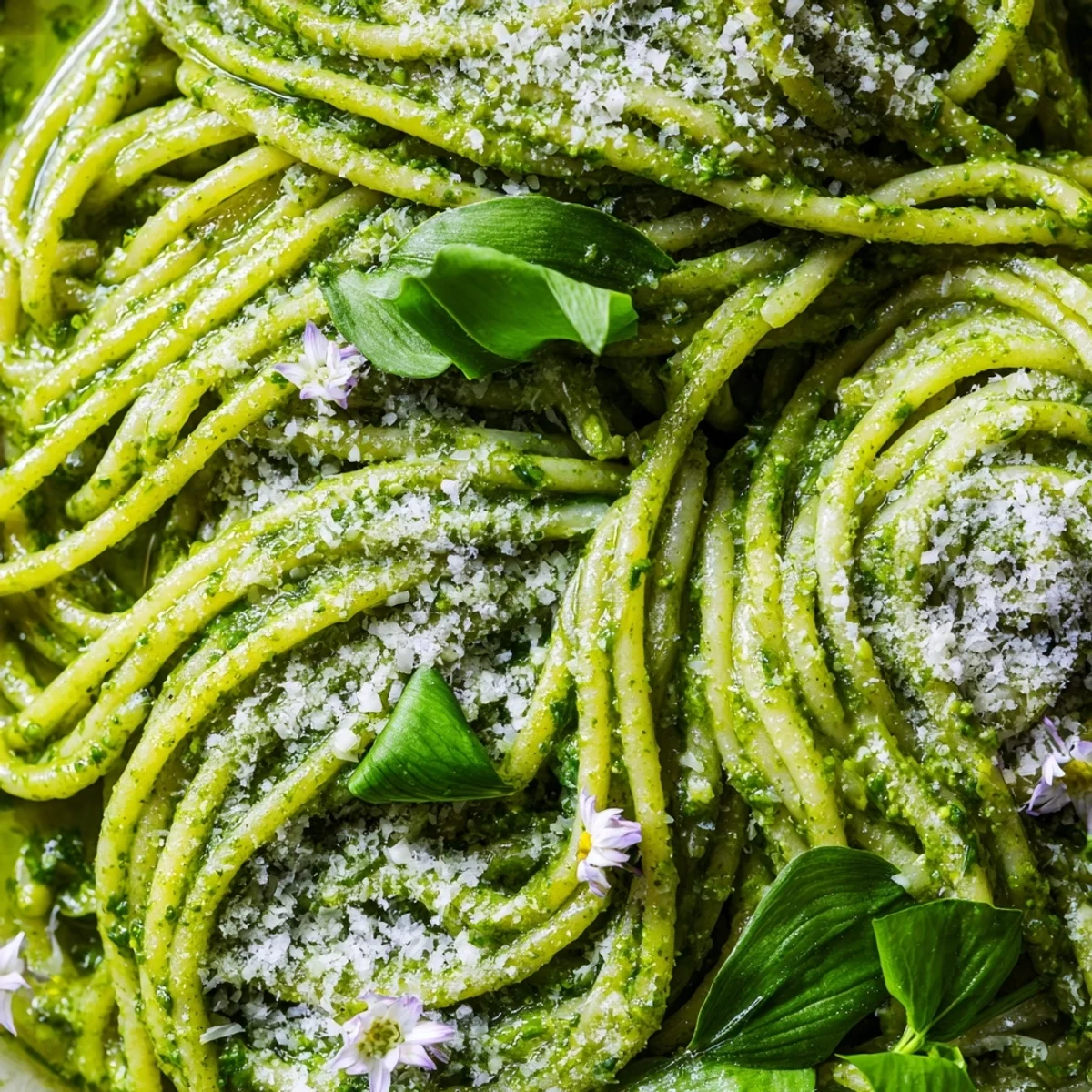
- Drain the pasta and drop it back into the warm pot, then spoon the pesto over it and toss vigorously. Splash in a little reserved pasta water until the sauce turns silky and clings to every strand.
- Plate and garnish:
- Divide among bowls immediately and shower with extra Parmesan and a few wild garlic leaves or edible flowers if you have them. Serve before the moment passes because this dish waits for no one.
 Save to Pinterest
 That evening with Claudia turned into a weekly ritual. Every spring now, we forage together and make this pasta, and it has become the way we mark the season arriving.
Picking and Storing Wild Garlic
Look for wild garlic in damp woodland areas near streams, usually from late March through May. The leaves should be bright green and tender, before the flowers fully open. Once home, wrap them loosely in damp paper towels and store in an open bag in the fridge where they will keep for about four days. You can also blitz them with oil and freeze the mixture in small containers for a burst of green in the middle of winter.
Swaps and Dietary Tweaks
If wild garlic eludes you, a mix of basil and baby spinach with an extra garlic clove gets you remarkably close. For a vegan version, swap the Parmesan for nutritional yeast, which adds a similar savory depth without any dairy. Nut allergies can be navigated with sunflower seeds, which toast beautifully and blend into a pesto that is just as creamy and satisfying.
What to Serve Alongside
This pasta loves simplicity beside it. A crisp green salad with a sharp vinaigrette cuts through the richness, and a glass of cold Pinot Grigio feels practically mandatory on a warm evening.
- A chunk of crusty bread for sauce mopping is never a bad idea.
- Roasted cherry tomatoes add a sweet pop that contrasts the garlicky pesto.
- Remember the pasta water trick because it truly transforms the texture from clumpy to luxurious.
 Save to Pinterest
 Some dishes are just food, and some are a season on a plate. This one is the reason I start watching the riverbank every March, waiting for that first wild garlic smell to drift through the air again.
Questions & Answers
- → What does wild garlic taste like?
-
Wild garlic has a delicate garlic flavor with fresh, grassy notes. It is milder than regular garlic cloves and carries a subtle onion-like sweetness that works beautifully in pesto.
- → Can I make this pesto without a food processor?
-
Yes, you can use a mortar and pestle for a more rustic texture. Finely chop the wild garlic leaves first, then gradually crush with the pine nuts, Parmesan and olive oil until you reach your desired consistency.
- → Where can I find wild garlic?
-
Wild garlic season runs from March to June. Look for it at farmers markets, specialty grocers or forage it in woodland areas. If unavailable, substitute with a mix of basil and one garlic clove.
- → How do I store leftover wild garlic pesto?
-
Transfer the pesto to a jar, press plastic wrap directly onto the surface and refrigerate for up to five days. You can also freeze it in ice cube trays for up to three months.
- → What pasta shapes work best with this pesto?
-
Long strands like spaghetti, linguine or fettuccine work wonderfully. Short shapes like fusilli or farfalle also coat well because their curves and ridges catch the pesto nicely.
- → Can I make this dish vegan?
-
Absolutely. Replace the Parmesan with nutritional yeast for a cheesy flavor without dairy. Use the same quantity and adjust seasoning to taste.