
 Save to Pinterest
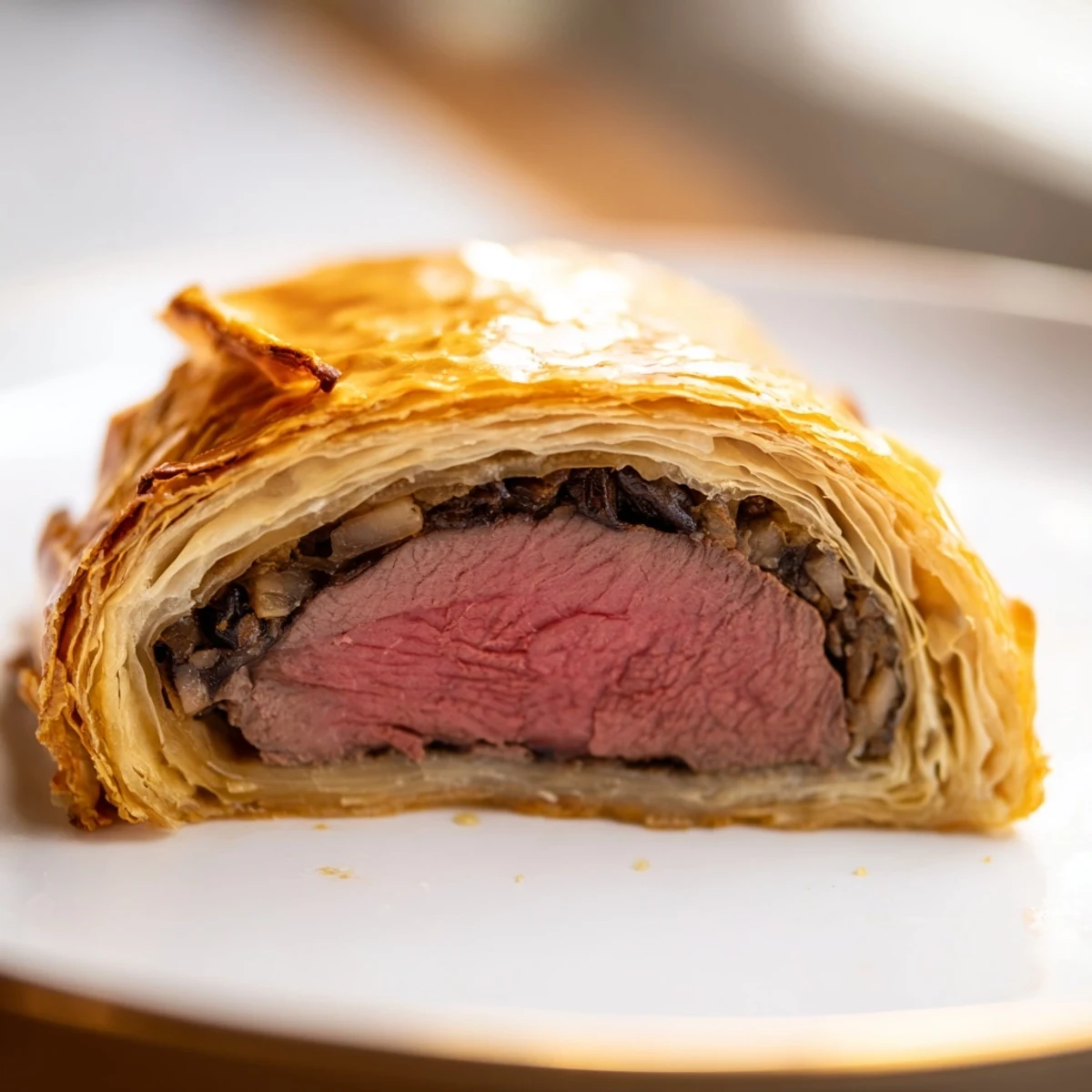
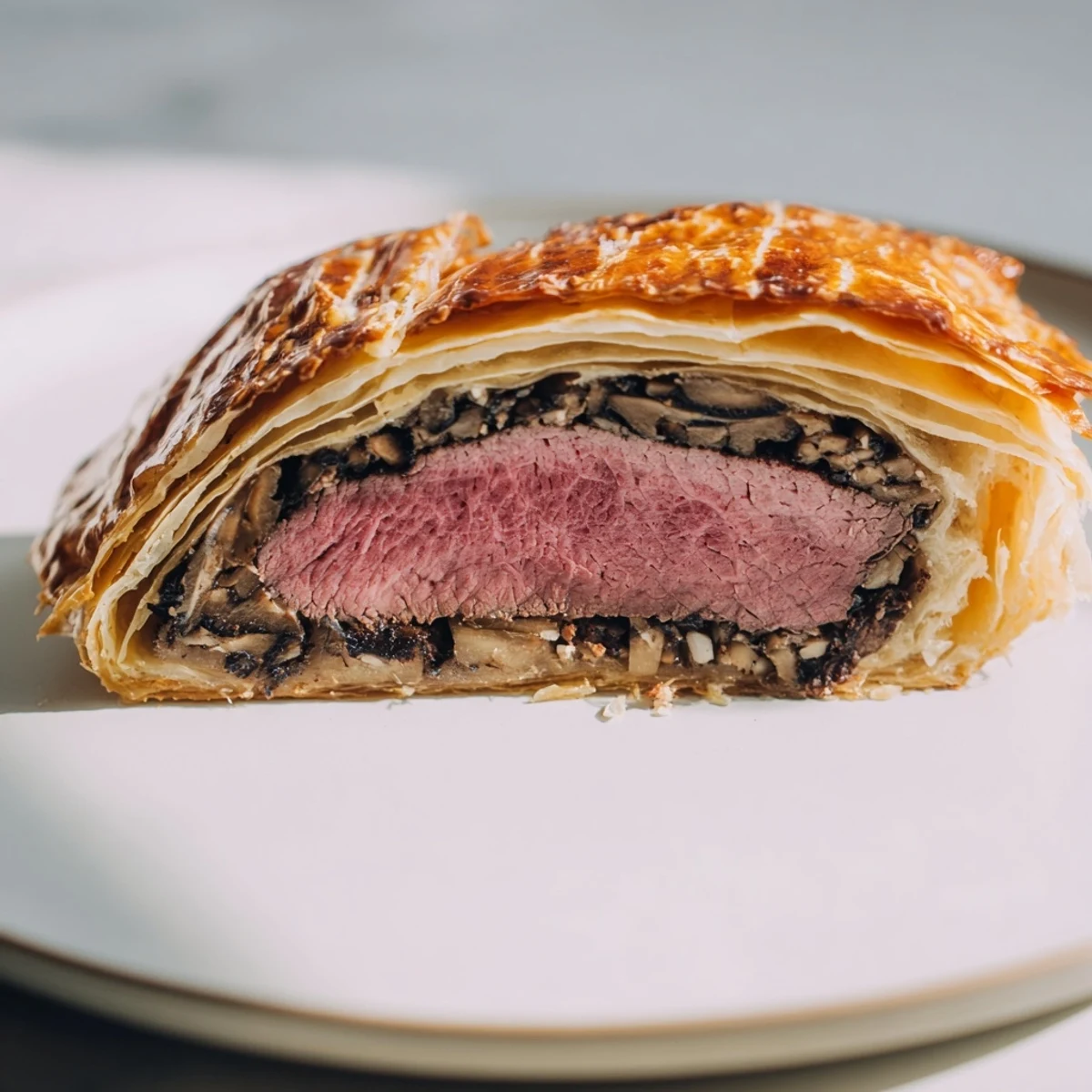
 This classic dish features a tender beef fillet seasoned and seared, then layered with a rich mushroom duxelles and prosciutto, wrapped in buttery puff pastry. The preparation involves careful assembly and chilling to maintain structure. Baking yields a golden, flaky crust encasing perfectly cooked beef. Serve with a red wine sauce or Madeira jus to elevate the flavors.
Optional Dijon mustard adds a subtle tang. For a vegetarian twist, substitute beef with a roasted portobello or vegetable loaf. Proper resting after baking ensures juicy slices and balanced texture.
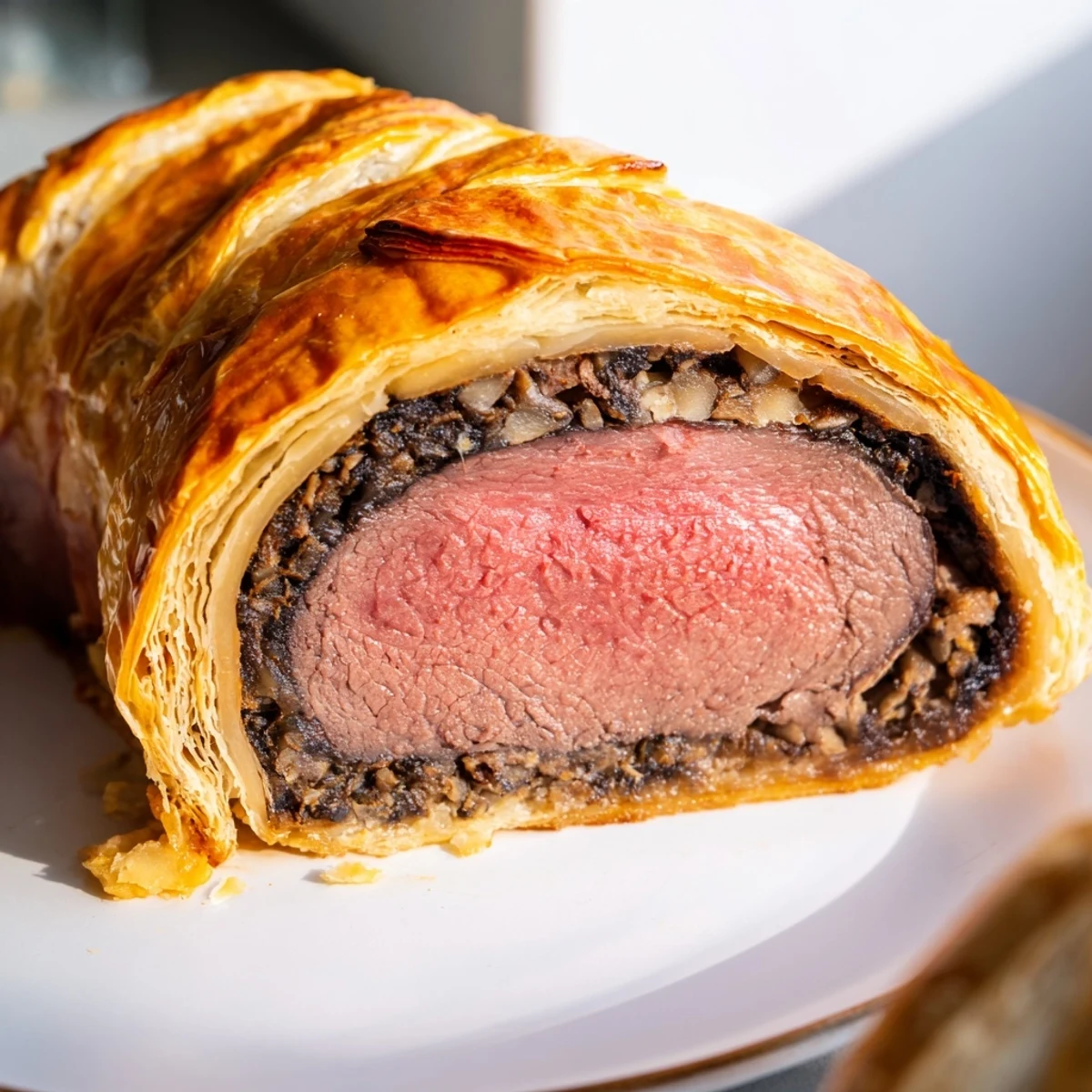
The first time I attempted Beef Wellington, I was cooking for my mother-in-law's birthday dinner. My hands were literally shaking as I rolled that expensive puff pastry around the beef. When I sliced into it at the table and saw that perfect pink center surrounded by golden flaky pastry, I let out a breath I had been holding for three hours. She still talks about that dinner.
I learned the hard way that rushing the chilling steps is what turns this masterpiece into a soggy disaster. There was this one Christmas Eve where I got impatient and skipped the refrigerator time between steps. The pastry slid off the beef while baking and we ended up with deconstructed Wellington for dinner. Everyone still ate it happily, but I've never skipped a chill time since.
Ingredients
- 1.2-1.5 kg center-cut beef tenderloin: The quality of beef matters here since it's barely cooked. I've learned to ask the butcher for center-cut which means even thickness throughout.
- 2 tbsp olive oil: Used for searing and creating that flavorful crust on the beef.
- Salt and freshly ground black pepper: Be generous with the seasoning. The beef only gets seasoned once before being wrapped away.
- 500 g cremini or button mushrooms: These need to be finely chopped by hand or pulsed in a food processor. The smaller the chop, the better your duxelles will adhere.
- 2 shallots: Shallots give a sweeter more delicate flavor than onions in the mushroom mixture.
- 2 garlic cloves: Minced finely so they distribute evenly through the duxelles.
- 2 tbsp unsalted butter: Start your mushrooms in butter. It carries the thyme flavor better than oil.
- 2 tbsp fresh thyme leaves: Fresh herbs are non-negotiable here. Dried thyme tastes dusty in such a fancy dish.
- 10-12 thin slices prosciutto: This layer creates a protective barrier between the moist mushroom mixture and your pastry keeping everything crisp.
- 500 g puff pastry: All-butter puff pastry makes a noticeable difference in flavor and how golden it gets.
- 1 egg: Beaten with a splash of water or milk for that gorgeous glossy finish.
- 2 tbsp Dijon mustard (optional): I always add this layer. The sharp mustard cuts through the rich beef and pastry beautifully.
Instructions
- Sear the beef to lock in juices:
- Preheat your oven to 220°C and pat that tenderloin completely dry with paper towels. Season it generously with salt and pepper on all sides. Heat the olive oil in a large skillet until it's smoking hot then sear the beef for 2-3 minutes on each side until deeply browned. Transfer to a plate and let it cool completely which is crucial for later steps.
- Prepare the mushroom duxelles:
- In the same skillet melt the butter over medium heat and cook the shallots and garlic until softened about 2 minutes. Add the chopped mushrooms and thyme then season with salt and pepper. Cook for 10-15 minutes stirring occasionally until all moisture has evaporated and the mixture looks like a dry paste. Spread it on a plate to cool completely.
- Build the prosciutto and mushroom wrap:
- Lay out a large piece of plastic wrap on your counter. Arrange the prosciutto slices overlapping slightly to form a rectangle that will fully wrap around your beef. Spread the cooled mushroom duxelles evenly over the prosciutto leaving no bare spots.
- Assemble and chill the beef log:
- If you're using the Dijon mustard brush it over the cooled beef now. Place the beef in the center of your prosci rectangle and use the plastic wrap to tightly roll everything into a neat log. Twist the ends like a candy wrapper to seal it tightly. Refrigerate for 20-30 minutes to firm everything up.
- Wrap in pastry and chill again:
- Roll your puff pastry on a floured surface into a rectangle large enough to encase the beef log with overlap. Unwrap the chilled beef and place it in the center. Brush the pastry edges with egg wash then fold the pastry over the beef trimming any excess and pressing seams firmly to seal. Place seam-side down on a parchment lined baking sheet and refrigerate for another 15 minutes.
- Bake to golden perfection:
- Brush the entire pastry with egg wash and if you're feeling fancy use scraps to create decorative leaves or patterns. Bake for 40-45 minutes until the pastry is deeply golden. An instant-read thermometer should read 50°C for rare or 54°C for medium-rare. Let it rest for 10-15 minutes before slicing or all those beautiful juices will escape.
 Save to Pinterest
 Last New Year's Eve I made three Wellingtons at once for a party of twelve. My kitchen looked like a pastry bomb had gone off with flour everywhere and plastic wrap trailing like ribbons. But watching twelve people go completely silent when they took their first bite made every stressful moment worth it.
Getting The Temperature Right
I keep a notebook in the kitchen where I record the final temperature of every Wellington I make. Some ovens run hot some run cool. After you make this a few times you will know exactly how long it takes in your specific oven to hit that perfect medium-rare. The investment in an instant-read thermometer pays for itself in peace of mind alone.
Making Ahead Like A Pro
The entire Wellington can be assembled up to 24 hours ahead and kept in the refrigerator. Just don't apply the egg wash until right before baking or it will make the pastry dark instead of golden. I've learned to prep everything the day before then just pop it in the oven when guests arrive. The house smells incredible and I'm actually relaxed enough to enjoy my own party.
Serving And Pairing
A well-made Wellington deserves to be the star of the show so keep sides simple. Roasted potatoes with rosemary and something green like haricots verts or asparagus won't compete. A bold red wine cuts through the richness beautifully. Use a sharp knife and saw gently through the pastry to keep those layers intact. Serve with the sauce on the side so guests can add as much or as little as they prefer.
- Let guests choose their own doneness by serving the end pieces to those who prefer more cooking
- Make a simple red wine reduction while the Wellington rests using the beef drippings that escaped during searing
- Leftovers if they exist make incredible sandwiches the next day with just a touch of horseradish
 Save to Pinterest
 There's something profoundly satisfying about serving a dish that makes people feel special. Beef Wellington has that magic power.
Questions & Answers
- → What cut of beef is recommended?
-
Use a center-cut beef tenderloin for its tenderness and uniform shape, ideal for even cooking.
- → How is the mushroom duxelles prepared?
-
Mushrooms, shallots, garlic, and thyme are finely chopped and cooked in butter until all moisture evaporates, creating a concentrated savory mixture.
- → Why chill the wrapped beef before baking?
-
Chilling helps the pastry hold its shape during baking, preventing sogginess and ensuring a crisp crust.
- → What temperature should the beef reach when baked?
-
For rare, aim for 50°C (122°F), and for medium-rare, 54°C (129°F) measured with an instant-read thermometer.
- → Can this dish be adapted for vegetarians?
-
Yes, by substituting the beef with a large roasted portobello mushroom or a vegetable loaf for a similar hearty texture.