
 Save to Pinterest
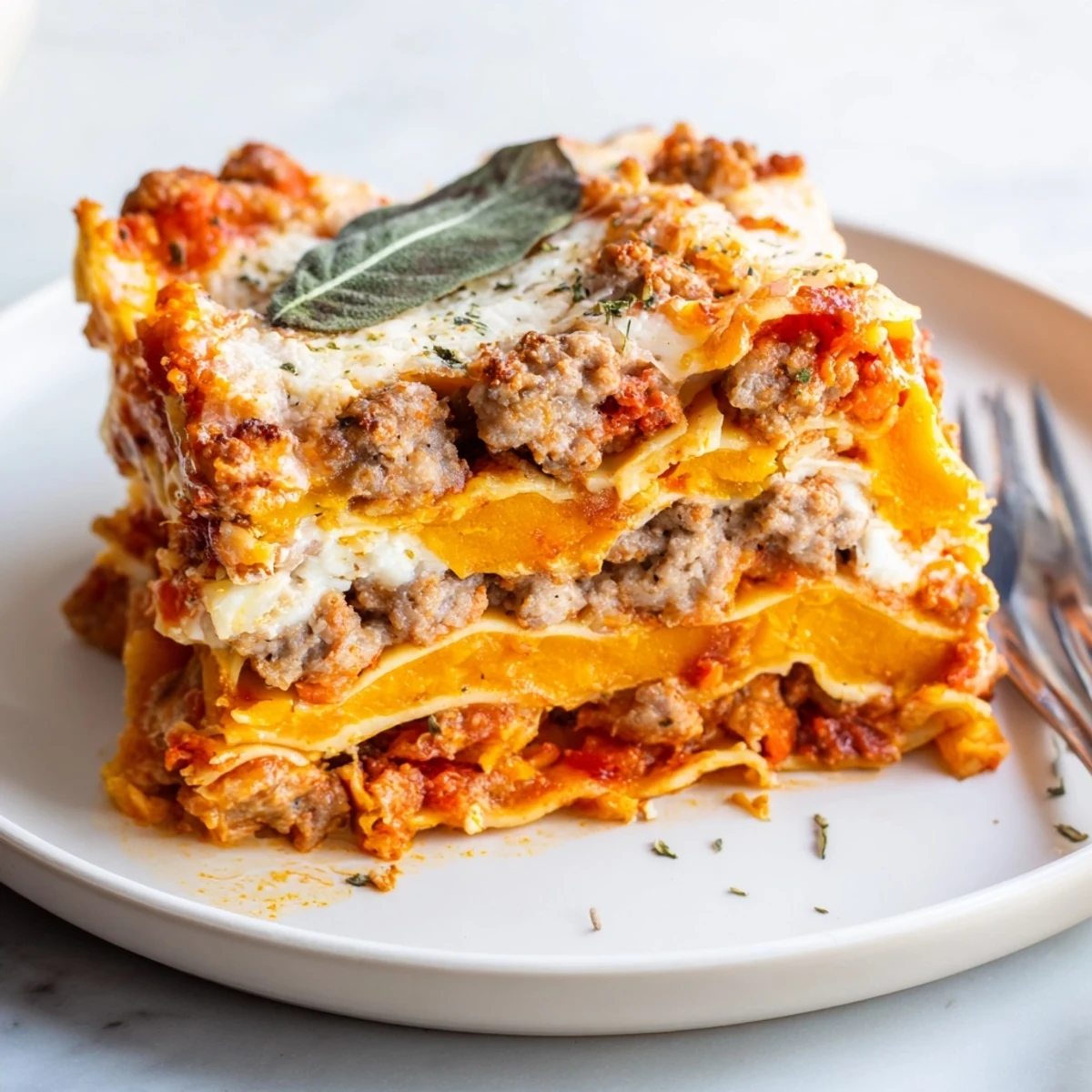
 Roast diced butternut with oil, salt and pepper at 200°C (400°F) until caramelized, then brown Italian sausage with onion and garlic. Stir ricotta with egg and Parmesan for a creamy layer. Assemble no‑boil noodles with sauce, ricotta, sausage, squash and mozzarella in a 9x13 pan; cover and bake at 180°C (350°F) 30 minutes, uncover 15–20 minutes until golden. Rest before slicing and garnish with basil.
There’s this distinct sound that comes from cubing up a butternut squash on a well-worn cutting board—thunks and scrapes that somehow mark the beginning of something cozy. I stumbled upon this lasagna one October when a surplus of squash and a stray package of sausage were the only things left after a lopsided grocery run. Instead of fussing over the gap between classic and new, I decided to layer my way through the uncertainty. The result surprised me in all the right ways, melding sweet, savory, and creamy with each forkful.
I once made this in the middle of a noisy week and invited a few friends, thinking I’d have plenty of leftovers. The pan disappeared in under an hour, with everyone scraping the corners for that extra caramelized cheese. Someone even asked if they could take a piece home for their lunch, which felt like the ultimate approval. We laughed over the slightly messy layers, and no one cared that a few noodles tried to slide out of place.
Ingredients
- Butternut squash: Roasting brings out a natural sweetness and caramelizes the edges; be sure to cut it into even cubes for uniform texture.
- Olive oil: A good drizzle helps the squash roast beautifully and keeps the onions from catching in the pan.
- Yellow onion: The base to nearly every great savory bake—cook until translucent for a mellow, sweet undertone.
- Garlic: This small addition builds a savory backbone; mince it finely so it melds into the sauce.
- Kosher salt and black pepper: Always taste as you go—the difference between bland and bold lies here.
- Italian sausage: Go with spicy if you love heat, but mild works for a cozy crowd-pleaser; brown it well and break into chunks.
- Ricotta cheese: This acts as the creamy glue between layers, especially after mixing with a fresh egg.
- Mozzarella cheese: For that perfect, melty top; shredding it by hand gives you soft, longer melts.
- Parmesan cheese: Salty, nutty, and a nudge above—scatter it between layers and always on top for best results.
- Large egg: One is enough to help the ricotta set and hold everything together without being heavy.
- No-boil lasagna noodles: Quick and fuss-free, just layer in and let the sauce do the magic; regular noodles work too if pre-cooked.
- Tomato sauce or marinara: Pick your favorite jar or homemade batch—quality matters since it ties everything together.
- Dried oregano: Throws in unmistakable Italian warmth, but don’t overdo it.
- Dried sage or thyme: These give a nod to autumn flavors; just a sprinkle is all it takes.
- Ground nutmeg: Barely a hint, but it’s what makes the ricotta sing and the squash pop.
- Fresh basil: Optional, but the color and scent at the end make it look and taste like you meant to impress.
Instructions
- Roast the squash:
- Preheat your oven to 200°C (400°F), toss squash cubes with a tablespoon of olive oil, a big pinch of salt, and black pepper, then spread them on a tray for even roasting; your kitchen will smell wonderfully nutty and sweet when they’re ready after 20–25 minutes.
- Prepare the base:
- As the squash roasts, warm the rest of the olive oil in a skillet, soften your onions until they’re see-through, then add the garlic until aromatic—breathe it in and watch for that golden shimmer.
- Brown the sausage:
- Add sausage to the skillet, breaking it up and browning well, stirring in your oregano, sage (or thyme), and nutmeg; let the mixture toast a little for full flavor before setting aside.
- Mash the squash:
- Once roasted, gently mash the squash with a fork—leave some chunks for texture because smooth is good but a little variety is better.
- Mix the ricotta:
- In a bowl, beat together ricotta, egg, half the Parmesan, and a dash of salt and pepper until creamy and unified.
- Prepare the baking dish:
- Swipe a bit of oil on your baking dish (so nothing sticks), ladle in a little tomato sauce, then nestle your first layer of noodles like assembling a puzzle.
- Layer the ingredients:
- Begin with one-third of the ricotta mixture, then sausage, then squash, sprinkle mozzarella, and drizzle tomato sauce—don’t worry about neatness, go for even coverage.
- Repeat and finish:
- Layer two more times, ending with noodles, all remaining sauce, mozzarella, and the rest of the Parmesan on top—this pile will settle and meld in the oven.
- Bake and uncover:
- Cover loosely with foil (oil the underside so cheese doesn’t stick), bake at 180°C (350°F) for 30 minutes, then uncover and continue for 15–20 minutes until the top is bubbling and golden brown with crisped edges.
- Rest and serve:
- Let the lasagna rest for 10–15 minutes so the layers set; scatter freshly torn basil before serving as a final flourish.
 Save to Pinterest
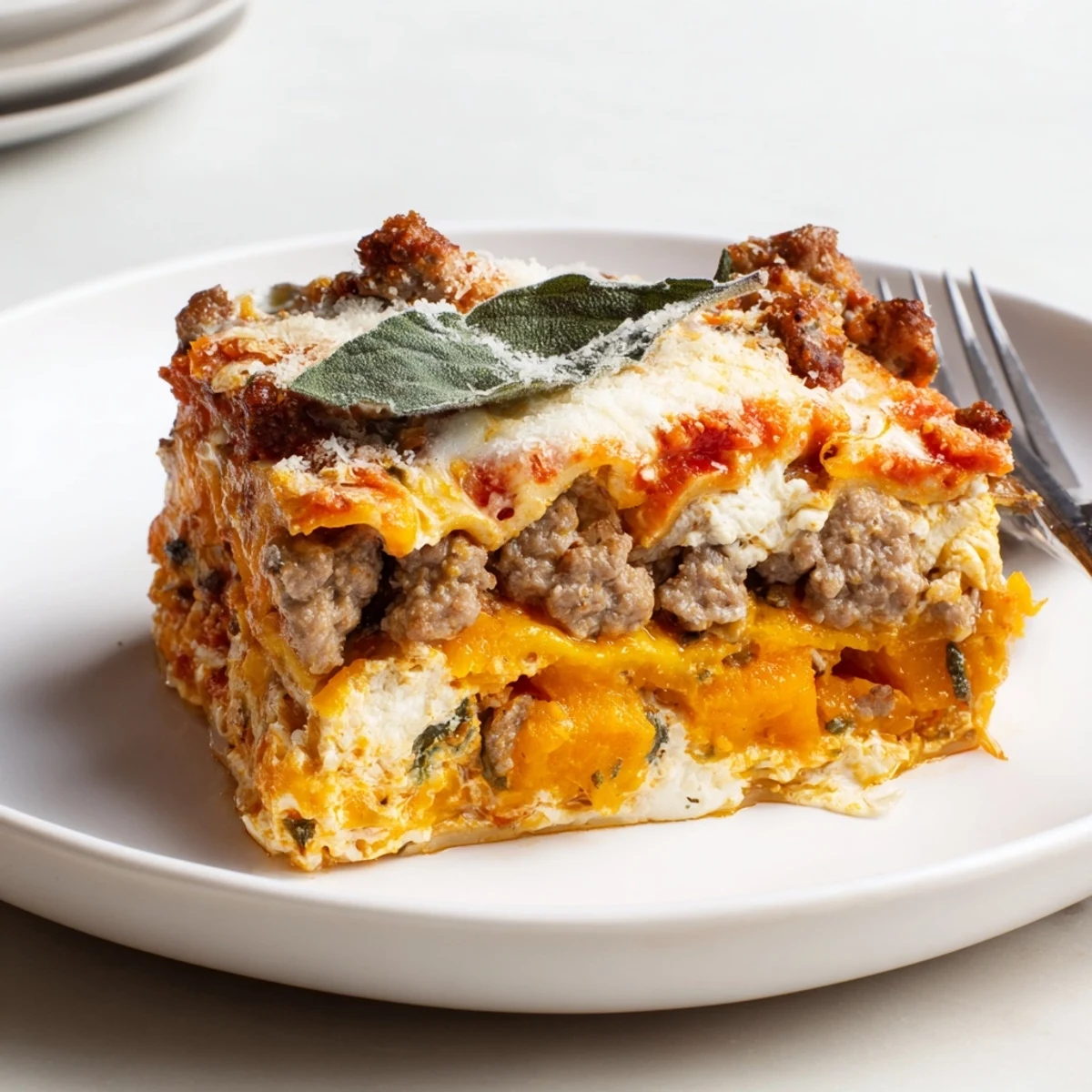
 Sometime last winter, my brother dropped by unexpectedly and nearly inhaled half the pan before realizing it was full of squash. His surprised grin when he asked for seconds sealed this dish as a repeat winner in our family. Seeing someone’s skepticism melt away with a forkful is the kind of small victory I cherish. That day, I served it right from the pan, unpretentious and impossibly comforting.
How to Make it Your Own
One of the things I learned is that this lasagna is forgiving—you can swap the sausage for sautéed mushrooms or spinach if you’d rather go meatless. Sweet potato or pumpkin easily stand in for butternut squash, and if all you have is regular lasagna noodles, just boil them up before layering. It’s the layering that really matters, so don’t worry if your pantry isn’t picture-perfect.
What to Serve on the Side
A plate of this lasagna pairs beautifully with a crisp green salad tossed in lemony vinaigrette—something bright to balance the cheese and sausage. If you’re feeling festive, pour a robust Italian red like Chianti or Sangiovese to complete the meal. Crusty bread on the side helps mop up every bit of sauce left on your plate.
Lasagna Night Troubleshooting
Sometimes a few noodles crisp up at the corners or the top cheese browns faster than expected—just tent the foil a bit higher if needed. If your layers look uneven, remember: as it bakes and settles, all those flavors will meld together into something magical. I’ve also learned not to stress if the filling spills a little while serving—it’s all part of the charm.
- Scatter extra basil just before serving for color and fresh aroma.
- Let the lasagna rest so it slices cleanly and holds together.
- Don’t use too much sauce or the layers won’t set—less is more here.
 Save to Pinterest
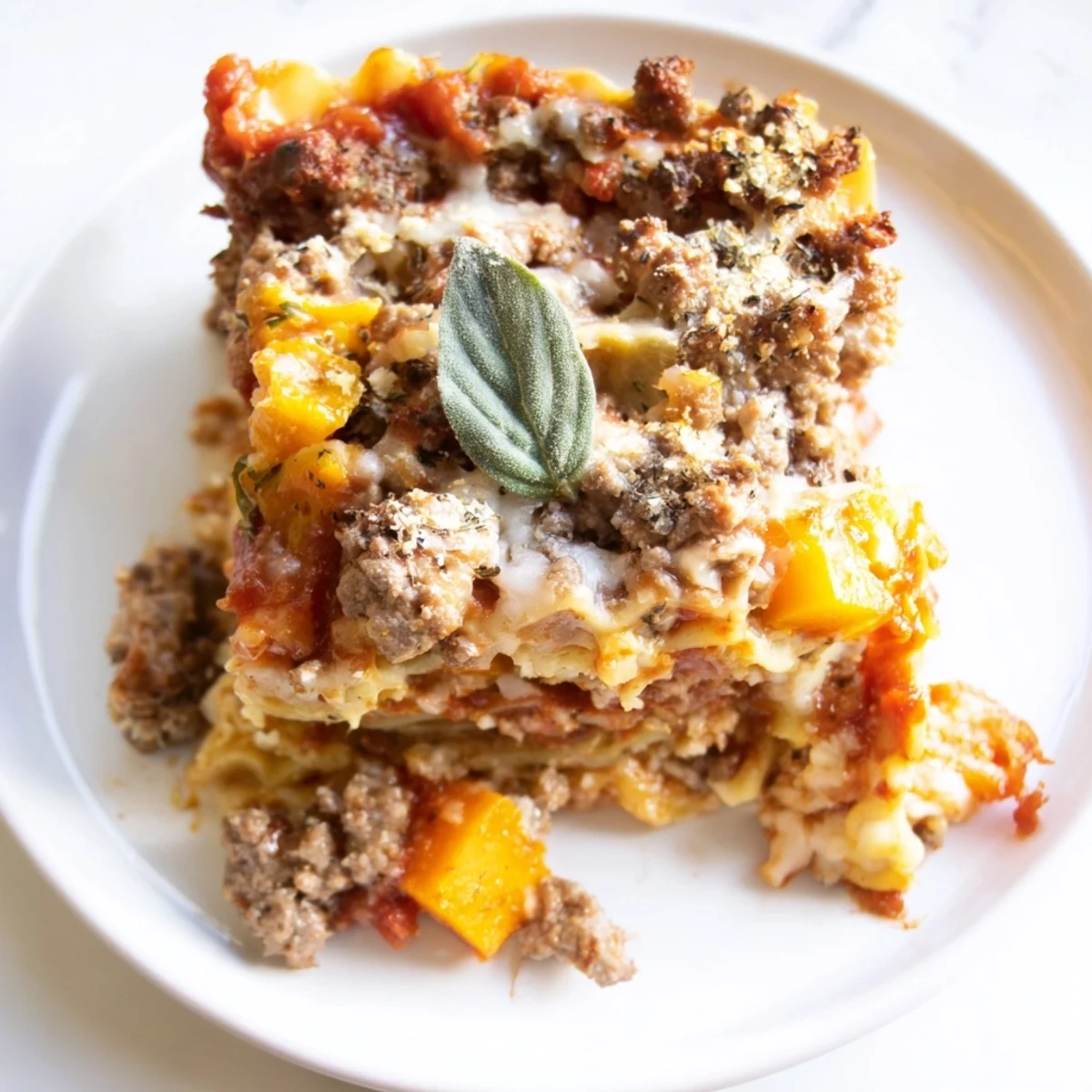
 Whether it’s a quiet weeknight or a festive dinner, this butternut squash sausage lasagna never fails to bring everyone to the table. Here’s to layers that surprise you, in the best way, every single time.
Questions & Answers
- → Can I use pre-cooked lasagna noodles instead of no‑boil?
-
Yes. Pre-cooked or boiled noodles work well; reduce excess moisture by patting them dry and use slightly less sauce so the layers aren’t too soggy.
- → How can I make this without pork sausage?
-
Swap Italian sausage for turkey or chicken sausage, or use crumbled tempeh or sautéed mushrooms and smoked paprika to mimic savory depth.
- → Will the squash become too soft in the bake?
-
Roasting the diced squash first caramelizes surfaces and keeps some texture. Lightly mashing but leaving chunks preserves bite after baking.
- → Why is there nutmeg in the seasonings?
-
A pinch of nutmeg brightens the ricotta and echoes autumnal squash flavors; use sparingly so it enhances without becoming dominant.
- → Can this be assembled ahead of time?
-
Yes. Assemble, cover, and refrigerate for up to 24 hours; bring to room temperature for 30 minutes before baking and add a few extra minutes to the bake time if chilled.
- → How should leftovers be stored and reheated?
-
Store in an airtight container in the fridge for 3–4 days. Reheat individual portions in a 180°C (350°F) oven until warmed through, or microwave covered for faster reheating.