
 Save to Pinterest
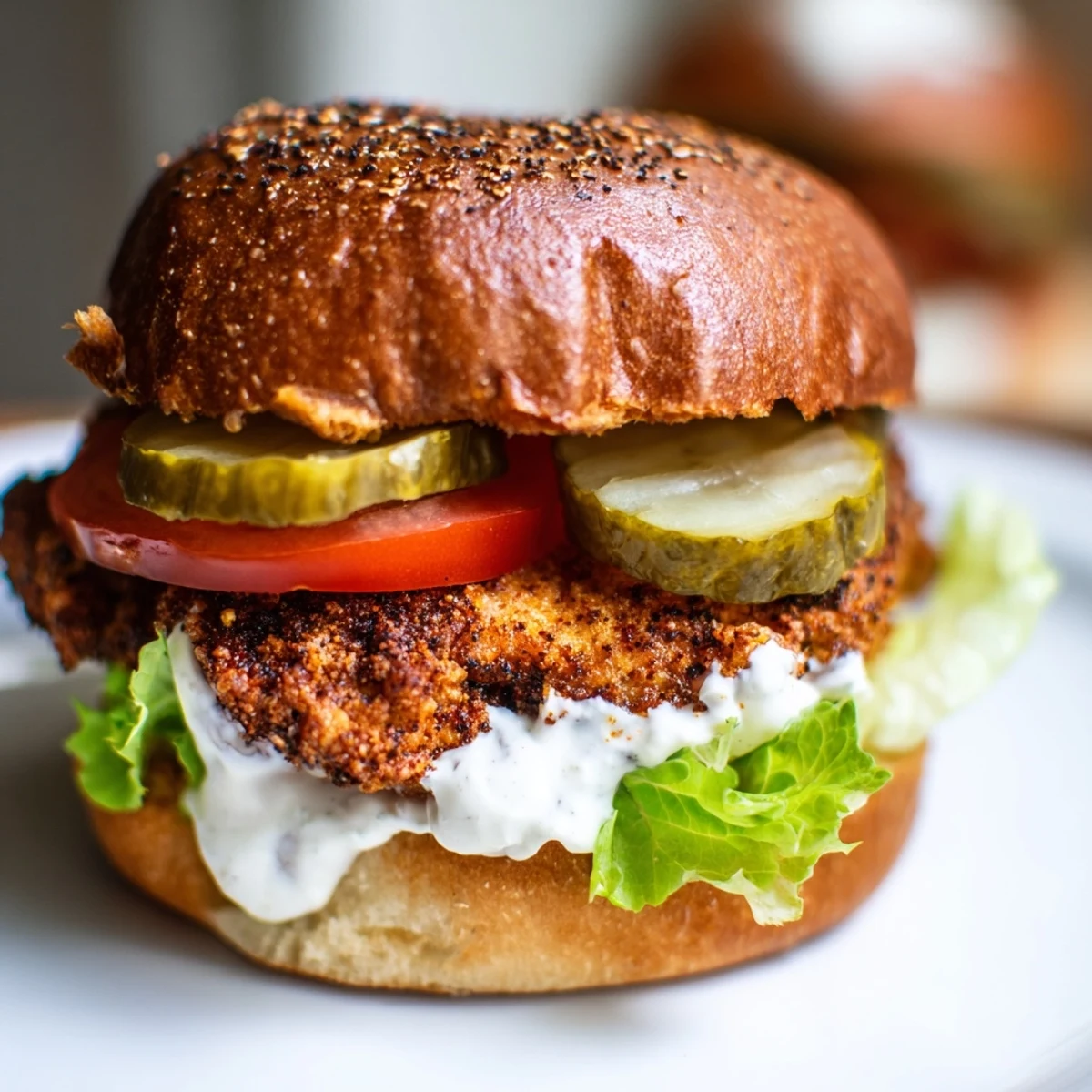
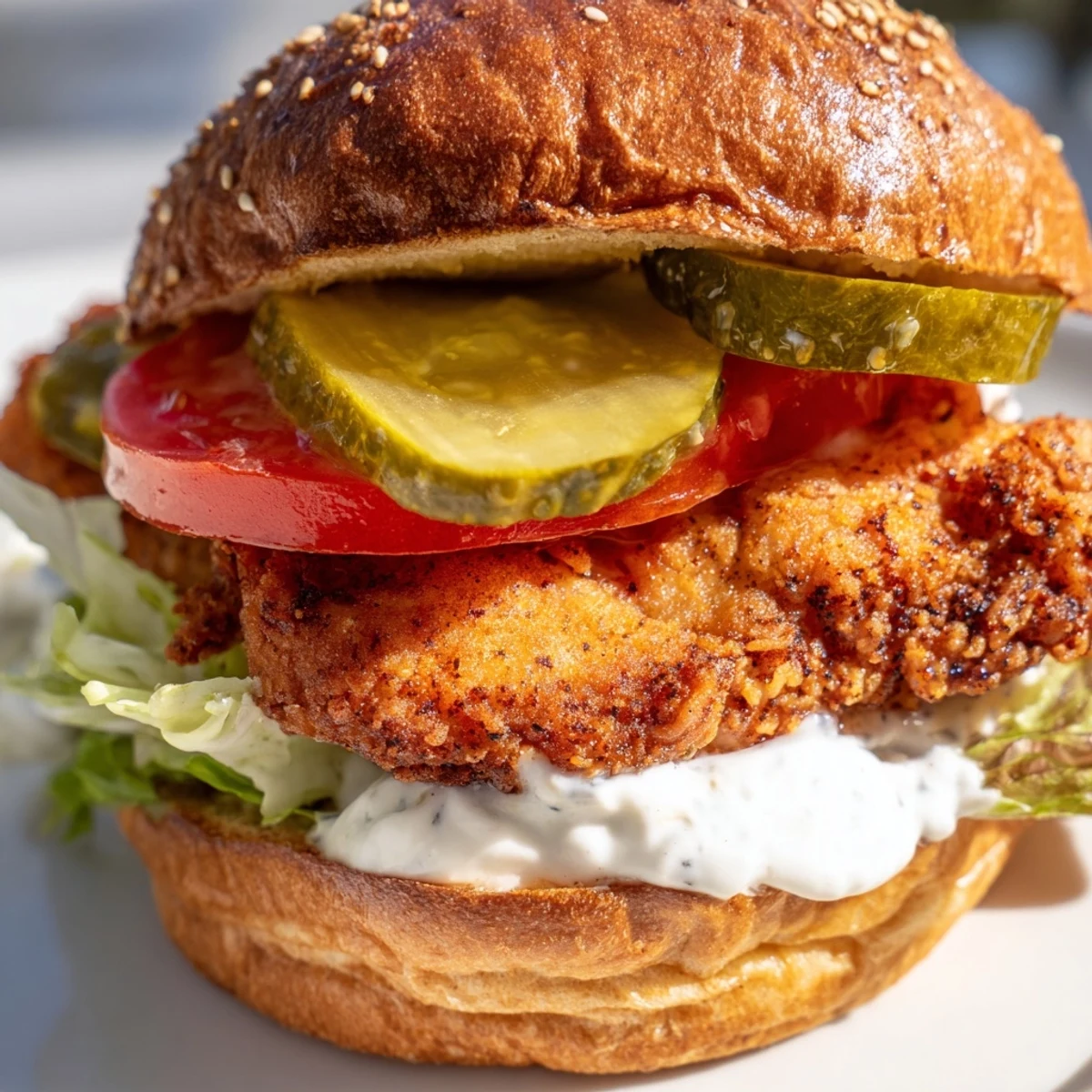
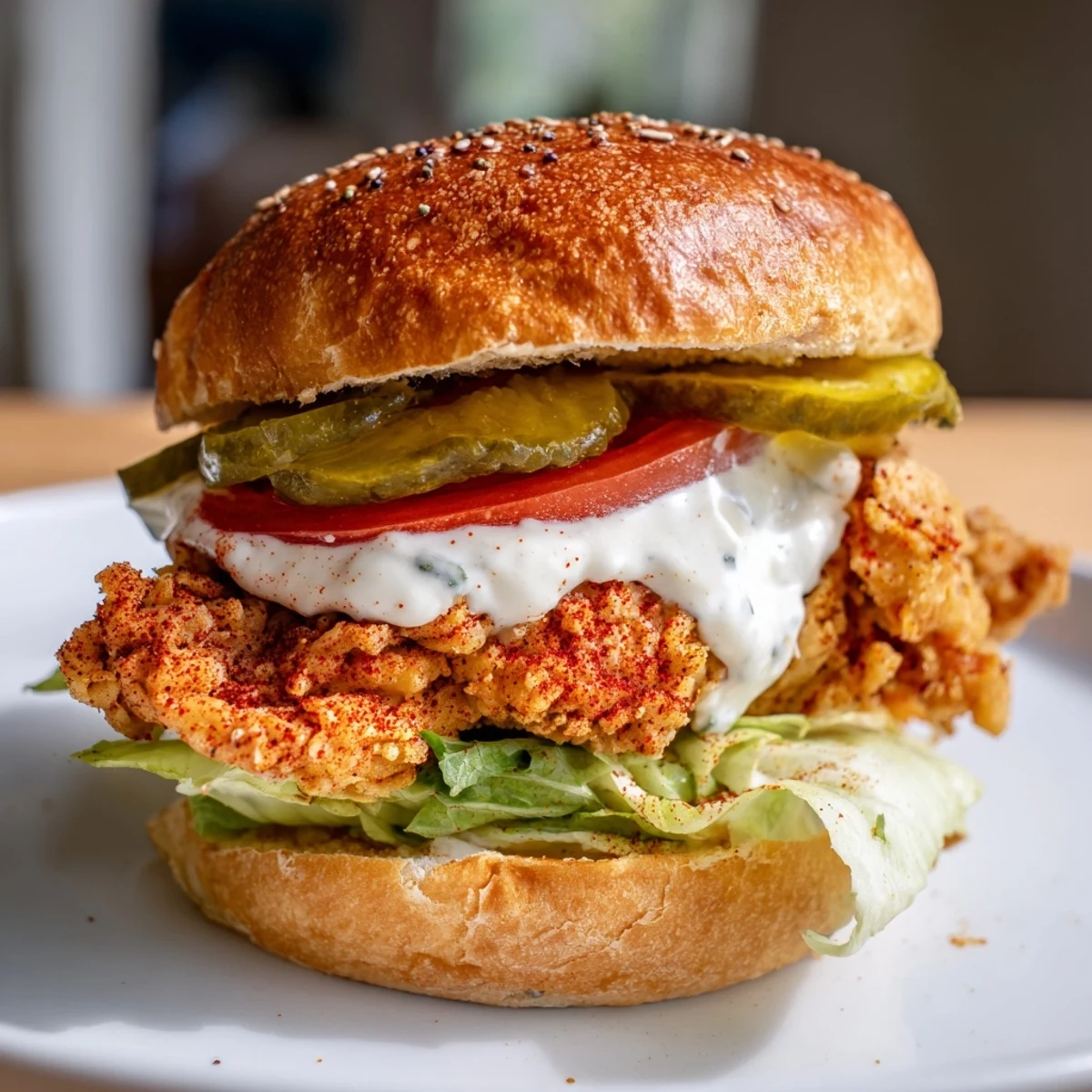
 This hearty sandwich features buttermilk-marinated chicken breasts coated in a seasoned flour blend with Cajun spices, smoked paprika, and cayenne. The chicken is fried until golden and crispy, then layered on toasted brioche with fresh lettuce, ripe tomato, tangy pickles, and a homemade garlic aioli. The result is a perfect balance of spicy, crunchy, and creamy elements that deliver restaurant-quality flavor at home.
The first time I made this sandwich, my kitchen smelled like a Louisiana roadhouse and I couldnt stop pacing while the chicken marinated. My roommate kept wandering in, asking if it was ready yet, that familiar mix of hunger and impatience filling the room. When I finally pulled that first golden breast from the oil, the sound of the crunch through the crust was absolutely perfect. Now its the sandwich that disappears first whenever friends come over for dinner.
Last summer I made these for a Fourth of July potluck and watched three grown men literally argue over the last sandwich. The spice level hits that sweet spot where you notice it but dont need milk, and the cool aioli balances everything perfectly. Someone asked for the recipe before even finishing their first bite.
Ingredients
- Boneless skinless chicken breasts: Pound them slightly to even thickness so they cook at the same speed and fit the bun beautifully
- Buttermilk: The tang tenderizes the meat and helps the flour adhere better than any other liquid I have tried
- Cajun seasoning and smoked paprika: This combination creates that deep savory flavor that makes people ask whats your secret
- Cornstarch mixed with flour: The game changing addition that makes the crust extra crispy and light instead of heavy and doughy
- Garlic for aioli: Finely mince it fresh because jarred garlic never gives you that bright punch that cuts through the fried chicken
- Brioche buns: Their slight sweetness and buttery crumb stand up to the hearty chicken without falling apart
Instructions
- Let the chicken soak up all that flavor:
- Whisk buttermilk with Cajun seasoning, smoked paprika, garlic powder, onion powder, cayenne, salt, and pepper in a bowl. Submerge the chicken breasts, cover, and refrigerate for at least 30 minutes, though four hours will make everything sing.
- Whip up the garlic aioli:
- Combine mayonnaise, minced garlic, lemon juice, Dijon mustard, salt, and pepper in a small bowl. Let it hang out in the refrigerator so the flavors meld while you prep everything else.
- Get your coating station ready:
- Mix flour and cornstarch in a shallow dish until completely combined. Lift each chicken breast from the marinade, let the excess drip off, and press firmly into the flour mixture until thoroughly coated.
- Fry until golden perfection:
- Heat about an inch of vegetable oil to 350°F and carefully lay in the chicken. Cook for 5 to 7 minutes per side, listening for that satisfying sizzle, until the crust is deep golden and the meat reaches 165°F inside. Drain on a wire rack instead of paper towels to keep the bottom crust from getting soggy.
- Build your masterpiece:
- Spread garlic aioli on both toasted bun halves. Layer lettuce on the bottom, nestle the hot chicken on top, add tomato slices and pickles, then crown with the top bun and serve while the chicken is still audibly crunchy.
 Save to Pinterest
 My daughter now requests these for her birthday dinner every year instead of cake. Something about that combination of hot crunchy chicken, cool creamy aioli, and crisp vegetables just hits different.
Mastering the Marinade
I have found that marinating overnight completely transforms the texture of the chicken. The buttermilk works its way deep into the meat, creating moisture that survives the hot oil bath without any weird stringy texture. Plus, the spices penetrate so thoroughly that every bite is seasoned, not just the surface.
Oil Temperature Secrets
Invest in an inexpensive thermometer for frying because guessing temperature is why so many homemade fried foods turn out greasy. When the oil is too cool, the chicken absorbs fat and gets heavy. When it is too hot, the crust burns before the meat cooks through. That sweet spot around 350°F is absolutely worth monitoring.
Make Ahead Magic
You can marinate the chicken up to 24 hours in advance and mix the aioli two days before serving. The flour mixture sits happily in a sealed container for weeks, so consider making extra for future cravings. Just bread the chicken immediately before frying.
- Toast the buns while the chicken fries so everything comes together at the same temperature
- Keep fried chicken warm in a 200°F oven for up to 30 minutes if you are feeding a crowd
- Extra aioli keeps for a week and is amazing on burgers, fries, or roasted vegetables
 Save to Pinterest
 There is something deeply satisfying about biting into a sandwich you built from scratch, where every element came from your own kitchen. This one has become my answer to everything from casual weeknight dinners to feeding hungry crowds after a long day.
Questions & Answers
- → How spicy is this sandwich?
-
The heat level is medium, coming from Cajun seasoning and cayenne pepper. You can easily adjust the spice by reducing or increasing the cayenne amount to suit your preference.
- → Can I bake the chicken instead of frying?
-
Yes! Bake the breaded chicken at 425°F for 20-25 minutes, flipping halfway through. The coating will still get crispy, though it won't be quite as crunchy as the fried version.
- → How long should I marinate the chicken?
-
Marinate for at least 30 minutes, but up to 4 hours for deeper flavor penetration. The buttermilk helps tenderize the chicken while the spices infuse throughout.
- → What sides pair well with this sandwich?
-
Sweet potato fries, coleslaw, or potato salad make excellent accompaniments. The cool creaminess of coleslaw particularly complements the spicy chicken.
- → Can I make the aioli ahead of time?
-
Absolutely! The garlic aioli can be prepared up to 3 days in advance and stored in the refrigerator. The flavors actually develop and meld better after sitting for a while.
- → What's the best way to get extra crunch?
-
Double-dip the chicken by returning it to the buttermilk after the first flour coating, then dredge again in the flour mixture. This creates a thicker, extra-crispy crust.