
 Save to Pinterest
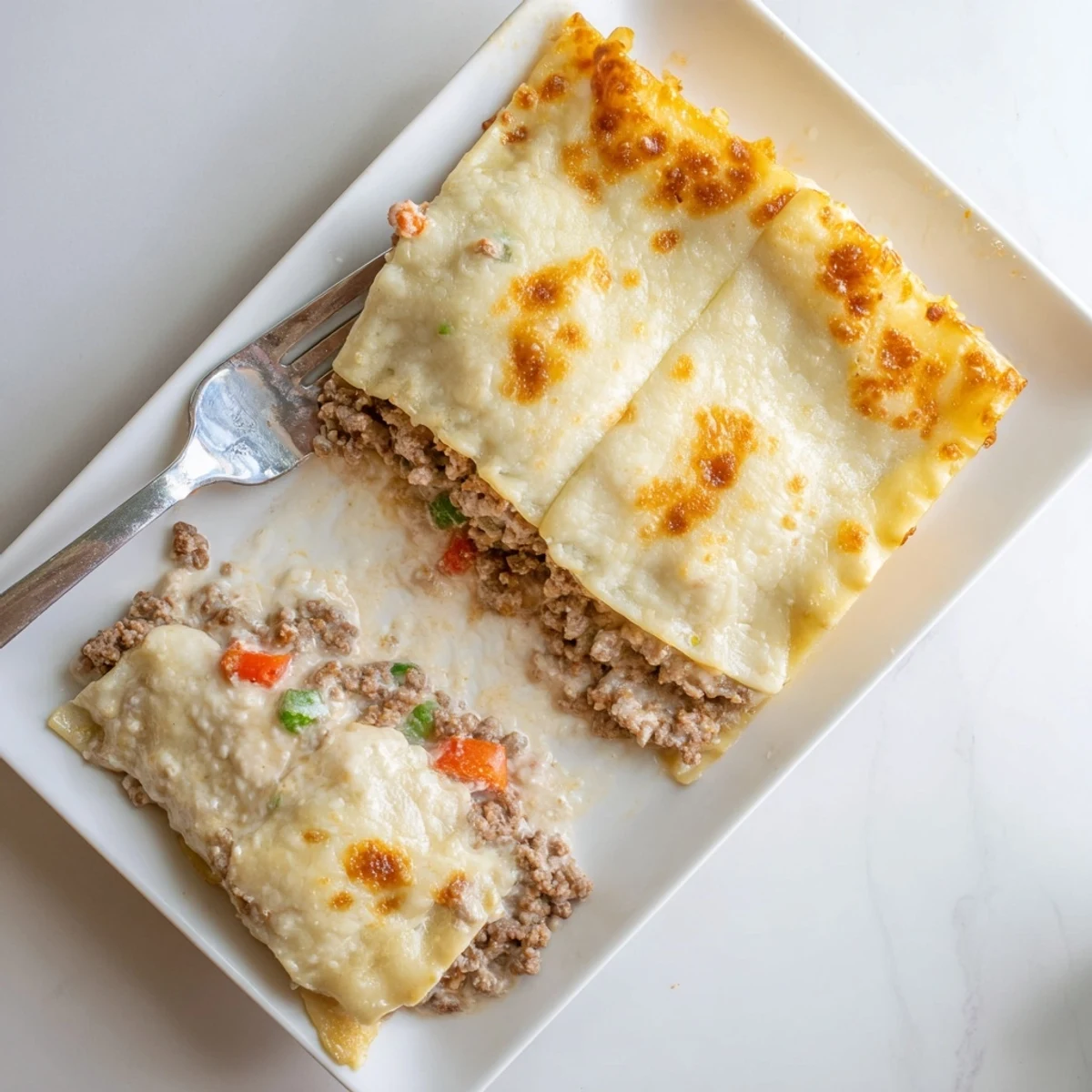
 This traditional Italian dish combines slow-simmered beef ragù with aromatic vegetables, herbs, and wine. The creamy homemade béchamel sauce adds richness while the melted cheese topping creates a satisfying golden crust. Perfect for family dinners and gatherings, this lasagne improves with time, making it ideal for preparing ahead.
The smell of onions, carrots, and celery sizzling in olive oil still takes me back to my tiny apartment kitchen, where I first attempted lasagne and accidentally set off the smoke detector while caramelizing vegetables too enthusiastically. My neighbors actually knocked to see if everything was okay, which turned into them being invited over for dinner once the lasagne emerged bubbling and golden from the oven. That slightly chaotic evening taught me that good food brings people together, even when the cooking process involves a few mishaps along the way.
Last winter I made this for a friend recovering from surgery, and she messanced me three days later asking if there was any hidden ingredient because she had never tasted lasagne with such depth of flavor. The secret turned out to be patience, letting the ragù simmer until it thickened into something that coats the back of a spoon, and taking the time to properly warm the milk before whisking it into the roux. Her five-year-old son even asked for seconds, which honestly felt like the highest compliment I have received in years.
Ingredients
- 2 tablespoons olive oil: The foundation of your ragù, use a good quality one since it carries the flavor of your aromatics
- 1 large onion, finely chopped: Sweet onions work beautifully here, they melt into the sauce as they cook
- 2 carrots, diced: These add natural sweetness and balance the acidity of the tomatoes
- 2 celery stalks, diced: Essential for that classic Italian soffritto base that builds depth
- 3 garlic cloves, minced: Add these after the vegetables soften so they do not burn and turn bitter
- 750 g (1.7 lbs) ground beef: Look for meat with some fat content, it makes the sauce richer and more flavorful
- 2 tablespoons tomato paste: Cook this with the beef for a couple minutes to develop its natural sweetness
- 800 g (28 oz) canned crushed tomatoes: San Marzano tomatoes are worth seeking out for their sweet, balanced flavor
- 125 ml (½ cup) dry red wine: Pinot Noir or Chianti works well, the alcohol cooks off but leaves complexity behind
- 1 teaspoon dried oregano: Dried herbs actually work better here than fresh for the long simmer time
- 1 teaspoon dried basil: Add this midway through cooking to preserve its aromatic qualities
- 1 teaspoon salt: Season gradually and taste as you go, you can always add more
- ½ teaspoon black pepper: Freshly cracked pepper makes a noticeable difference
- 1 teaspoon sugar (optional): If your tomatoes taste acidic, this helps balance everything out
- 60 g (¼ cup) unsalted butter: Unsalted butter lets you control the seasoning in your béchamel
- 60 g (½ cup) all-purpose flour: This is what thickens your sauce, whisk it thoroughly to prevent lumps
- 800 ml (3⅓ cups) whole milk, warmed: Warming the milk helps it incorporate smoothly without shocking the roux
- ¼ teaspoon ground nutmeg: Just a hint adds that classic béchamel flavor people love but cannot quite identify
- ½ teaspoon salt: White pepper keeps the sauce pristine looking, though black works fine too
- 12 no-boil lasagne sheets: These absorb moisture from the sauce as they bake, creating perfectly tender layers
- 150 g (1½ cups) grated mozzarella cheese: Low moisture mozzarella gives you that perfect stretch without making the lasagne watery
- 60 g (½ cup) grated Parmesan cheese: Use authentic Parmigiano Reggiano if possible, it has a sharper, more complex flavor
Instructions
- Build your flavor foundation:
- Heat olive oil in a large skillet over medium heat and add onion, carrot, and celery. Sauté for 6–8 minutes until the vegetables are softened and fragrant, taking your time since this forms the base of your entire sauce.
- Add the aromatics and beef:
- Stir in garlic and cook for just 1 minute until fragrant, then add ground beef. Cook, breaking up the meat with your spoon, until thoroughly browned and no longer pink.
- Develop depth with tomato paste:
- Add tomato paste and cook for 2 minutes, stirring constantly, until it darkens slightly and smells caramelized. Pour in wine and let it simmer until mostly evaporated, leaving behind its concentrated flavor.
- Simmer the ragù:
- Add crushed tomatoes, oregano, basil, salt, pepper, and sugar if using. Simmer uncovered for 30–40 minutes, stirring occasionally, until the sauce thickens enough to coat a spoon.
- Start the béchamel base:
- Melt butter in a saucepan over medium heat, then add flour and whisk constantly for 1–2 minutes. The mixture should bubble but not darken.
- Create the creamy sauce:
- Gradually whisk in warm milk, about a half cup at a time, allowing each addition to smooth out before adding more. Cook for 6–8 minutes, whisking constantly, until thickened enough to coat the back of a spoon.
- Season your béchamel:
- Stir in nutmeg, salt, and white pepper, then remove from heat. The sauce will continue to thicken slightly as it stands.
- Prepare for assembly:
- Preheat oven to 180°C (350°F) and get out your 23x33 cm (9x13-inch) baking dish. Spread a thin layer of ragù on the bottom to prevent noodles from sticking.
- Layer it up:
- Add a layer of lasagne sheets (break them to fit if needed), then spread about ¼ of the remaining ragù, followed by ¼ of the béchamel. Repeat three more times, finishing with a layer of béchamel on top.
- Add the finishing touch:
- Sprinkle mozzarella and Parmesan evenly over the top layer of béchamel. Cover loosely with foil, tenting it slightly so cheese does not stick.
- Bake to golden perfection:
- Bake covered for 30 minutes, then remove foil and bake for an additional 15–20 minutes until the cheese is golden brown and the sauce is bubbling around the edges.
- The hardest part:
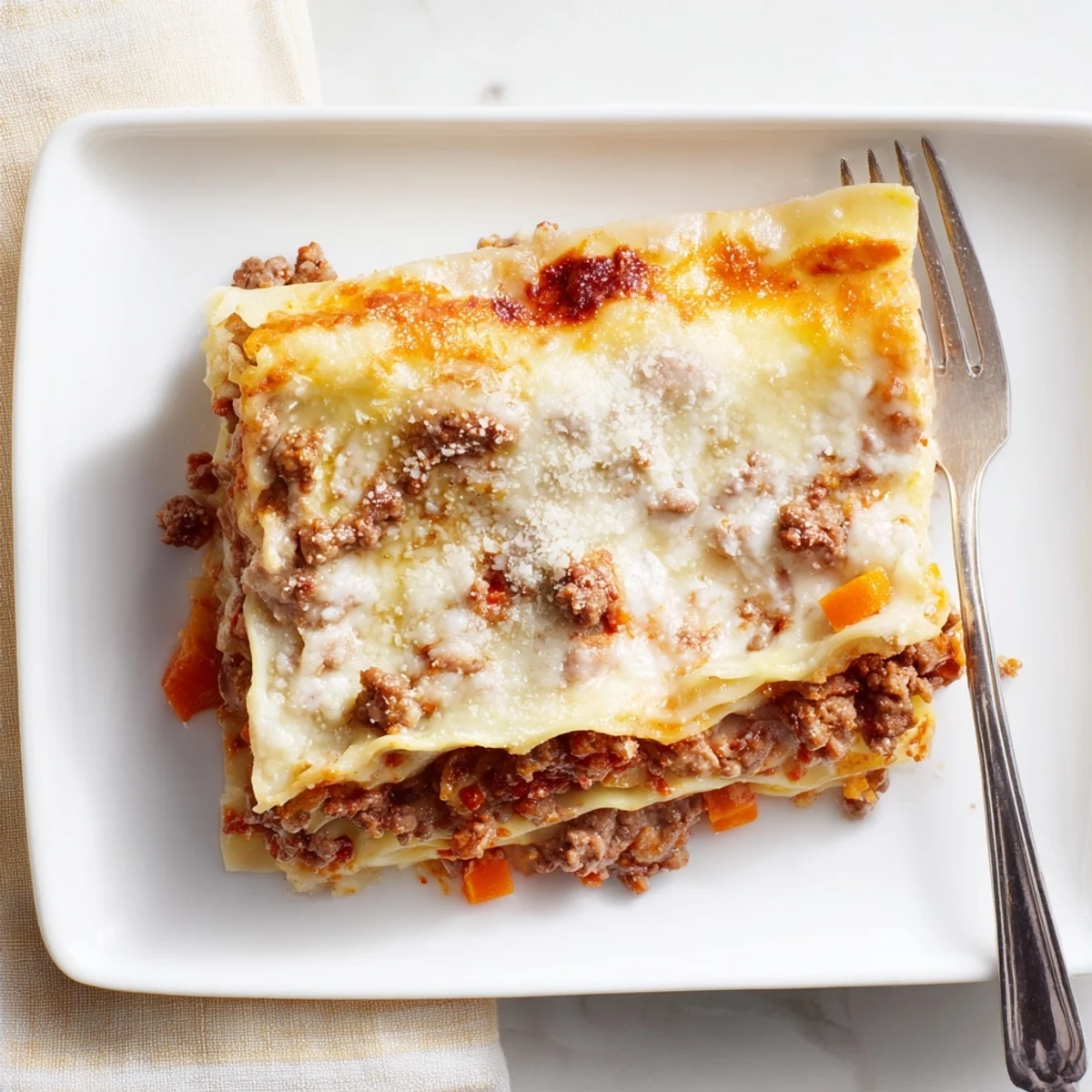
- Let lasagne rest for 15 minutes before slicing. This feels like forever when you are hungry, but it allows layers to set so you get clean, beautiful servings instead of a messy slide.
 Save to Pinterest
 My sister requested this for her birthday dinner instead of a restaurant meal, which made me realize that the time and care put into homemade lasagne really does translate to the people eating it. There is something about pulling that bubbling dish from the oven that feels like an act of love, especially when the house smells like tomatoes, cheese, and comfort all mingled together.
Making Ahead Like a Pro
You can assemble the entire lasagne up to 24 hours ahead, cover tightly, and refrigerate before baking. Add about 10 minutes to the covered baking time if baking cold from the refrigerator. This actually allows flavors to meld and develop, making it taste even better.
Freezing Instructions
Wrap the unbaked lasagne tightly in plastic wrap, then foil, and freeze for up to 3 months. Thaw overnight in the refrigerator before baking, or bake from frozen adding about 30 minutes to the covered baking time. Alternatively, bake the lasagne completely, cool, cut portions, and freeze individually for easy weeknight dinners.
Serving Suggestions
A crisp green salad with a bright vinaigrette cuts through the richness of the lasagne beautifully. Crusty garlic bread is practically mandatory for soaking up any extra sauce on your plate.
- Open a bottle of Chianti or Sangiovese, the acidity and fruitiness balance the hearty beef and creamy cheese
- Let guests add crushed red pepper flakes at the table if they like a bit of heat
- Small portions go a long way, this is genuinely filling stuff
 Save to Pinterest
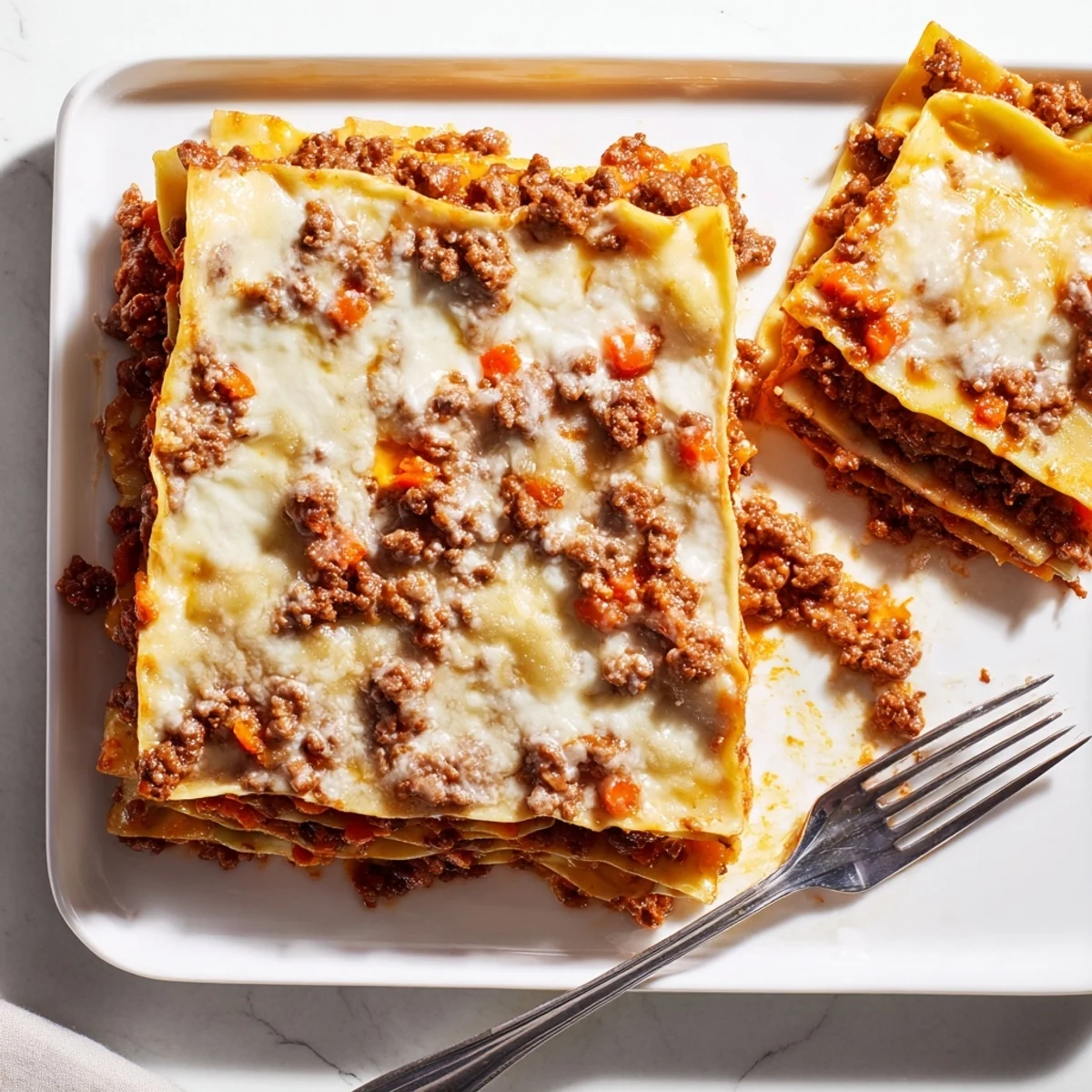
 There is nothing quite like the moment you slide that first serving from the pan, seeing all those distinct layers you so carefully built, and knowing something wonderful is about to happen. Enjoy every bite of this classic.
Questions & Answers
- → Can I make lasagne ahead of time?
-
Yes, assemble up to 24 hours in advance and refrigerate. Add 10-15 minutes to baking time if cooking from cold.
- → Why let lasagne rest before serving?
-
Resting allows layers to set, making clean slices easier and ensuring sauces stay in place when cut.
- → Can I freeze leftover lasagne?
-
Cool completely, wrap tightly in plastic and foil, and freeze up to 3 months. Thaw overnight before reheating.
- → What pasta works best?
-
No-boil sheets absorb sauces beautifully during baking. Fresh pasta works too—reduce baking time by 10 minutes.
- → How do I know when it's done?
-
The cheese should be golden and bubbly, and the center hot when tested with a knife. Let rest 15 minutes before serving.
- → Can I substitute the meat?
-
Mix ground pork or veal with beef for depth. For a lighter version, use half beef, half turkey or chicken.