
 Save to Pinterest
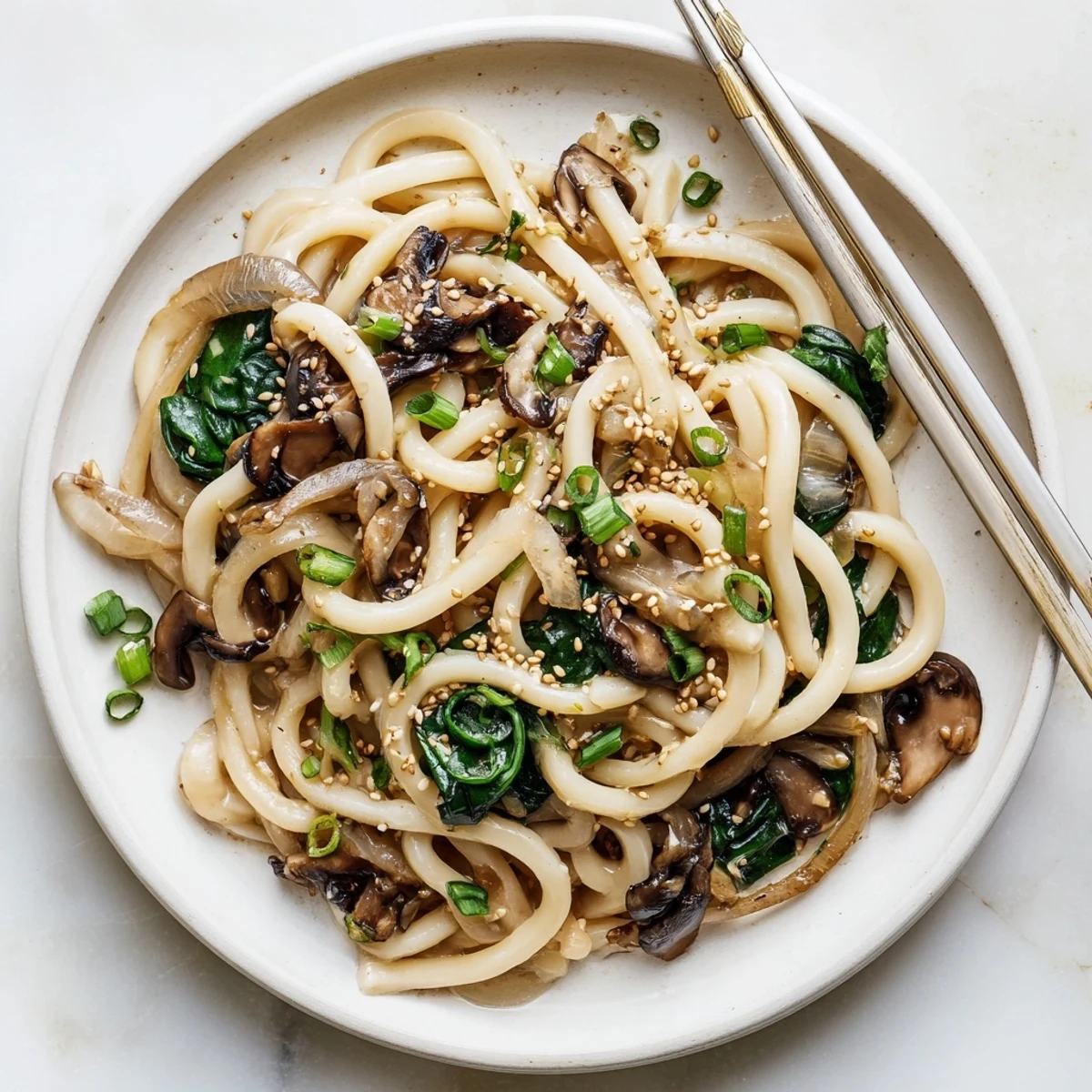
 Indulge in restaurant-quality Japanese comfort food at home with these silky udon noodles coated in a luscious miso-infused cream sauce. The combination of earthy shiitake mushrooms, fresh baby spinach, and aromatic ginger and garlic creates layers of umami flavor that perfectly complement the thick, chewy noodles.
Ready in under 30 minutes, this versatile dish works beautifully as a quick weeknight dinner or impressive weekend meal. The sauce strikes an ideal balance between salty miso, nutty sesame, and rich cream, while vegetables add color and nutrition. Top with crunchy sesame seeds and fresh green onions for texture and visual appeal.
The first time I made this miso udon, I was snowed in during a particularly brutal February and craving something that felt like a warm embrace but wasnt the usual tomato soup. I had half a tub of white miso staring at me from the refrigerator door and some frozen udon noodles buried in the freezer, and the combination turned into one of those happy kitchen accidents that completely shifts how you cook. The way the cream mellows out the misos sharp saltiness while still letting that incredible umami character shine through made me realize this was going to become a permanent rotation in my weeknight dinner arsenal.
I served this to my friend Mark who claims to despise miso anything, watching him hesitantly take that first bite before immediately asking for seconds and then demanding the recipe. Theres something deeply satisfying about watching someone discover that an ingredient they thought they hated can actually be transformative when paired with the right elements, and seeing him scrape the plate clean was all the validation I needed that this recipe was a keeper.
Ingredients
- 200 g fresh or frozen udon noodles: These thick chewy noodles are perfect for grabbing onto that luscious cream sauce, and they have such a satisfying bounce that makes every bite feel substantial
- 1 tablespoon neutral oil: You want something that wont compete with the delicate flavors, so reach for canola or sunflower oil
- 1 small onion, thinly sliced: Thin slices mean theyll melt into the sauce and become part of the creamy background rather than distinct pieces
- 1 cup shiitake mushrooms, sliced: These bring an earthy quality that plays beautifully with the miso and adds little pockets of meaty texture
- 1/2 cup baby spinach leaves: They wilt down almost instantly and add a fresh pop of color that makes the dish feel lighter than it actually is
- 2 tablespoons white miso paste: White miso is sweeter and milder than red varieties, making it perfect for cream sauce applications
- 2 teaspoons soy sauce: This adds an extra layer of saltiness and depth that complements the miso without overpowering it
- 1 teaspoon sesame oil: Just enough to give you that gorgeous sesame aroma in the background
- 1 teaspoon grated ginger: Fresh ginger brings a bright heat that cuts through the richness of the cream
- 1 clove garlic, minced: One clove is plenty since garlic can bully other flavors when its swimming in cream
- 200 ml heavy cream: This creates that luxurious velvety texture, but coconut cream works beautifully if you need it to be vegan
- 60 ml water: This helps thin the sauce just enough so it coats the noodles instead of sitting on top
- 1 tablespoon sliced green onions: Fresh oniony brightness on top makes everything taste alive
- 1 teaspoon toasted sesame seeds: These little nutty pops add texture and visual appeal
- Chili flakes: Optional but I honestly think a tiny bit of heat makes all these creamy flavors sing
Instructions
- Get your noodles going first:
- Cook the udon noodles according to package instructions, drain them, and set them aside. I usually throw them into the colander and give them a quick rinse with cool water so they dont keep cooking and stick together while I work on everything else.
- Start building your flavor base:
- Heat that neutral oil in a large skillet over medium heat, then add your sliced onion and cook for about 2 minutes until it starts softening and turning translucent. Youre not looking for caramelization here, just taking the raw edge off.
- Add the mushrooms:
- Throw in those sliced shiitake mushrooms and sauté for 3 to 4 minutes until theyre tender and have released most of their moisture. The pan should start smelling pretty incredible at this point.
- Bloom the aromatics:
- Stir in your minced garlic and grated ginger, cooking for just 1 minute until the air fills with that gorgeous fragrant smell. Watch carefully because garlic can go from perfect to burnt in about 30 seconds.
- Whisk up your sauce:
- In a bowl, whisk together the miso paste, soy sauce, sesame oil, heavy cream, and water until completely smooth. The miso might be stubborn at first but keep whisking and itll dissolve into a silky liquid.
- Bring it all together:
- Pour the sauce mixture into your skillet with the vegetables and bring to a gentle simmer. Cook for 2 to 3 minutes, stirring frequently, until the sauce thickens slightly and coats the back of a spoon.
- Combine everything:
- Add your cooked noodles and baby spinach to the skillet, tossing everything together until the noodles are well coated and the spinach has wilted into the sauce. The spinach should only take about 30 seconds to wilt.
- Taste and adjust:
- This is your moment to taste the dish and see if it needs anything extra. Sometimes I add a splash more soy sauce or a pinch of chili flakes depending on my mood.
- Finish and serve:
- Serve immediately while the sauce is still creamy and glossy, topped with those fresh green onions, sesame seeds, and chili flakes if you like a little kick.
 Save to Pinterest
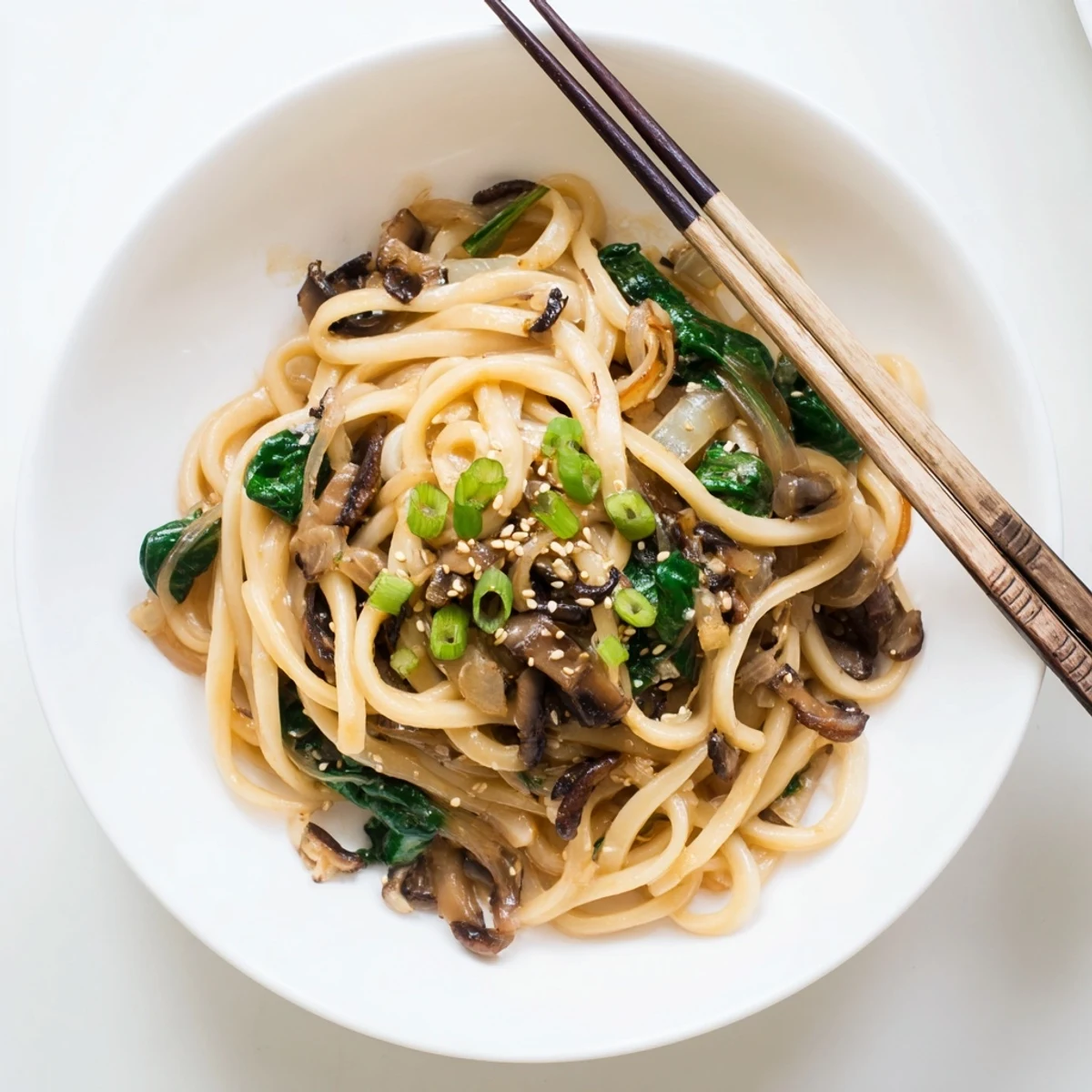
 This has become my go-to dinner when friends surprise me with a visit because it comes together so quickly but looks and tastes like something from a proper Japanese restaurant. Theres something about those thick chewy noodles coated in that miso cream sauce that makes people slow down and really savor each bite, conversations pausing as everyone has that first moment of pure comfort food bliss.
Making It Your Own
Once youve made this a few times, youll start seeing opportunities to adapt it based on what you have around. Ive made versions with snap peas and corn in summer, or added cubes of crispy fried tofu when I wanted something more substantial. The beauty of this sauce base is that it plays nicely with almost any vegetable you throw at it.
The Noodle Game
While fresh udon is absolutely ideal here, Ive definitely made this with dried udon in a pinch and it still delivers plenty of comfort. The key is not overcooking the noodles since theyll spend a bit of time in that hot sauce at the end, and you want them to maintain that satisfying chewy texture instead of turning into mush.
Sauce Secrets
The trick to getting that restaurant quality gloss on your sauce is whisking the miso paste with a small amount of the warm liquid first to create a smooth paste before adding the cream. I learned this after one too many batches where I ended up with tiny miso flecks floating in my sauce instead of that perfectly smooth velvety texture I was chasing.
- Keep your cream cold until youre ready to use it, it helps the sauce emulsify better
- If the sauce breaks, whisk in a teaspoon of cold water and it usually comes back together
- A splash of rice vinegar at the end can brighten everything up beautifully
 Save to Pinterest
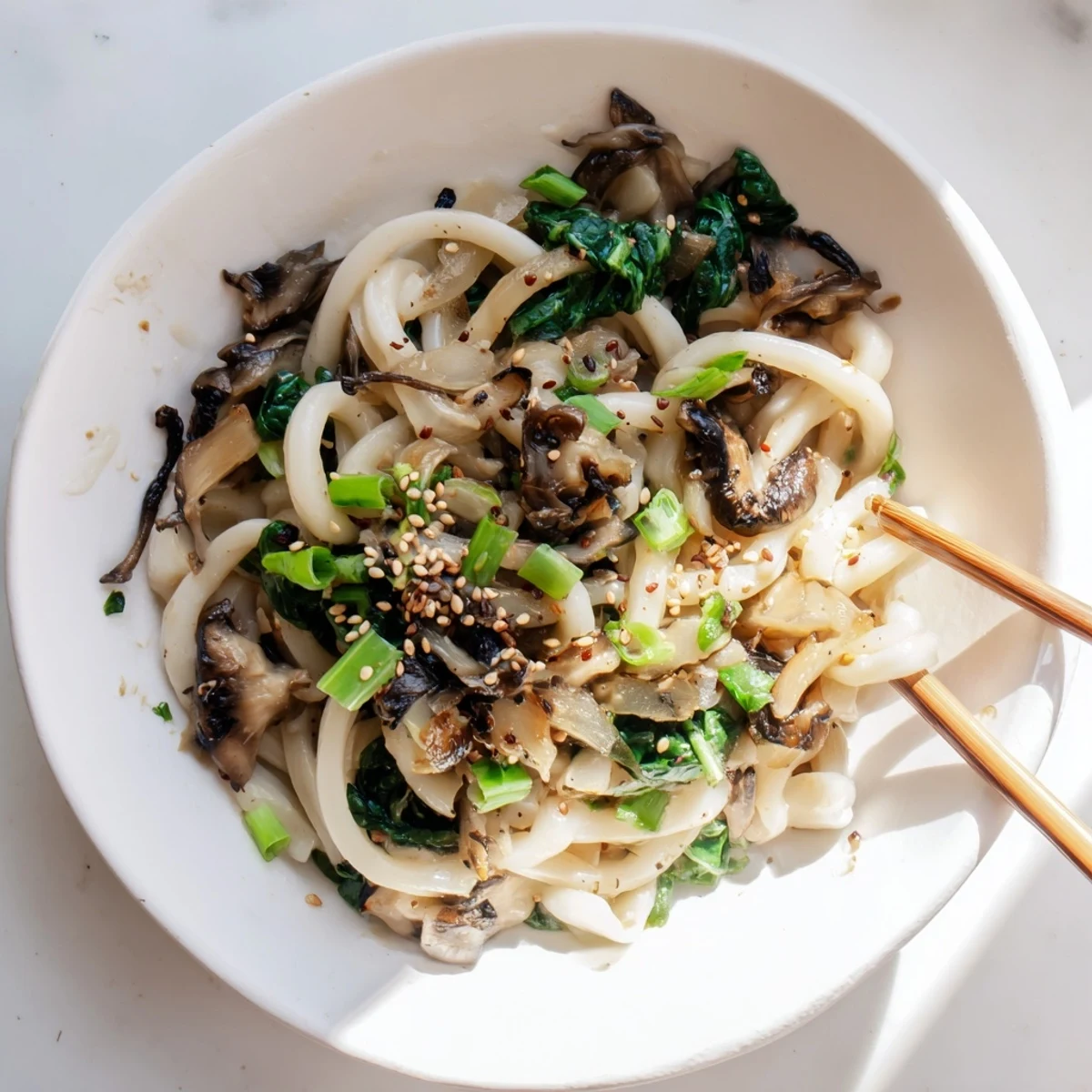
 Theres nothing quite like curling up with a steaming bowl of this noodles on a rainy evening, the aroma of ginger and miso filling the kitchen. Its the kind of meal that makes you feel cared for even when youre the one doing the cooking.
Questions & Answers
- → Can I make this dish vegan?
-
Absolutely. Substitute the heavy cream with your preferred plant-based cream alternative such as coconut cream, cashew cream, or oat cream. Ensure your udon noodles are egg-free, as some varieties contain eggs.
- → What vegetables work best in this noodle dish?
-
Shiitake mushrooms provide excellent umami flavor and meaty texture. Other great options include bok choy, snap peas, carrots, bell peppers, or broccoli. Choose vegetables that maintain some crunch when cooked briefly.
- → How do I store and reheat leftovers?
-
Store cooled noodles in an airtight container in the refrigerator for up to 3 days. The sauce will thicken when cold. Reheat gently in a skillet over low heat, adding a splash of water or cream to loosen the sauce. Avoid microwaving as the noodles may become gummy.
- → Can I use different types of noodles?
-
While udon's thick texture perfectly holds the creamy sauce, you can substitute with ramen noodles, soba, or even linguine. Adjust cooking time according to package instructions and note that thinner noodles may absorb sauce more quickly.
- → Is white miso paste necessary?
-
White miso offers a milder, slightly sweet flavor ideal for cream sauces. Red miso will work but provides a stronger, more intense taste. If using other miso varieties, start with less and adjust to your preference.
- → How can I add more protein?
-
Crispy tofu cubes, pan-seared chicken strips, or sautéed shrimp make excellent additions. Edamame, chickpeas, or cashews also provide plant-based protein while complementing the Japanese flavors.