
 Save to Pinterest
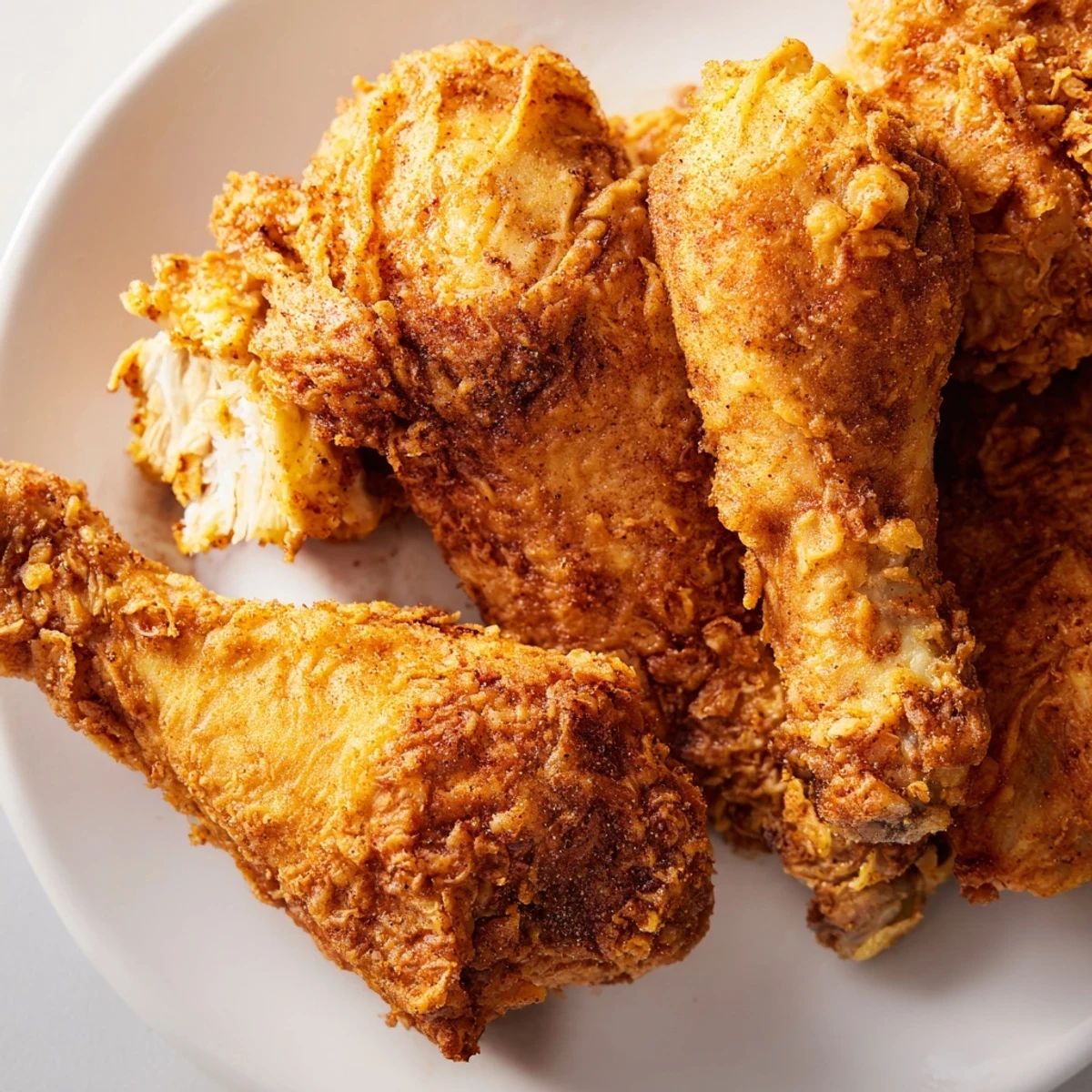
 Master the art of authentic Southern fried chicken with this time-tested method. The secret lies in a four-hour buttermilk soak that tenderizes and flavors the meat, followed by a generous coating of flour seasoned with paprika, garlic, and cayenne. Fried at 350°F until golden brown and crisp, each piece delivers that signature crunch giving way to incredibly juicy meat.
Plan ahead as the marinating step is essential for maximum tenderness and flavor penetration. The total time commitment yields restaurant-quality results perfect for Sunday dinner or special occasions. Double-dipping creates an extra thick crust for those who love maximum crunch.
My grandmother never measured anything when making fried chicken, but somehow hers always turned out impossibly crispy and juicy. I spent years trying to decode her technique, watching her hands more than her recipe cards. The secret turned out to be patience and knowing when the oil whispers that it is ready.
I made this for a Super Bowl party years ago, expecting leftovers, and watched grown men actually fight over the last drumstick. Something happens when you serve homemade fried chicken, it turns a regular Tuesday into a celebration.
Ingredients
- Whole chicken cut into pieces: Dark meat stays juicier longer, but white meat cooks faster so keep an eye on it
- Buttermilk: The acidity tenderizes the meat and creates that signature Southern flavor profile
- Hot sauce: Even a tiny kick wakes up the marinade without making the chicken spicy
- All purpose flour: Do not use bread flour or the coating gets too thick and doughy
- Paprika: Adds that beautiful golden color everyone associates with perfect fried chicken
- Garlic and onion powder: Use powder, not fresh salt here for even seasoning in every bite
- Cayenne pepper: Start with less if you are heat sensitive, you can always add more
- Vegetable or peanut oil: Peanut oil handles high heat better but costs more
Instructions
- Marinate the chicken:
- Whisk buttermilk with hot sauce, salt, and pepper until combined. Submerge chicken pieces completely and refrigerate at least 4 hours, though overnight makes the best results.
- Mix the coating:
- Combine flour with all the spices in a shallow dish where you can easily press chicken into the mixture.
- Prepare for frying:
- Let excess marinade drip off but do not pat dry. The moisture helps the flour stick and create those delicious craggy bits.
- Dredge thoroughly:
- Press each piece into the flour mixture, making sure every surface is coated. Set on a wire rack while the oil heats.
- Heat the oil:
- Bring oil to 350°F in a heavy skillet or deep fryer. If you do not have a thermometer, drop in a pinch of flour when it sizzles immediately but does not burn.
- Rest before serving:
- Drain on a wire rack instead of paper towels to keep the crust crispy. Let rest 5 minutes so the juices redistribute.
 Save to Pinterest
 My brother who claims to dislike fried chicken once ate six pieces at a family reunion, standing by the stove the whole time. Sometimes the simplest food creates the biggest memories.
Getting The Crust Right
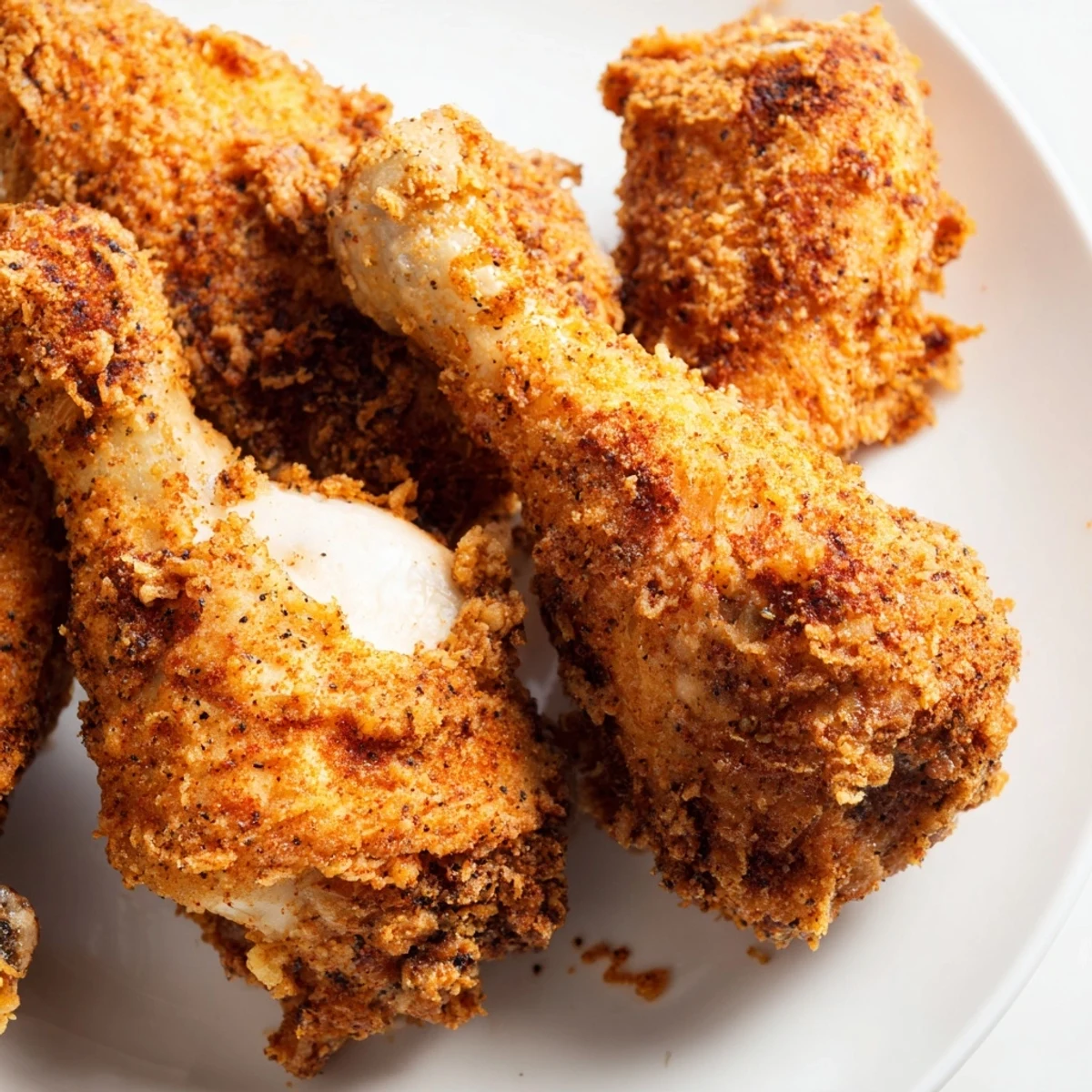
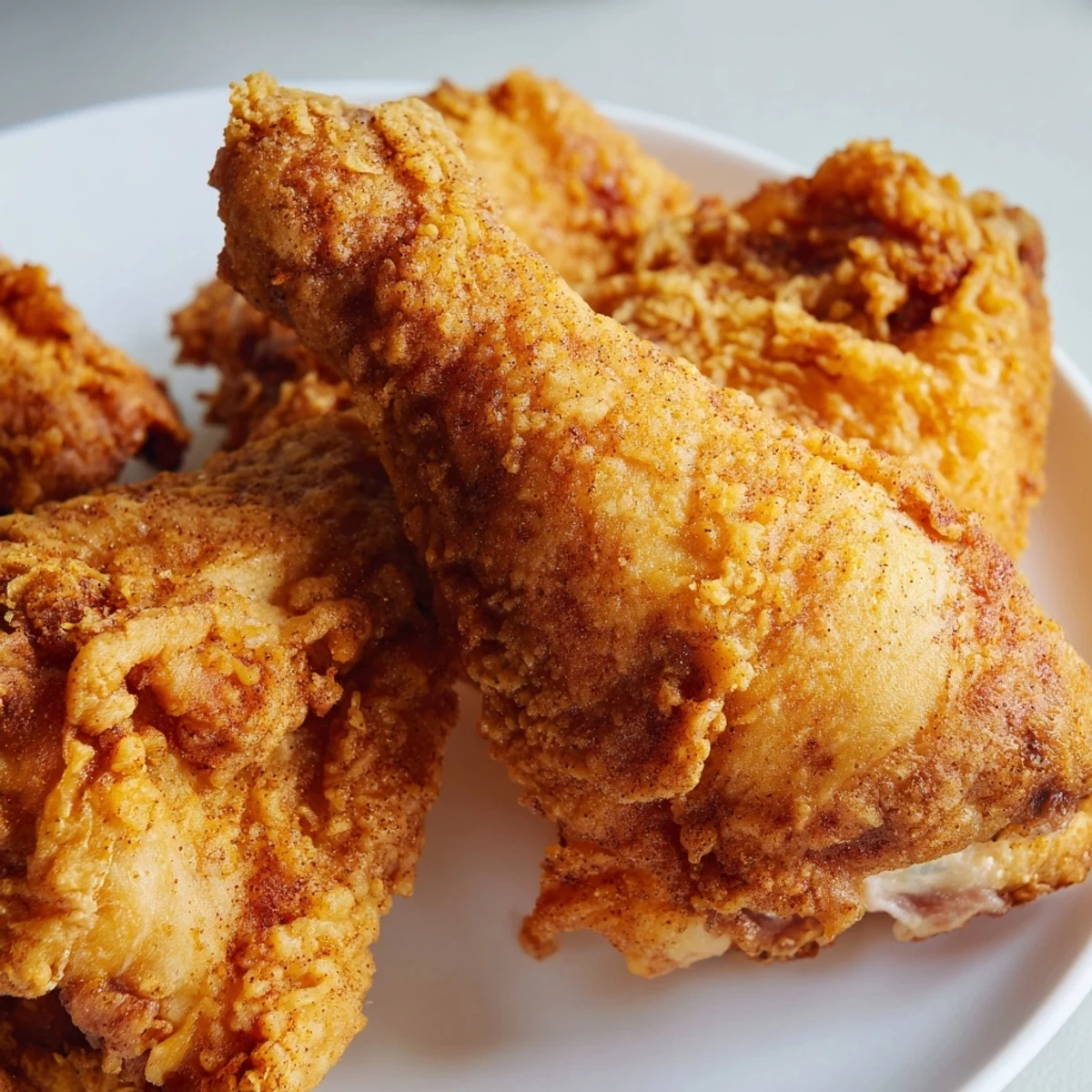
The crust should be uneven and craggy, not smooth like frozen chicken. Press the flour into the meat firmly and shake off only the loose excess. That irregular surface creates more crispy areas, which is what you actually want.
Temperature Control
Too hot and the outside burns before the inside cooks. Too cool and the chicken absorbs too much oil, becoming heavy and greasy. An instant thermometer takes all the guesswork out of getting it right every single time.
Serving Suggestions
This chicken deserves to be the star of the plate, but classic sides never hurt. Serve it while it is still audibly crispy when you bite into it.
- Mashed potatoes with cream gravy catch all those crispy crumbles
- Simple coleslaw cuts through the richness perfectly
- Hot biscuits are basically mandatory in my house
 Save to Pinterest
 There is something profoundly satisfying about making fried chicken at home, hearing that sizzle, and knowing you just created something people will talk about for months.
Questions & Answers
- → Why is buttermilk used for marinating?
-
Buttermilk contains natural acids that break down proteins in the chicken, making it more tender. It also adds a subtle tangy flavor and helps the seasoned flour coating adhere better for a crispier crust.
- → How do I know when the chicken is done cooking?
-
Use a meat thermometer to check that the internal temperature reaches 165°F (74°C). The exterior should be deep golden brown and crispy. If unsure, cut into the thickest piece to verify the juices run clear and no pink remains.
- → What oil works best for frying?
-
Peanut oil is ideal due to its high smoke point and neutral flavor. Vegetable oil, canola oil, or safflower oil also work well. Avoid olive oil or butter as they burn easily at high temperatures needed for frying.
- → Can I reduce the marinating time?
-
While four hours minimum is recommended, overnight marinating yields the most tender and flavorful results. If pressed for time, one hour will still provide some tenderness, but the texture won't be as exceptional.
- → How do I keep the chicken crispy after frying?
-
Drain on a wire rack rather than paper towels to prevent sogginess. Avoid covering with foil which traps steam. Serve immediately for best crunch. If holding, place in a 200°F oven on a rack for up to 30 minutes.
- → What's the purpose of double-dipping?
-
Double-dipping creates a thicker, crunchier crust. After the first flour coating, dip back into buttermilk briefly, then coat again with seasoned flour. This extra layer creates an irresistible shatteringly crispy exterior.