
 Save to Pinterest
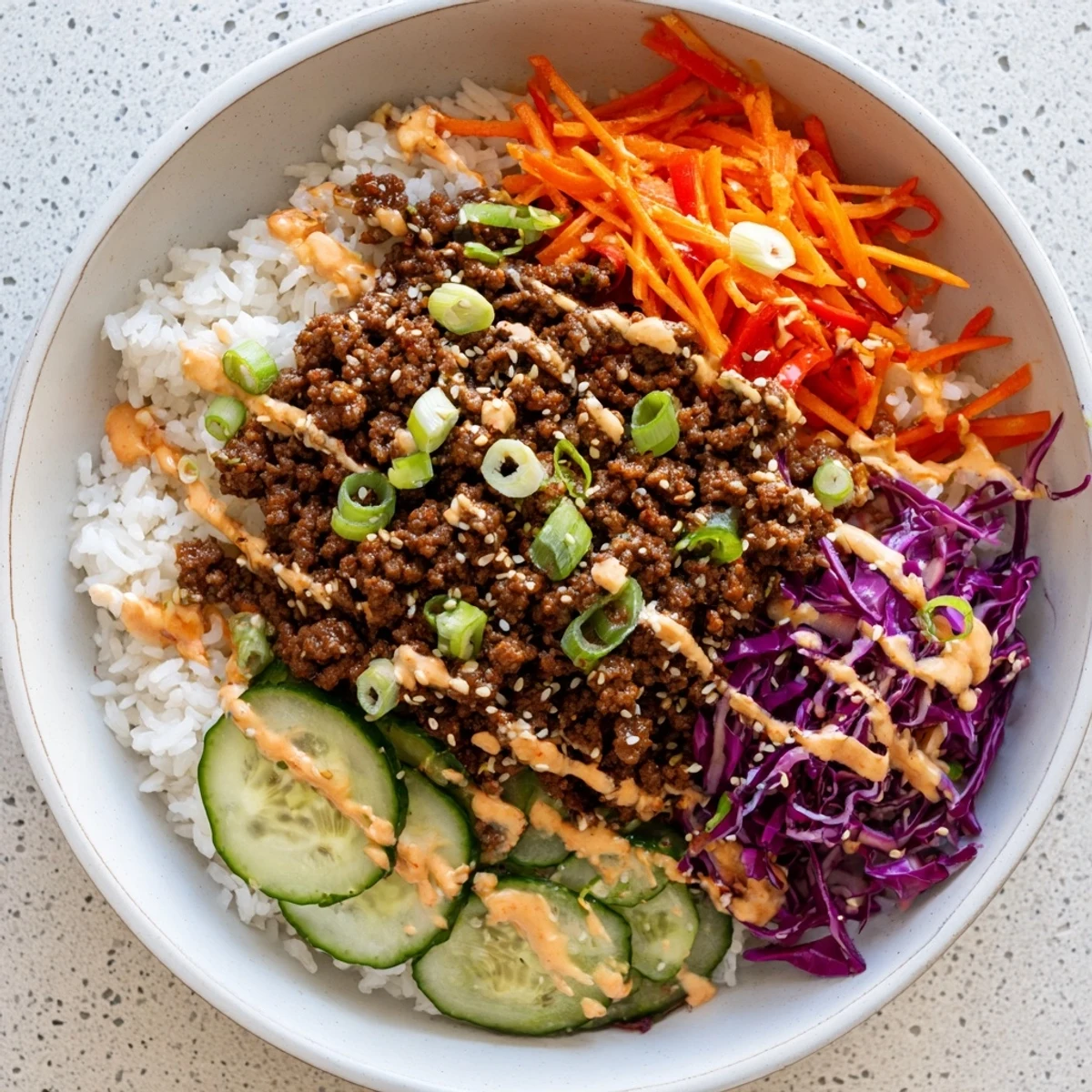
 This vibrant bowl brings together tender, caramelized Korean-style beef seasoned with soy sauce, sesame oil, garlic, ginger, and gochujang. Served over warm fluffy rice with shredded carrots, crisp cucumbers, and red cabbage, then finished with a creamy spicy mayo drizzle and toasted sesame seeds. The entire dish comes together in just 30 minutes, making it perfect for busy weeknights when you want something bold and satisfying without spending hours in the kitchen.
The first time I made this Korean beef bowl, my tiny apartment smelled like Seoul streets at midnight. My roommate poked her head in, demanding to know what kind of magic was happening in the kitchen. That night we ate standing up at the counter, too impatient to bother with actual plates. Now its the meal I make when I need something that feels special but comes together faster than takeout delivery.
Last winter my friend Jess came over feeling defeated by a terrible week at work. I piled these bowls high with extra cabbage and carrots, watching her shoulders drop three inches as she took that first bite. We sat on the floor with our backs against the sofa, eating in comfortable silence while rain tapped against the windows. Food that heals without saying a word.
Ingredients
- 1 lb lean ground beef: The foundation of the whole bowl, brown it well for those crispy edges everyone fights over
- 2 tablespoons soy sauce: Your savory base, though tamari works perfectly if gluten is a concern
- 1 tablespoon brown sugar: Caramelizes into those gorgeous sticky bits that coat every piece of beef
- 2 teaspoons sesame oil: Toasted sesame oil is non-negotiable here, that nutty aroma is half the magic
- 2 cloves garlic, minced: Fresh garlic only, never the jarred stuff which tastes vaguely of disappointment
- 1 teaspoon fresh ginger, grated: Peel it with a spoon and grate it fresh, the paste in tubes is a sad backup plan
- 1 tablespoon gochujang: Korean chili paste adds depth beyond just heat, though sriracha will work in a pinch
- 1/2 teaspoon black pepper: Freshly cracked makes a difference you can actually taste
- 1/3 cup mayonnaise: Real mayo, not the light stuff, because this sauce needs to cling to every bite
- 1 tablespoon sriracha: Adjust up or down based on your spice tolerance, but dont skip it entirely
- 1 teaspoon rice vinegar: Cuts through the rich mayo and beef with just enough brightness
- 1 teaspoon honey: Optional but recommended, it tames the heat and helps the sauce coat everything beautifully
- 4 cups cooked white rice: Day-old rice reheats beautifully, but fresh works too if you fluff it well
- 1 cup shredded carrots: Use a vegetable peeler for ribbons instead of a box grater for better texture
- 1 cup cucumber, thinly sliced: English cucumbers stay crunchier, regular ones work if you scoop the seeds
- 1/2 cup red cabbage, shredded: The pop of purple makes everything feel more cheerful
- 2 green onions, sliced: Both white and green parts add different kinds of sharpness
- 1 tablespoon toasted sesame seeds: Toast them in a dry pan for 2 minutes, the difference is worth the extra step
Instructions
- Get Your Rice Going:
- Start the rice first so everything else can come together while it steams. Keep it warm and fluffed.
- Mix the Magic Sauce:
- Whisk mayo, sriracha, vinegar, and honey until completely smooth. Let it hang out on the counter, it tastes better at room temperature.
- Crisp the Beef:
- Heat sesame oil in your biggest skillet over medium-high. Add ground beef and let it develop some color before breaking it up. Brown it for 5-6 minutes until you have those crispy edges everyone loves.
- Wake Up the Aromatics:
- Toss in garlic and ginger, stirring constantly for just 1 minute. You want them fragrant, not burnt.
- Build the Flavor:
- Pour in soy sauce, brown sugar, gochujang, and pepper. Let everything bubble together for 2-3 minutes until the sauce clings to the beef and caramelizes slightly.
- Assemble Like a Pro:
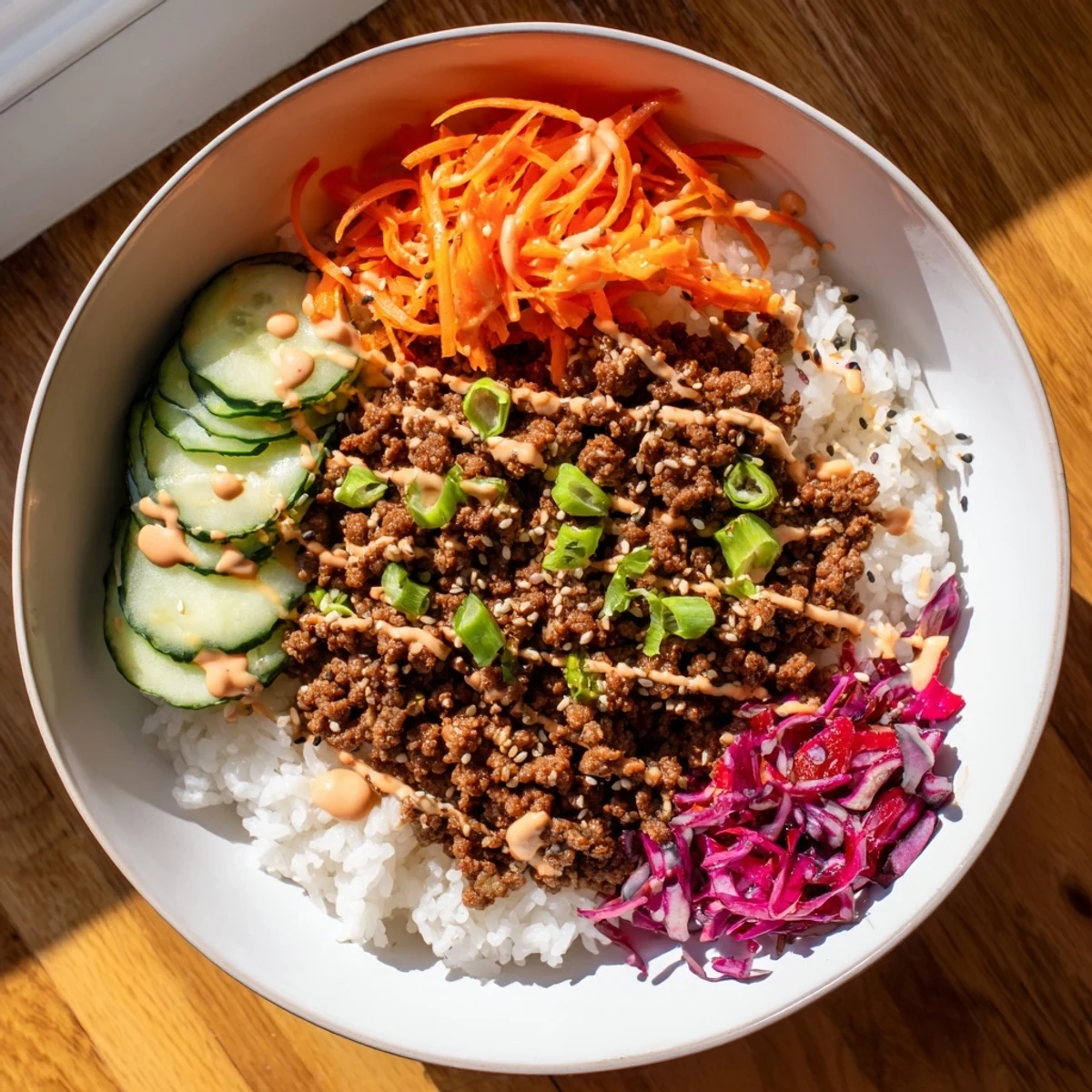
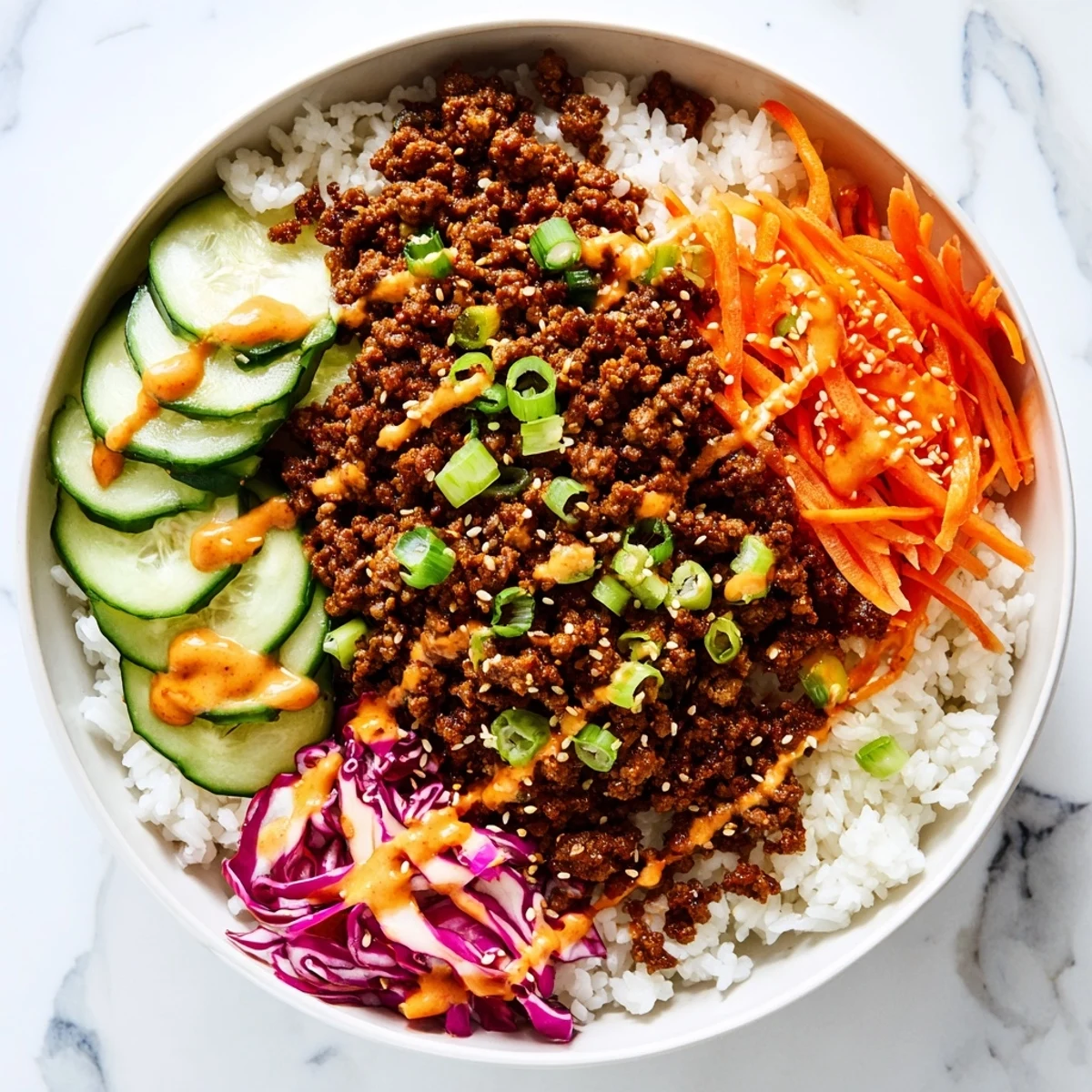
- Pile rice into four bowls. Mound the Korean beef on one side, then arrange carrots, cucumber, and cabbage in colorful sections around it.
- Finish with Flair:
- Drizzle that spicy mayo in an artistic swoop. Scatter green onions and sesame seeds over everything. Serve immediately while the beef is still sizzling hot.
 Save to Pinterest
 My mom called mid-recipe once, suspicious about all the garlic I was mincing. I described what I was making and she showed up at my door twenty minutes later with beer and an empty stomach. We ate at the dining table for once, properly, with napkins and everything.
Making It Your Own
Ive discovered that ground turkey works surprisingly well if you drain the excess fat after cooking. The beef definitely has more flavor, but turkey lets you feel slightly virtuous without sacrificing satisfaction. Tofu crumbles work too, pressed well and fried until golden in patches before adding the sauce.
Vegetable Wisdom
The crunch factor matters more than you think. I once used pre-shredded coleslaw mix and missed the satisfaction of hand-sliced vegetables. Take the extra five minutes to slice everything yourself. The textures play off each other and make each bite interesting instead of monotonous.
Leftover Strategy
This recipe actually tastes better the next day, which feels like cheating. Pack the rice and beef separately if meal-prepping, then reheat and add fresh vegetables before serving. The sauce penetrates deeper into the beef overnight, creating this umami bomb that makes coworkers jealous of your lunch. Store extra spicy mayo in a small jar, it keeps for a week and goes on everything from burgers to roasted potatoes.
- Double the spicy mayo, youll want it on eggs the next morning
- Fried eggs on top turn this into breakfast faster than you can say yesterday dinner
- Crispy shallots scattered over everything add another layer of texture
 Save to Pinterest
 This bowl has become my go-to for Tuesdays that feel like Thursdays and weekends that need comfort without the effort. Make it once and youll understand why it lives in permanent rotation.
Questions & Answers
- → Can I make the beef ahead of time?
-
Yes, the seasoned beef can be prepared up to 3 days in advance and stored in the refrigerator. Reheat gently in a skillet before assembling your bowls for the best texture and flavor.
- → What can I use instead of gochujang?
-
Sriracha or any Korean chili paste works well as a substitute. For a milder version, use red pepper flakes with a touch of tomato paste. The flavor profile will shift slightly but still deliver delicious results.
- → Is this dish gluten-free?
-
Traditional versions contain gluten from soy sauce and gochujang. To make it gluten-free, swap soy sauce for tamari and verify your gochujang is certified gluten-free. The rest of the ingredients are naturally gluten-free.
- → Can I use other proteins?
-
Ground turkey, chicken, or even tofu work beautifully with these bold Korean flavors. Adjust cooking time accordingly—turkey and chicken may need a minute or two longer, while tofu absorbs the marinade quickly and needs less time.
- → How spicy is the spicy mayo?
-
The spicy mayo delivers moderate heat that's balanced by the creamy mayonnaise and touch of honey. For more spice, increase the sriracha to 2 tablespoons. For a milder version, reduce to 1 teaspoon or omit entirely.
- → What other vegetables work well in this bowl?
-
Sliced radishes, shredded lettuce, bean sprouts, spinach, or sautéed bok choy all complement the Korean beef beautifully. Pickled vegetables like daikon or quick-pickled cucumbers add wonderful tang and crunch.