
 Save to Pinterest
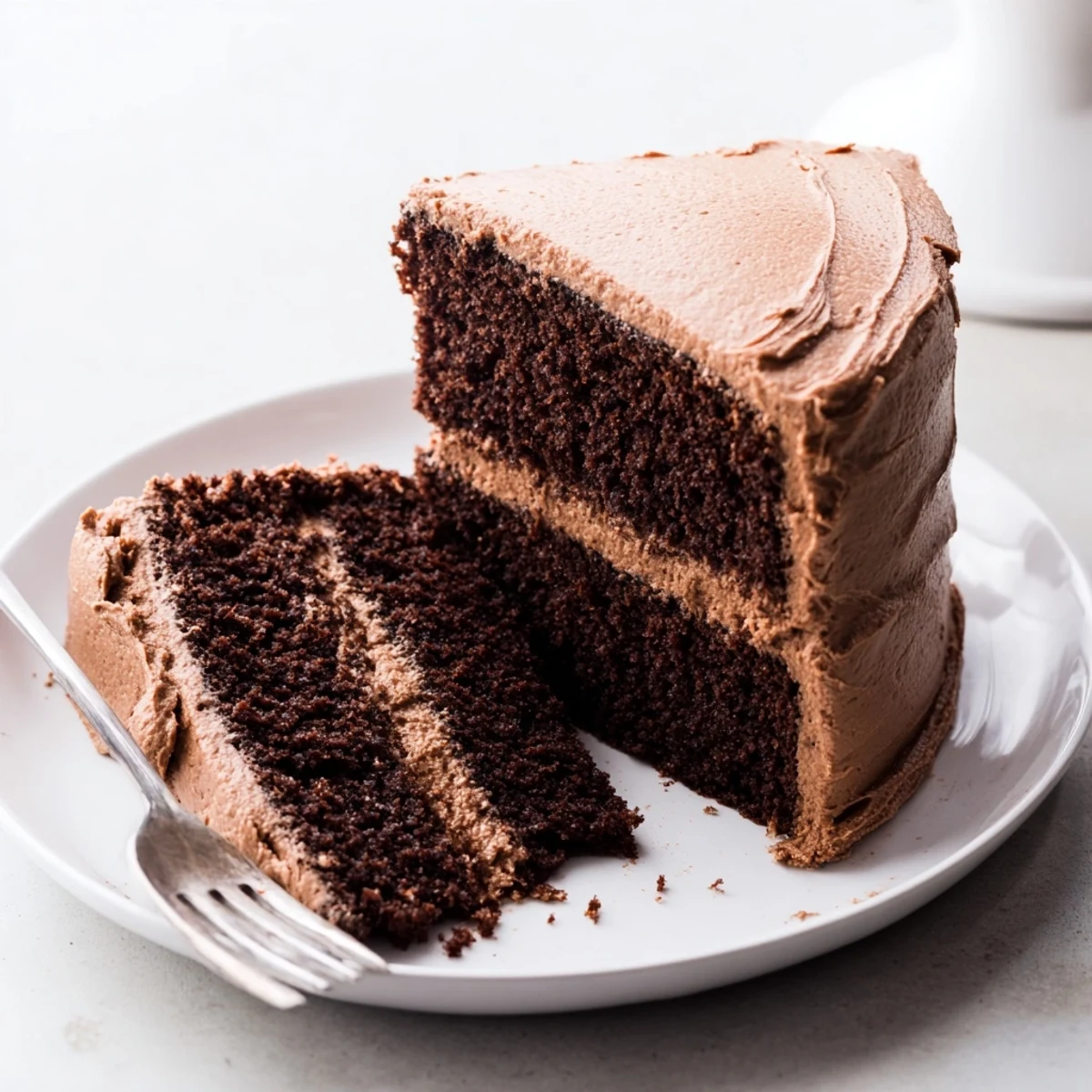
 This moist, rich chocolate cake uses unsweetened cocoa, boiling water and a balance of baking powder and baking soda to yield a tender crumb. Whisk dry ingredients, add eggs, milk, oil and vanilla, then stir in hot water for a thin batter. Bake at 350°F in two 9-inch pans, cool on racks, and spread a creamy cocoa buttercream between layers and over the cake. Try instant coffee in the hot water for mocha or swap buttermilk for extra tang.
The rain was hammering against the kitchen window the afternoon my sister called to say she was bringing her new boyfriend over for dinner in exactly two hours. I panicked, scanned the pantry, and landed on a battered cocoa tin staring back at me like a challenge. That impromptu chocolate cake, slightly lopsided and frosted while still warm, won him over before he even sat down. They are married now, and he still asks for this cake every birthday.
My niece now stands on a step stool beside me whenever this cake is on the agenda, her small hands clutching the whisk like a sword. She calls it the volcano step when we pour in the boiling water and watch the batter loosen into something glossy and dark. Those kitchen afternoons have become our quiet tradition, measured not in minutes but in flour dusted across the counter and chocolate smudges on our chins.
Ingredients
- 1 and 3/4 cups (220 g) all-purpose flour: The structural backbone of the cake, spoon it into the cup and level off for accuracy.
- 3/4 cup (75 g) unsweetened cocoa powder: Use a good quality brand here because this is where all the chocolate depth comes from.
- 2 cups (400 g) granulated sugar: It balances the bitterness of the cocoa and keeps the crumb moist for days.
- 1 and 1/2 tsp baking powder: Works with the baking soda to give the cake a gentle, even rise.
- 1 and 1/2 tsp baking soda: Reacts with the acidic cocoa to create that tender, pillowy texture.
- 1 tsp salt: Do not skip it, salt sharpens every note of chocolate and keeps the sweetness honest.
- 2 large eggs: Bring them to room temperature so they incorporate smoothly into the batter.
- 1 cup (240 ml) whole milk: Fat equals richness here, avoid substituting with skim if you can help it.
- 1/2 cup (120 ml) vegetable oil: Oil stays liquid at room temperature, which means your cake stays soft long after baking.
- 2 tsp vanilla extract: A quiet background note that rounds out the chocolate flavor beautifully.
- 1 cup (240 ml) boiling water: This is the magic ingredient that blooms the cocoa and thins the batter to perfection.
- 1/2 cup (115 g) unsalted butter (softened, for frosting): Let it sit out until it yields easily to your finger, about an hour should do it.
- 1 and 3/4 cups (220 g) powdered sugar (for frosting): Sift it to avoid any stubborn lumps in your silky frosting.
- 1/2 cup (45 g) unsweetened cocoa powder (for frosting): Doubles down on the chocolate intensity right where you want it most.
- 1/4 cup (60 ml) milk (for frosting): Add it gradually until the frosting reaches a spreadable consistency.
- 1 tsp vanilla extract (for frosting): A final fragrant touch that ties the frosting to the cake beneath it.
Instructions
- Prepare the oven and pans:
- Heat your oven to 350 degrees F (175 degrees C) and grease two 9 inch round pans with butter, then dust them lightly with flour, tapping out the excess over the sink.
- Whisk the dry ingredients together:
- In your largest bowl, combine the flour, cocoa powder, sugar, baking powder, baking soda, and salt with a whisk until evenly blended and no pale streaks remain.
- Add the wet ingredients:
- Pour in the eggs, milk, oil, and vanilla, then beat everything together until the batter is smooth, glossy, and free of dry pockets.
- Introduce the boiling water:
- Slowly stream in the boiling water while mixing gently and do not be alarmed when the batter suddenly looks thin and soupy, that is exactly right.
- Pour and bake:
- Divide the batter evenly between the two prepared pans, slide them onto the center rack, and bake for 30 to 35 minutes until a toothpick slipped into the middle comes out clean.
- Cool with patience:
- Let the cakes rest in their pans for 10 minutes, then turn them out gently onto wire racks and wait until they are completely cool before frosting.
- Make the frosting:
- Beat the softened butter until creamy and pale, then gradually blend in the powdered sugar and cocoa powder before streaming in the milk and vanilla until everything is light and fluffy.
- Assemble the cake:
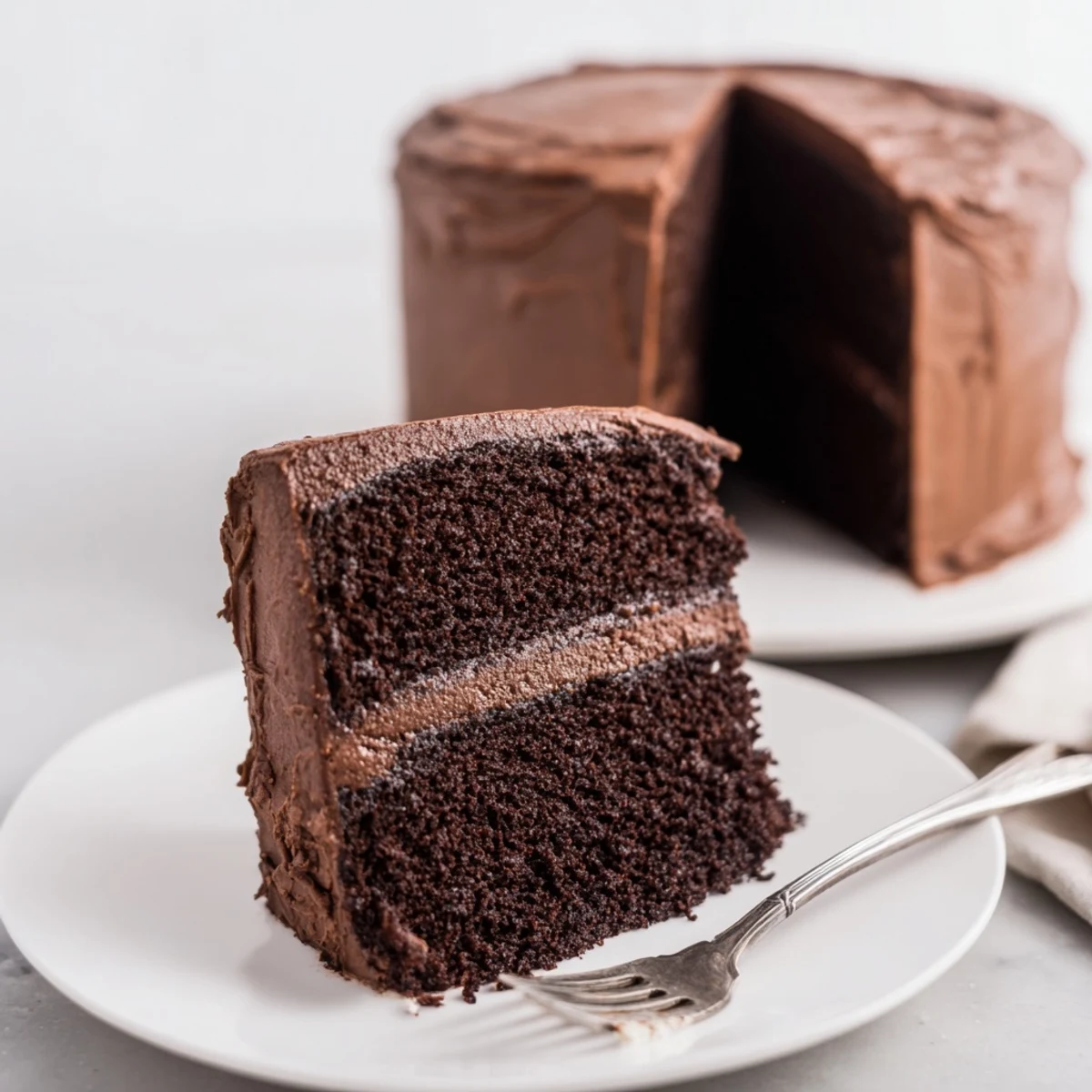
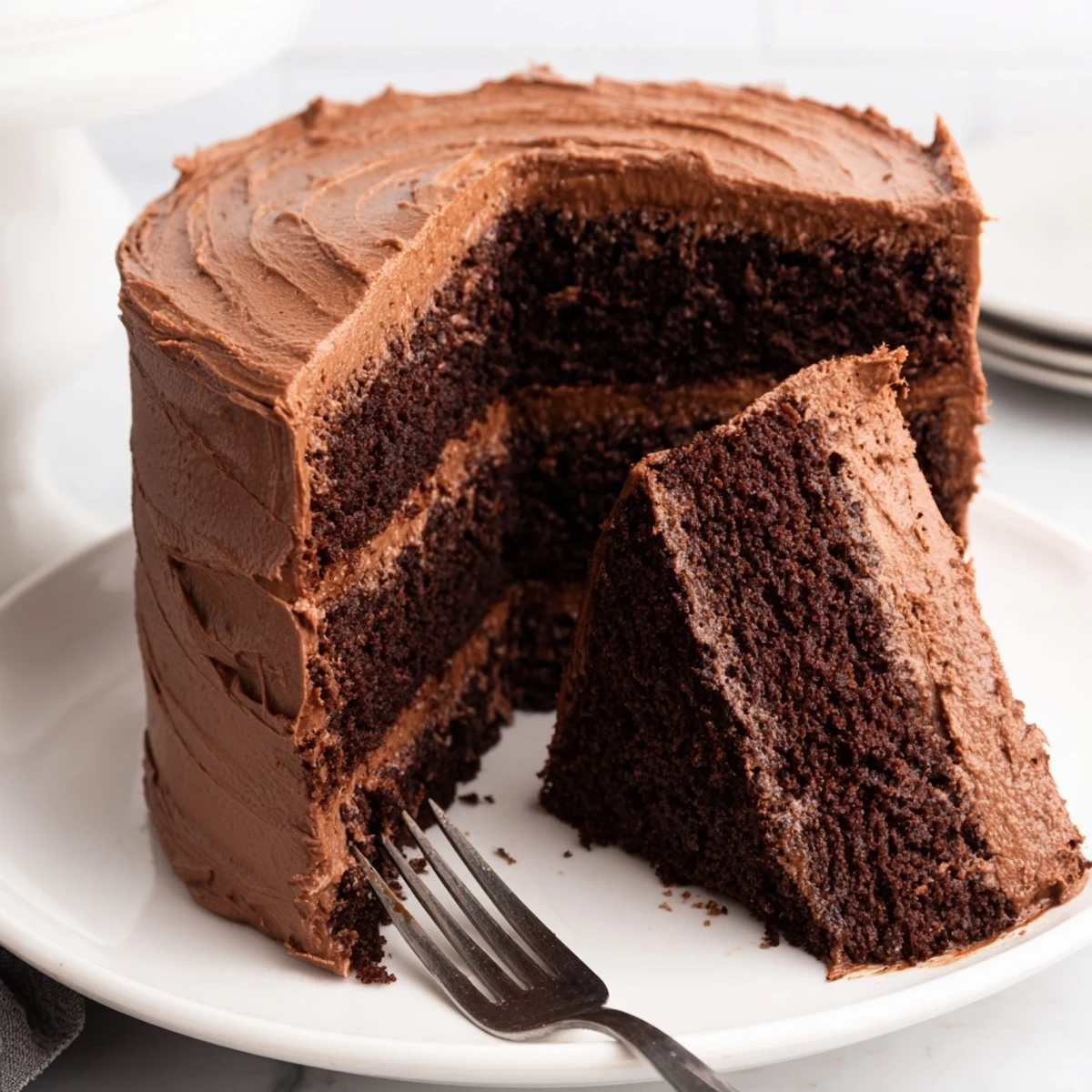
- Place one layer on your serving plate, spread a generous blanket of frosting across the top, set the second layer in place, and finish by frosting the sides and top with confident, sweeping strokes.
 Save to Pinterest
 The moment you set this cake on the table, conversations pause and everyone leans in a little closer, drawn by that deep, dark aroma. It has a way of turning an ordinary tuesday into something worth remembering.
What to Serve Alongside
A strong cup of coffee is the natural companion here, its bitterness cutting through the richness in the most satisfying way. A glass of cold milk works wonders too, especially if you are serving children who treat chocolate cake as a major food group. For something slightly more indulgent, a pour of port wine alongside a thin slice on a winter evening feels unexpectedly elegant.
Making It Your Own
Swap the whole milk for buttermilk if you want a subtle tang that makes the chocolate taste even more complex and the crumb more tender. A handful of dark chocolate chips folded into the batter creates little pockets of molten chocolate throughout. You could also split each layer in half and add a thin spread of raspberry jam between the tiers for a fruity surprise that nobody will see coming.
Getting Ahead and Storing
This cake actually improves after resting overnight, tightly wrapped at room temperature, as the crumb settles and the flavors deepen. The frosted cake will keep well for up to three days under a cake dome, though it rarely lasts that long in my kitchen. You can also freeze the unfrosted layers individually wrapped in plastic for up to two months.
- Thaw frozen layers on the counter still wrapped so condensation forms on the outside of the plastic, not on your cake.
- A quick sift of cocoa powder over the frosted top hides any imperfections and looks beautifully intentional.
- Always serve this cake at room temperature so the frosting is soft and the crumb is at its most tender.
 Save to Pinterest
 Every kitchen deserves at least one reliable chocolate cake recipe that never lets you down, and I genuinely hope this becomes yours. Now go preheat that oven and make someone smile.
Questions & Answers
- → How do I keep the cake moist?
-
Use vegetable oil and boiling water in the batter to lock in moisture, avoid overmixing the batter, and remove the cakes from the oven as soon as a toothpick comes out clean. Let them rest in the pans for 10 minutes before cooling on a rack to retain steam.
- → Can I substitute buttermilk for regular milk?
-
Yes. Buttermilk adds a subtle tang and extra tenderness because of its acidity. Use the same volume and expect a slightly richer crumb; you may omit any additional acidic adjustments when making this swap.
- → How can I get a smooth, spreadable frosting?
-
Beat softened butter until creamy, sift powdered sugar and cocoa to avoid lumps, then add milk and vanilla gradually. Beat until light and fluffy; adjust texture with a splash more milk for spreading or more powdered sugar for stiffer piping.
- → How do I achieve a mocha flavor?
-
Dissolve 1 teaspoon of instant coffee powder into the boiling water before adding it to the batter. The hot liquid blooms the coffee and deepens the chocolate notes without adding extra liquid volume.
- → What’s the best way to check for doneness?
-
Insert a toothpick in the center—if it comes out clean or with a few moist crumbs the cake is done. The surface should spring back lightly when pressed; overbaking yields a dry crumb, so check near the shorter end of the suggested bake time.
- → How should I store or freeze the cake?
-
Store frosted cake covered at room temperature for up to 2 days, or refrigerate for up to 4 days. For freezing, wrap cooled, unfrosted layers tightly in plastic and foil; freeze up to 2 months. Thaw in the fridge before assembling and frosting.