
 Save to Pinterest
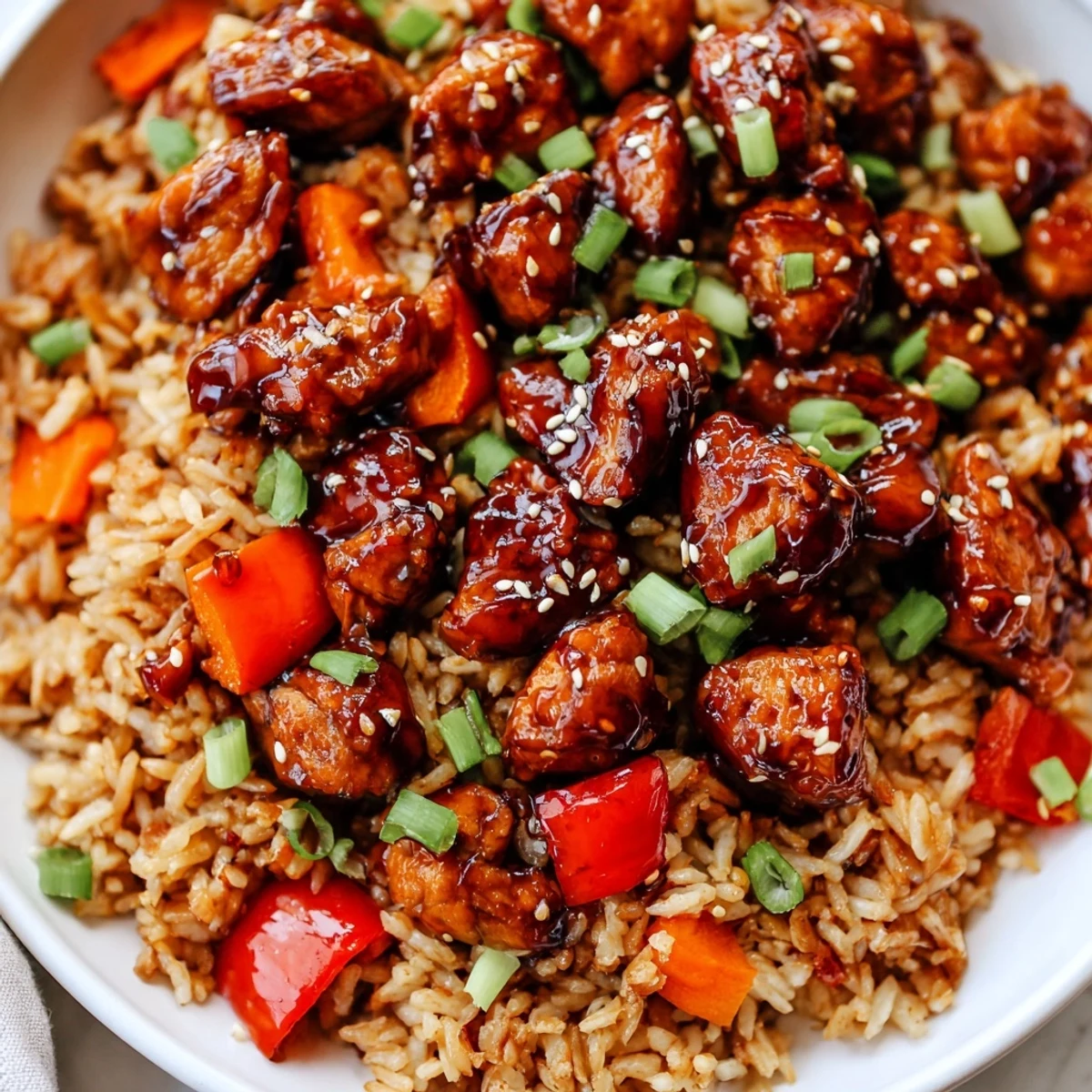
 This satisfying one-pan meal features tender chicken thighs marinated in a rich Korean BBQ sauce blend, then simmered with aromatic vegetables and fluffy rice until perfectly cooked. The combination of savory soy, sweet honey, nutty sesame oil, and fragrant garlic creates layers of authentic Korean flavors.
Ready in just 50 minutes with only 15 minutes of active prep, this skillet dinner delivers restaurant-quality results with minimal cleanup. The rice absorbs all the delicious marinade juices while steaming alongside the chicken and vegetables, creating a cohesive dish where every bite is packed with flavor.
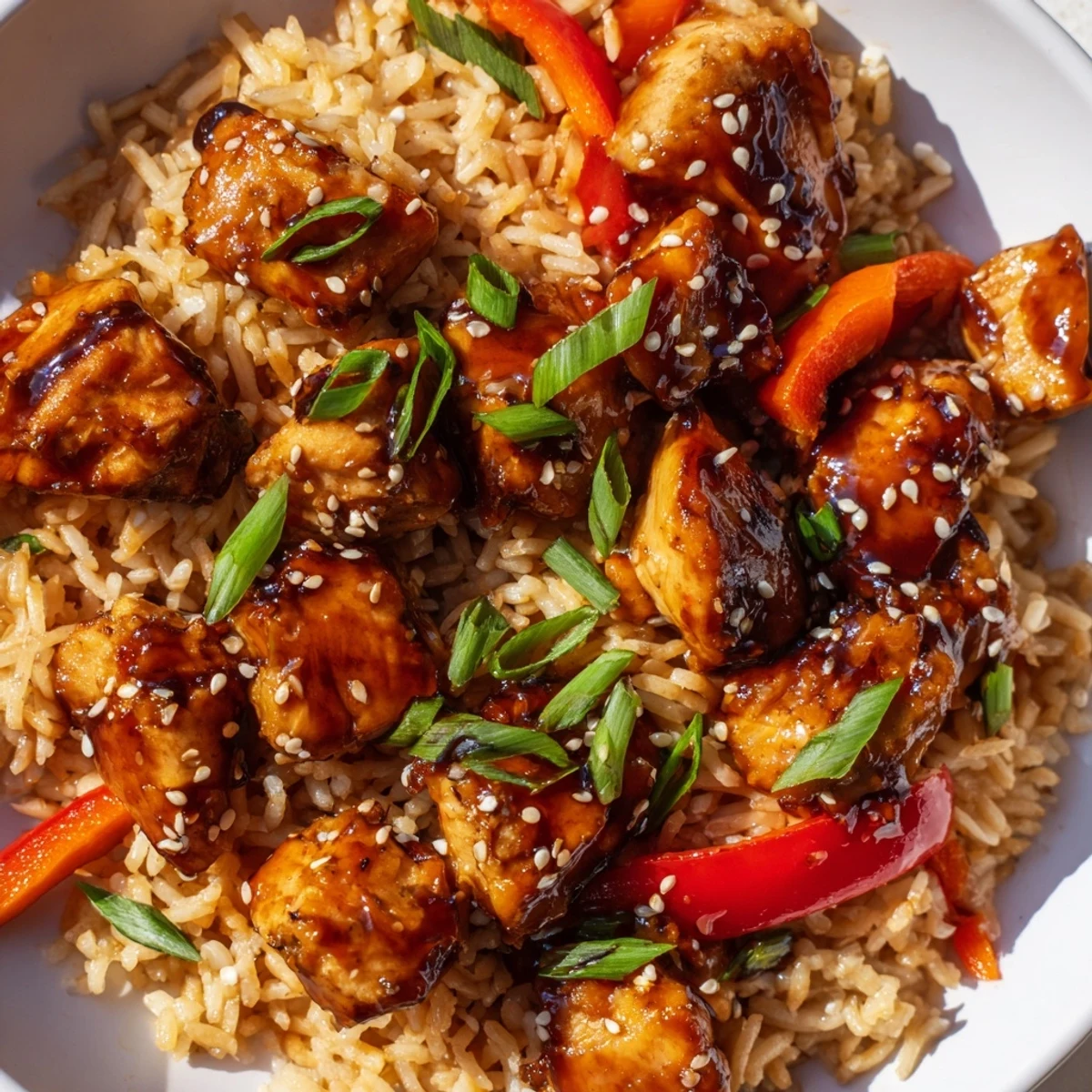
Top with fresh green onions and toasted sesame seeds for added texture and visual appeal. Serve alongside kimchi or pickled vegetables to complement the sweet and savory notes with refreshing crunch.
The first time I made this Korean BBQ chicken and rice, my kitchen smelled like my favorite street food stall in Seoul. I had just come home from work, tired and craving something comforting but exciting. That night, I discovered that a single pan could hold so much magic. Now it is the meal I turn to when I want big flavors with minimal cleanup.
Last winter, my sister came over complaining about being burned out on meal prep. I made this for her, and she literally asked for the recipe before she even finished her first bowl. Seeing how something so simple could make someone that happy reminded me why I love sharing food. Now she makes it every Sunday for her work week lunches.
Ingredients
- 500 g boneless, skinless chicken thighs: Thighs stay juicier than breast meat during the long simmer, and their extra fat adds richness to the rice as it cooks
- 4 tbsp Korean BBQ sauce: This is the flavor backbone, so use a brand you love or make your own with gochujang, soy sauce, and brown sugar
- 2 tbsp soy sauce: Adds that essential umami depth that makes Korean food so addictive
- 1 tbsp sesame oil: Toasted sesame oil brings a nutty aroma that fills your kitchen as soon as it hits the pan
- 1 tbsp honey: Balances the salty elements and helps the chicken caramelize beautifully
- 2 cloves garlic, minced: Fresh garlic is non-negotiable here, it blooms in the hot oil and infuses the entire dish
- 1 tsp grated fresh ginger: Use a microplane or the smallest holes on your grater to get a paste that dissolves into the sauce
- 1 small onion, diced: The onion sweetens as it cooks down, becoming almost like a confit in the rice
- 1 red bell pepper, sliced: Adds color and a slight sweetness that plays nicely with the BBQ sauce
- 1 cup carrots, julienned: Thin slices cook through evenly and add satisfying crunch against the tender rice
- 1 cup jasmine or short-grain white rice, rinsed: Short-grain rice gives you that sticky, comforting texture, but jasmine works wonderfully too
- 2 cups low-sodium chicken broth: Using broth instead of water adds another layer of flavor, but keep an eye on salt since the BBQ sauce is already seasoned
- 2 green onions, sliced: Fresh green onion right before serving adds a bright, sharp contrast to the rich, sweet flavors
- 1 tbsp toasted sesame seeds: These are not just garnish, they add texture and reinforce the sesame notes in the sauce
Instructions
- Marinate the chicken:
- Combine the chicken pieces with BBQ sauce, soy sauce, sesame oil, honey, garlic, and ginger in a bowl. Let it sit for at least 10 minutes, but if you have time, 30 minutes makes the flavor even better.
- Sear the chicken:
- Heat a splash of oil in your large deep skillet over medium-high heat. Add the marinated chicken and cook for 3 to 4 minutes until it develops a nice brown color on the outside.
- Add the vegetables:
- Toss in the diced onion, sliced bell pepper, and carrots. Sauté for 2 to 3 minutes until they start to soften and become fragrant.
- Coat the rice:
- Stir in the rinsed rice, mixing well so every grain gets coated in the cooking juices and takes on some color.
- Simmer everything together:
- Pour in the chicken broth and bring it to a bubble. Lower the heat, cover tightly, and let it simmer gently for 20 to 25 minutes until the rice is tender and has absorbed all the liquid.
- Rest and fluff:
- Remove the pan from heat and keep it covered for 5 minutes. This step is crucial for perfectly fluffy rice, so resist the urge to peek.
- Garnish and serve:
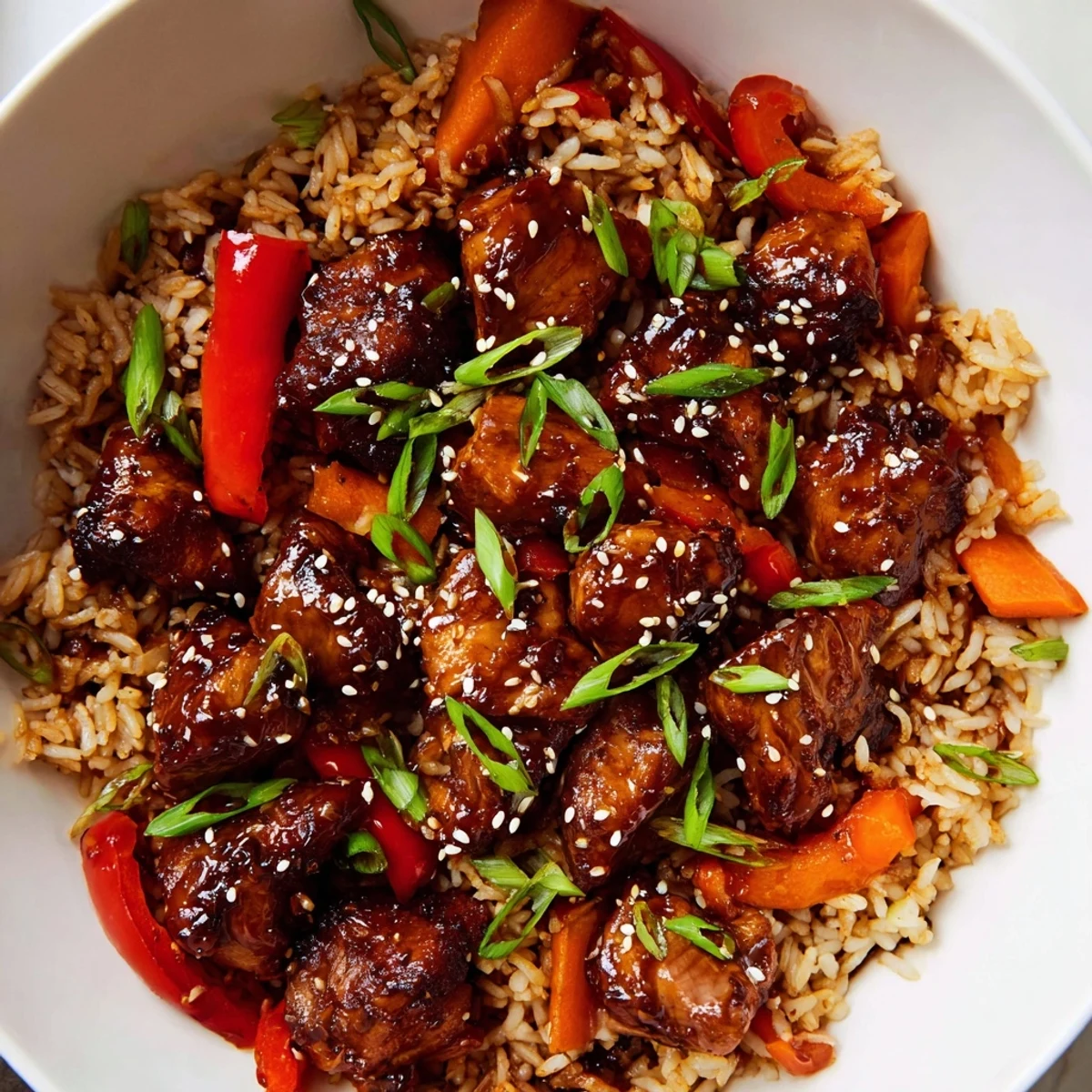
- Fluff everything with a fork, then scatter green onions and sesame seeds on top. Serve it steaming hot, with kimchi on the side if you have it.
 Save to Pinterest
 This recipe became my go-to when my roommate and I started having weekly roommate dinners. It was the one dish we both agreed was perfect every single time. Those nights, sitting on the floor with our bowls, became something I looked forward to all week long.
Making It Your Own
I have played around with this recipe more times than I can count. Sometimes I add gochujang if I want more heat, or swap in broccoli for the carrots when that is what I have in the fridge. The best version is always the one that uses what you actually have on hand.
Rice Tips
Rinsing your rice until the water runs clear is the secret to fluffy, separate grains. I learned this the hard way after making rice pudding instead of dinner one night. Also, short-grain rice will give you that sticky texture that Koreans love, but jasmine rice is lighter and just as delicious.
Serving Ideas
A simple cucumber salad dressed with rice vinegar makes the perfect fresh contrast to this rich dish. I also love serving it with a fried egg on top for extra protein.
- Keep some gochujang on the table for anyone who wants to kick up the heat
- A drizzle of extra sesame oil right before serving makes everything shine
- Cold beer or sparkling water cuts through the sweetness beautifully
 Save to Pinterest
 There is something deeply satisfying about a meal that comes together in one pan but tastes like it took hours. I hope this becomes a weeknight staple in your kitchen too.
Questions & Answers
- → What type of rice works best for this dish?
-
Short-grain white rice or jasmine rice are ideal choices as they absorb the flavorful cooking liquid beautifully while maintaining a fluffy texture. Long-grain varieties can also work but may be slightly less sticky.
- → Can I make this spicy?
-
Absolutely! Add one tablespoon of gochujang (Korean chili paste) to the marinade for a pleasant heat kick. You can also include sliced Korean chili peppers or red pepper flakes to increase the spice level to your preference.
- → What vegetables can I substitute?
-
Feel free to swap in whatever vegetables you have on hand. Zucchini, snap peas, baby corn, mushrooms, or broccoli all work wonderfully. Just keep the cutting size consistent so everything cooks evenly.
- → Is there a gluten-free option?
-
Yes! Use tamari instead of soy sauce and verify your Korean BBQ sauce is certified gluten-free. Many brands now offer gluten-free versions of traditional Korean sauces.
- → Can I use chicken breast instead of thighs?
-
Chicken breast works as a leaner alternative, though thighs remain more juicy and flavorful during cooking. If using breast, be careful not to overcook as it can dry out faster than thigh meat.
- → How should I store leftovers?
-
Store cooled leftovers in an airtight container in the refrigerator for up to 4 days. Reheat gently with a splash of water or broth to refresh the rice. The flavors often develop even more after resting overnight.