
 Save to Pinterest
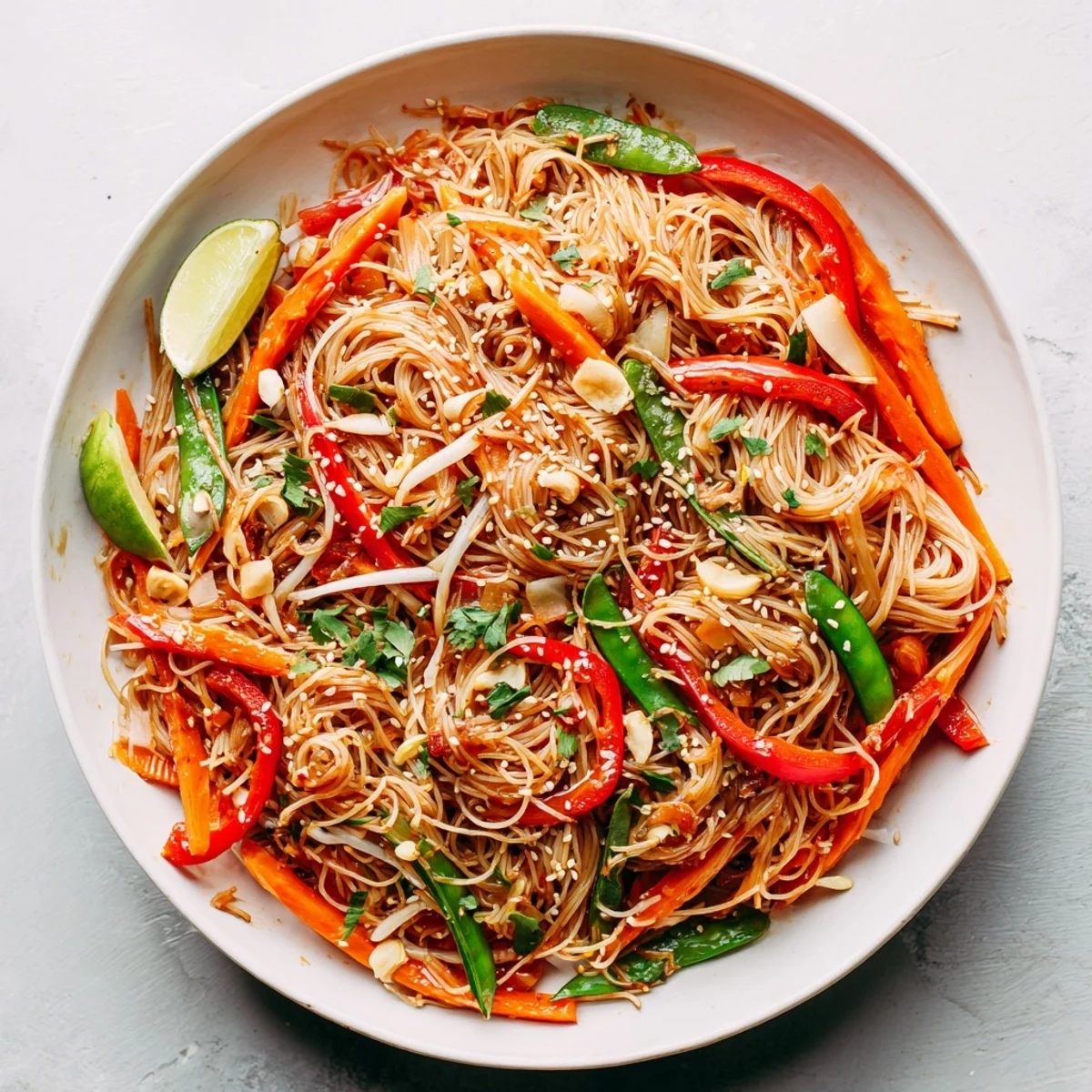
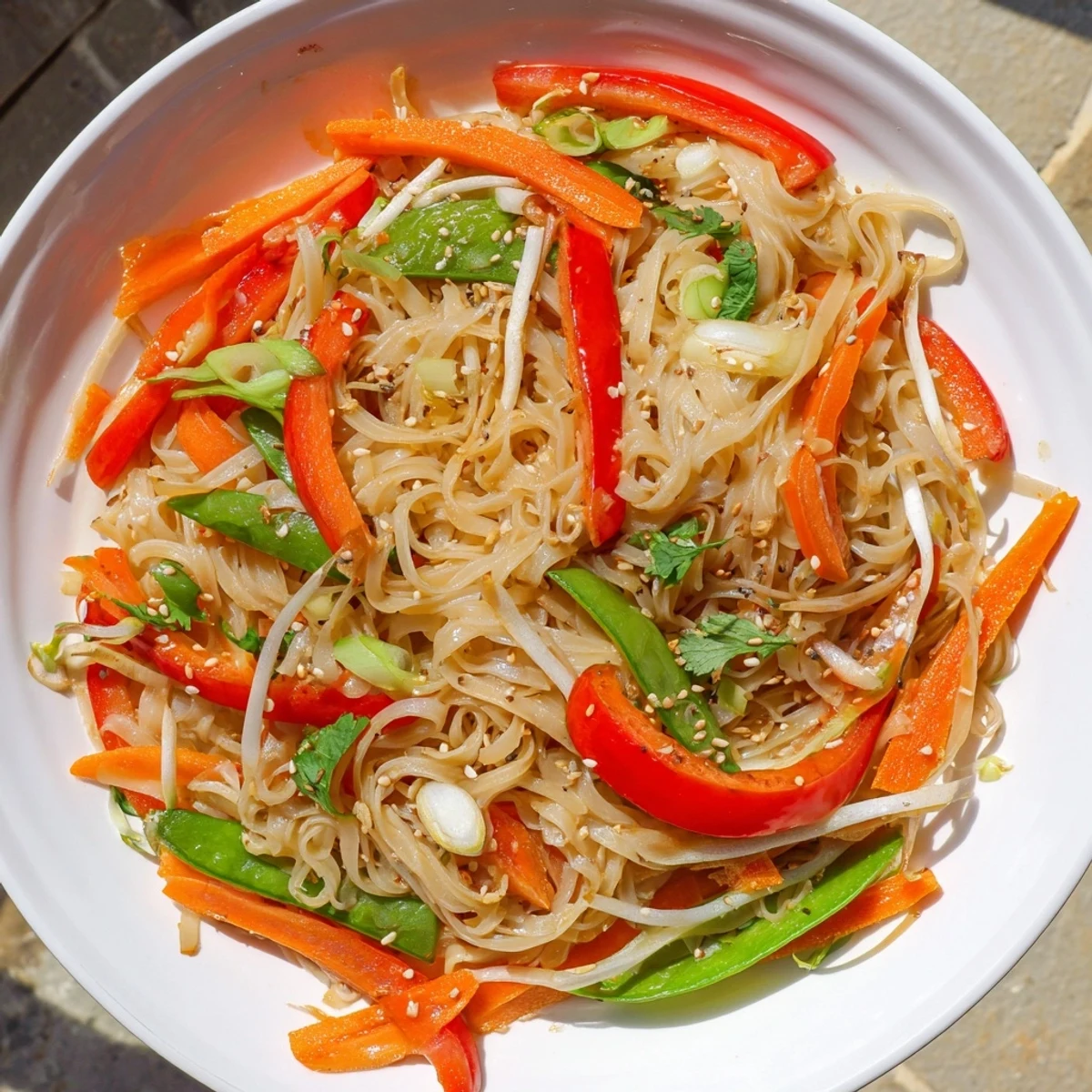
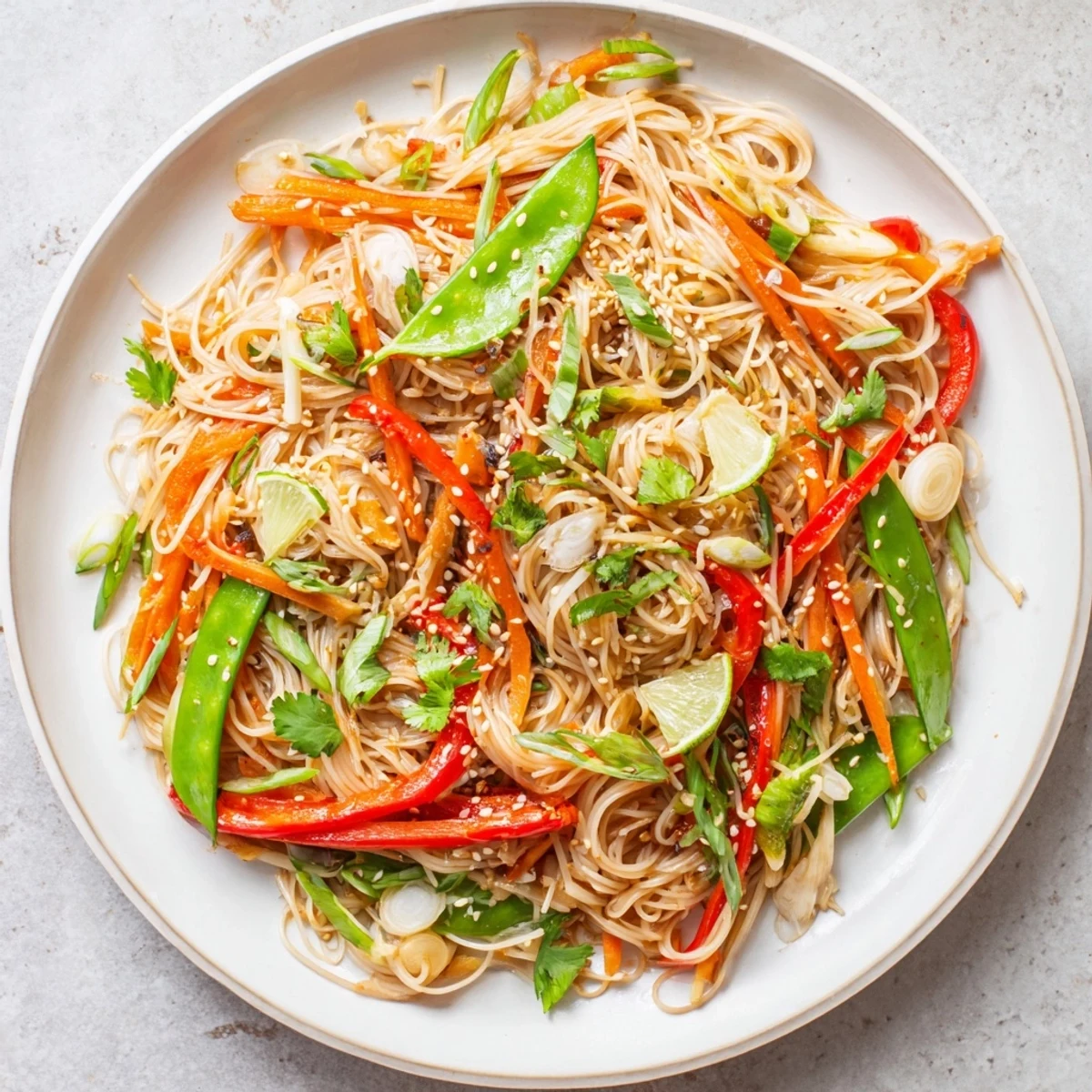
 This quick rice noodle stir fry combines tender noodles with colorful vegetables like carrots, bell peppers, and snap peas, all coated in a savory sauce made with soy sauce, sesame oil, and just a hint of sweetness. The dish comes together in just 30 minutes, making it an ideal choice for busy weeknights when you want something flavorful without spending hours in the kitchen.
The beauty of this stir fry lies in its versatility—toss in tofu, shrimp, or chicken for added protein, or swap vegetables based on what's in season. The balance of textures from crisp-tender vegetables and soft noodles, combined with the aromatic sauce, creates a satisfying meal that works for lunch or dinner.
The steam rising from my wok still transports me back to that tiny apartment kitchen where I first mastered rice noodles, the ones that kept sticking together no matter how fast I stirred. It took three failed attempts before someone finally told me the soaking temperature matters more than the cooking time. Now this stir fry has become my go-to when the refrigerator is full of random vegetables and I need dinner in under thirty minutes.
Last Tuesday my roommate walked in mid stir fry and asked what smelled so incredible. She stood watching the vegetables dance in the wok, transfixed by the sound of sizzling snap peas hitting hot oil. We ended up eating straight from the wok with chopsticks, leaning against the counter and talking about everything and nothing. Sometimes the best meals are the ones you never planned.
Ingredients
- 250 g dried rice noodles: These soak up sauce beautifully without turning mushy, just resist the urge to boil them
- 1 medium carrot, julienned: Adds sweetness and that satisfying crunch that holds up against soft noodles
- 1 red bell pepper, thinly sliced: The bright color makes the whole dish feel cheerful even on gray days
- 100 g snap peas, trimmed: They stay crisp tender and pop with every bite
- 1 small onion, thinly sliced: Sweet when cooked fast over high heat
- 2 cloves garlic, minced: Add this last so it does not burn and turn bitter
- 2 spring onions, sliced: The white parts go in the wok, green parts for garnish
- 100 g bean sprouts: Toss them in at the end so they stay fresh and crunchy
- 3 tbsp soy sauce: Tamari works if you need it gluten free
- 1 tbsp oyster sauce: Vegan version tastes surprisingly close to the original
- 1 tbsp sesame oil: This is the secret behind that restaurant aroma
- 1 tbsp light brown sugar: Balances the salt and helps the sauce cling to noodles
- 1 tsp rice vinegar: A subtle brightness that cuts through rich sesame oil
- 1/2 tsp chili flakes: Leave them out if you prefer gentle heat
- 2 tbsp fresh cilantro, chopped: The fresh herb contrast makes every forkful exciting
- 1 tbsp toasted sesame seeds: They add nutty flavor and pretty speckles
- Lime wedges: Squeeze fresh over each bowl right before eating
Instructions
- Soak the noodles:
- Warm water works better than hot, preventing them from becoming gummy and unmanageable when they hit the wok
- Whisk the sauce:
- Having everything measured and mixed beforehand means you will not panic when the oil starts smoking
- Heat your wok:
- The pan should be practically screaming hot before anything touches the surface
- Sauté aromatics:
- Garlic and onion need only sixty seconds before they release their perfume into the oil
- Add vegetables:
- Keep everything moving constantly so nothing sticks or scorchs
- Combine and toss:
- The sauce should sizzle dramatically as it hits the noodles, coating each strand evenly
- Finish with garnish:
- Fresh herbs and sesame seeds lose their magic if they cook too long
 Save to Pinterest
 My grandmother would watch me cook this and shake her head, saying stir fry was supposed to be thrown together without measuring anything. She was right about the spirit of the dish, though measuring kept my early attempts from becoming salt disasters. Now I can eyeball the sauce ratios and somehow they always land right where they should.
Getting The Noodle Texture Right
The temperature of your soaking water changes everything. Too hot and the outside turns to mush while the center stays hard. Too cold and you will be standing there forever waiting. I found that warm tap water, right around body temperature, produces noodles that are tender but still have something to bite into.
The Art Of High Heat Cooking
Proper stir fry requires patience before the speed begins. Let your wok heat until it is visibly smoking, then add oil and wait another ten seconds. That extra heat creates the smoky flavor called wok hei that makes restaurant food taste distinctive. Home stoves can struggle to reach those temperatures, so preheating becomes even more critical.
Building Your Sauce Foundation
The balance between salty, sweet, and acidic elements determines whether your dish sings or falls flat. Taste your sauce before adding it to the wok and adjust accordingly. Some soy sauces are saltier than others, and brown sugar can vary in moisture content.
- Double the sauce recipe if you love your noodles heavily coated
- Add a splash more water if the sauce looks too thick in the bowl
- Remember the sauce reduces slightly as it heats in the wok
 Save to Pinterest
 This recipe has rescued countless weeknight evenings when cooking felt like one task too many. Sometimes the simplest meals become the ones you return to again and again.
Questions & Answers
- → How do I prevent rice noodles from sticking together?
-
Soak noodles according to package instructions until just tender, then drain well. Toss them immediately with the sauce in the wok—the liquid helps prevent sticking. Avoid over-soaking, which makes noodles mushy and more prone to clumping.
- → Can I make this dish gluten-free?
-
Yes! Use gluten-free soy sauce or tamari, and choose a gluten-free oyster sauce alternative. Most rice noodles are naturally gluten-free, but always check the label to ensure no wheat-based ingredients were added during processing.
- → What protein options work well with this stir fry?
-
Firm tofu cubes, shrimp, sliced chicken breast, or thin beef strips all complement the flavors. Add your chosen protein during step 4 after the vegetables have started cooking, ensuring it's fully cooked through before adding the noodles.
- → How can I add more heat to this dish?
-
Increase the chili flakes, add fresh minced chili peppers with the garlic, or drizzle with sriracha before serving. You can also use a spicy sesame oil in place of regular sesame oil for a deeper, warming heat.
- → Can I prepare the sauce in advance?
-
Absolutely! Mix the sauce ingredients up to 3 days ahead and store in an airtight container in the refrigerator. Give it a good stir before using, as the sugar may settle to the bottom.
- → What vegetables can I substitute?
-
Broccoli florets, baby corn, sliced mushrooms, bok choy, or snow peas all work beautifully. The key is to cut vegetables into similar sizes so they cook evenly, and add longer-cooking vegetables like carrots before quicker-cooking ones like bean sprouts.