
 Save to Pinterest
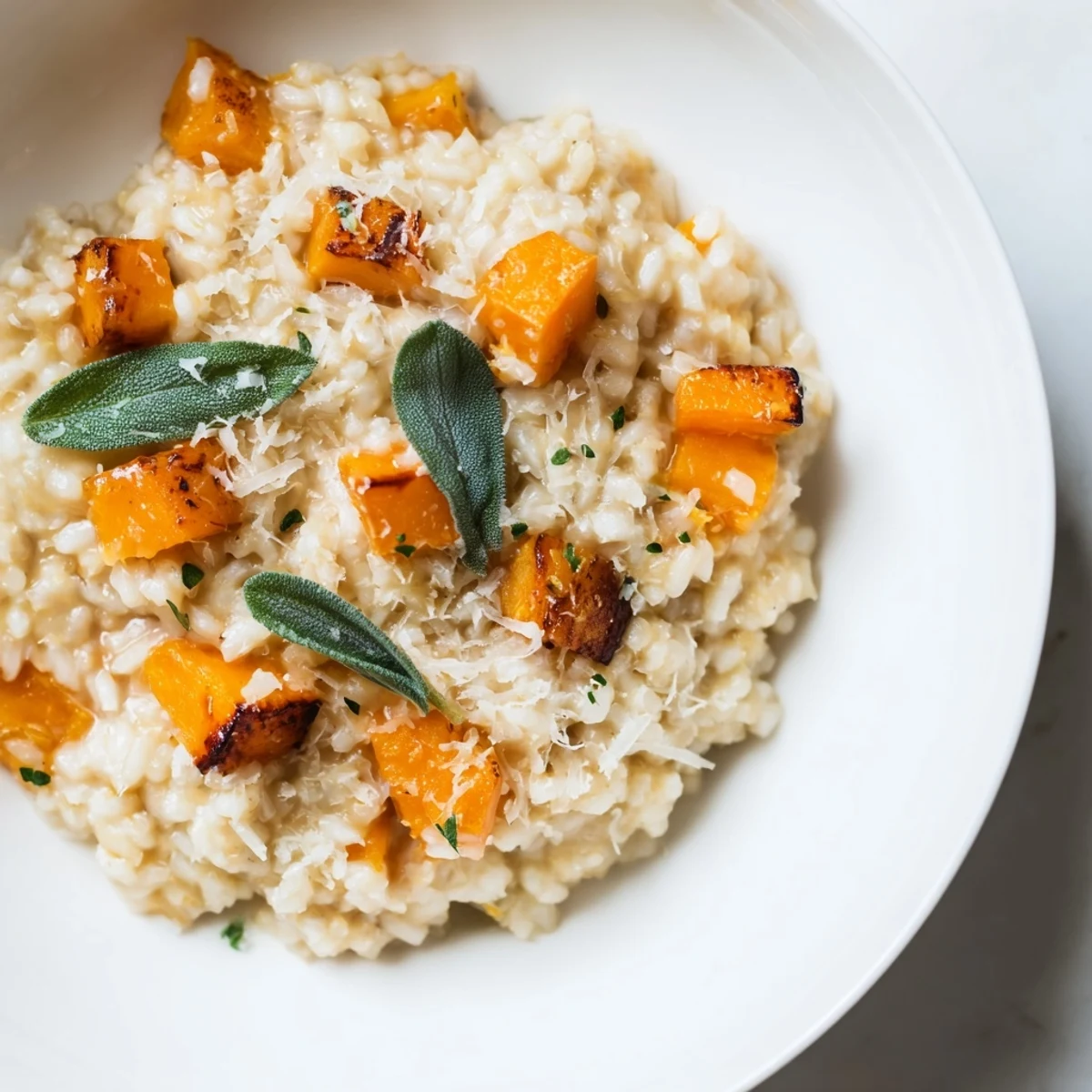
 This roasted butternut squash risotto combines tender caramelized squash with perfectly cooked Arborio rice for a luxuriously creamy texture. The aromatic sage and warm nutmeg create depth, while white wine and warm vegetable broth are gradually absorbed into the rice, developing a rich, velvety consistency.
The dish takes approximately one hour total—20 minutes prep and 40 minutes cooking. Roasting the butternut squash first brings out natural sweetness and creates caramelized edges that contrast beautifully with the creamy base. Finished with Parmesan cheese and fresh garnish, this versatile dish serves four as an elegant vegetarian main course.
The first snow of November was falling outside my kitchen window when I first experimented with this butternut squash risotto. Steam fogged the glass as the rich scent of caramelizing squash filled my small apartment. Something about the methodical stirring of risotto paired perfectly with watching snowflakes dance outside, creating a moment of culinary meditation that I've recreated every autumn since.
Last year, I served this risotto at an impromptu dinner when my sister showed up unannounced with travel stories and an empty stomach. We sat cross-legged on the floor, bowls balanced on our knees, as she described Italian marketplaces between appreciative bites. She paused mid-story to ask for the recipe, which I consider the highest compliment from someone who had just returned from actual Italy.
Ingredients
- Butternut squash: Look for one with a matte skin rather than shiny, which indicates it was harvested too early and will lack that crucial natural sweetness.
- Arborio rice: The high starch content is non-negotiable here, creating that signature creamy texture without adding cream.
- White wine: It adds acidity that balances the richness, but I once used the end of a champagne bottle when out of white wine and discovered it added a lovely brightness.
- Fresh sage: The earthy, slightly peppery flavor cuts through the sweetness of the squash, creating that perfect balance I spent three iterations getting just right.
Instructions
- Roast that squash to perfection:
- Spread the cubed butternut squash in a single layer, giving each piece room to breathe and caramelize properly. You want those edges to darken and concentrate their flavor, transforming from plain squash into little bites of autumn gold.
- Create your flavor foundation:
- When the butter and oil start to shimmer, add your onions and watch them slowly turn translucent, releasing their sweet aroma. This patient cooking builds the backbone of your risotto.
- Toast the rice:
- Let the Arborio rice dance in the oil until the edges turn translucent but the centers stay white. This quick toast helps the grains maintain their integrity through the cooking process.
- Begin the meditation:
- As you add the first ladleful of warm broth, listen for that satisfying sizzle before settling into the rhythm of stirring. The sound changes as the rice absorbs the liquid, becoming your cue for when to add more.
- Build layers slowly:
- Add broth one ladleful at a time, allowing each addition to be mostly absorbed before adding more. The rice will gradually release its starch, creating that signature creamy texture that makes risotto so comforting.
- Bring it all together:
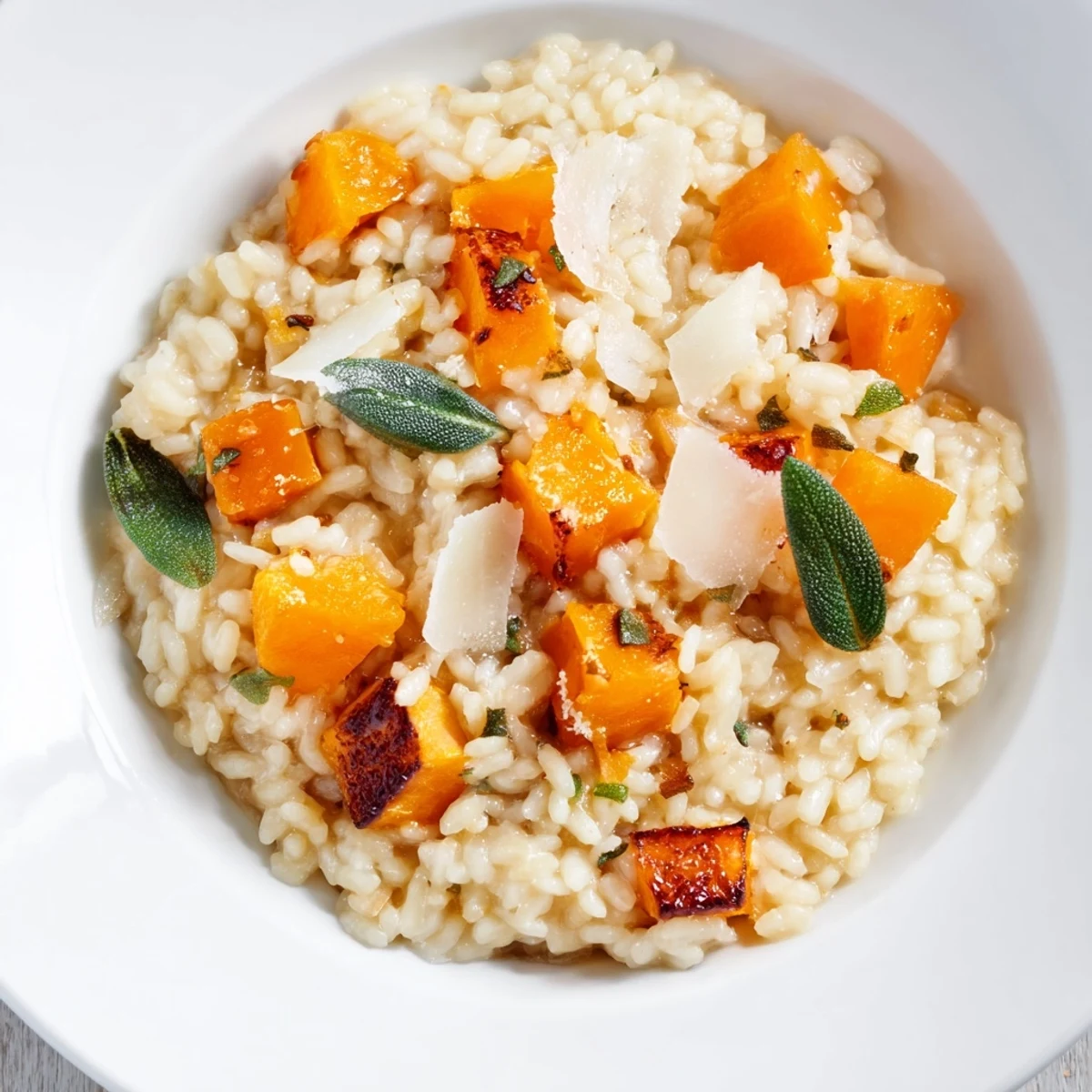
- Gently fold in your roasted squash, watching as some pieces maintain their shape while others melt slightly into the creamy rice. This textural contrast makes each bite interesting.
 Save to Pinterest
 During a particularly tough week last winter, I found myself making this risotto at midnight, standing in my kitchen with just the range hood light on. The familiar motions and aromas became a form of comfort cooking, and by the time I sat down with a steaming bowl, the day's stress had melted away just like those pieces of butternut squash into the creamy rice.
Making Ahead and Storage
Risotto has a reputation for being finicky with storage, but Ive found that this squash version actually maintains its charm when refrigerated. The flavors meld together overnight, and while it does firm up considerably, a splash of broth and gentle reheating brings it back to life with minimal texture loss.
Wine Pairing Suggestions
The natural sweetness of the butternut squash calls for a wine with enough acidity to cut through the richness while complementing the nutty Parmesan. I discovered this accidentally during a dinner party when we opened a crisp Pinot Grigio instead of the buttery Chardonnay Id planned on serving, and the contrast made both the wine and risotto shine brighter.
Customization Ideas
This recipe functions beautifully as a blank canvas for seasonal adaptations that Ive explored through countless iterations. Winter brought stirred-in roasted mushrooms that added earthiness and umami depth, while spring inspired a version with fresh peas and mint that brightened the entire dish.
- For a protein boost, add cooked and crumbled Italian sausage or pancetta in with the squash for a savory counterpoint to the sweetness.
- Substitute brown butter for regular butter to add a nutty complexity that enhances the sage and squash flavors exponentially.
- Finish with a drizzle of balsamic glaze if you want that sweet-tangy element that makes each bite pop with an additional dimension.
 Save to Pinterest
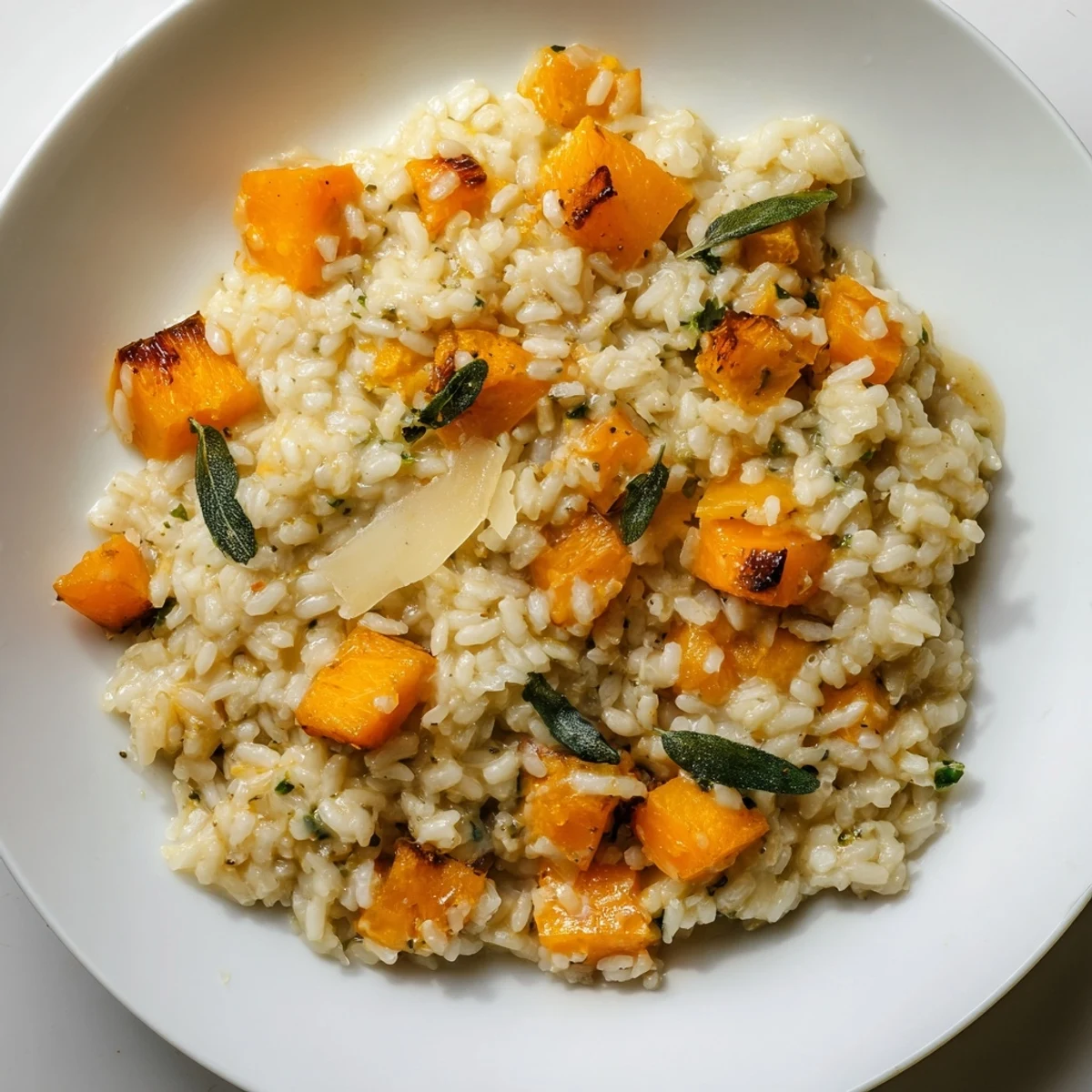
 This butternut squash risotto has become more than just a recipe in my collection, its a seasonal ritual that marks the transition into colder months. Each year I make it slightly differently, but the core remains the same: comfort in a bowl, created through patience and attention.
Questions & Answers
- → Why is Arborio rice essential for risotto?
-
Arborio rice has a high starch content that releases gradually during cooking, creating the characteristic creamy consistency without adding cream. Its firm center remains slightly al dente while the exterior becomes tender and luxurious.
- → Can I prepare the butternut squash ahead of time?
-
Yes, roast the butternut squash up to two days in advance and store in an airtight container in the refrigerator. Reheat gently before adding to the risotto, or add cold and stir to warm through the final minutes of cooking.
- → What happens if I stir the risotto too much or too little?
-
Frequent stirring releases starch from the rice grains, creating creaminess—stir too little and the rice becomes clumpy and dry. Aim for consistent, gentle stirring every 30-45 seconds. The motion should be relaxed, not vigorous.
- → How do I know when the risotto is properly cooked?
-
The rice should be creamy and flow slightly on the plate when spooned, not firm or soupy. Bite a grain—the center should be tender with just a slight firmness (al dente), and no hard chalky texture remains. Total cooking time is typically 18-20 minutes after adding broth.
- → Can I substitute the vegetable broth with another liquid?
-
Vegetable or chicken broth works best for savory risotto. Avoid broths with strong flavors that overpower the squash and sage. Always keep broth warm in a separate pot—cold broth interrupts cooking and creates uneven texture.
- → What's the best way to adapt this for dietary restrictions?
-
For vegan versions, use olive oil instead of butter and substitute nutritional yeast or vegan Parmesan for dairy cheese. For gluten-free, verify all broths and cheeses carry certification. The core technique remains unchanged, ensuring creamy, delicious results.