 Save to Pinterest
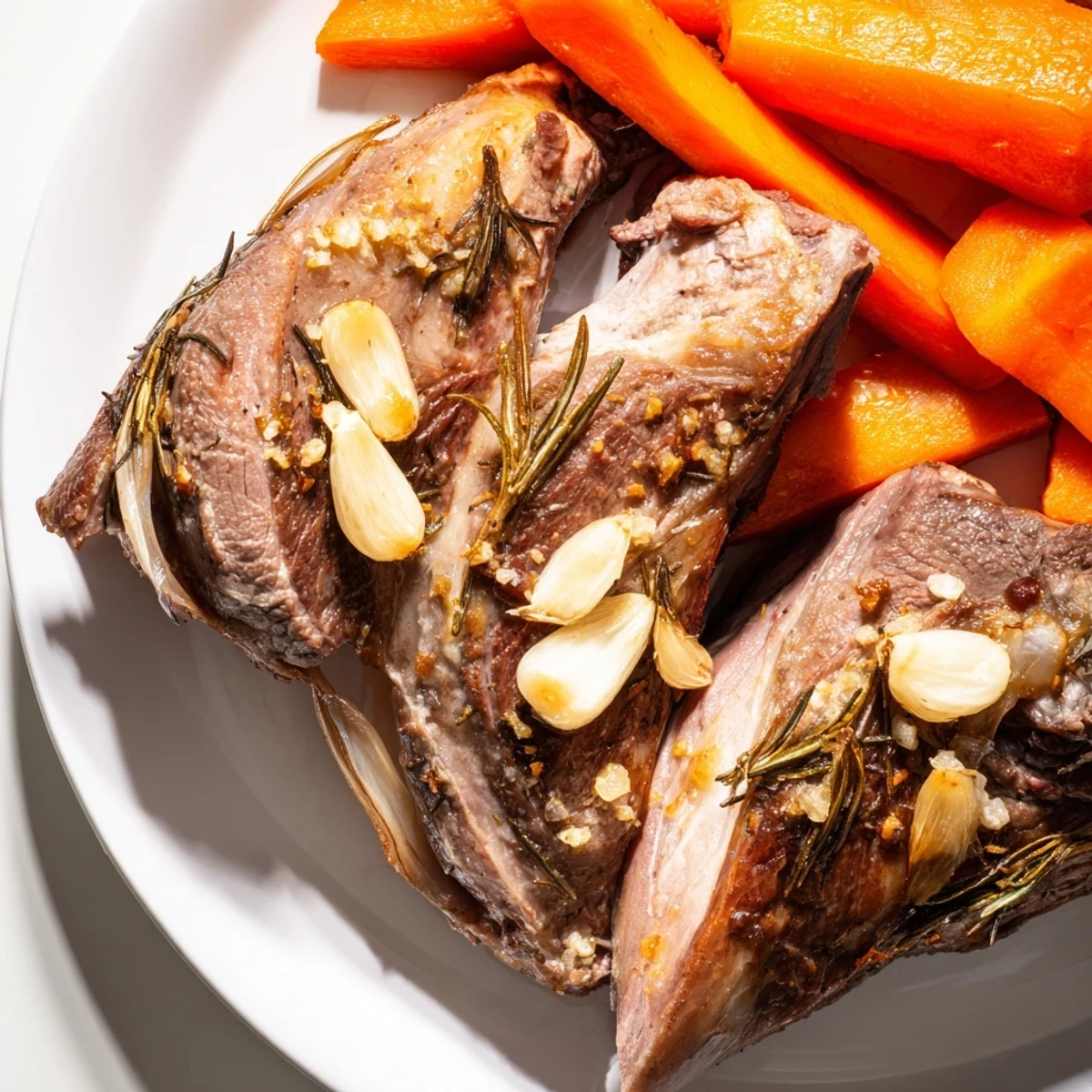
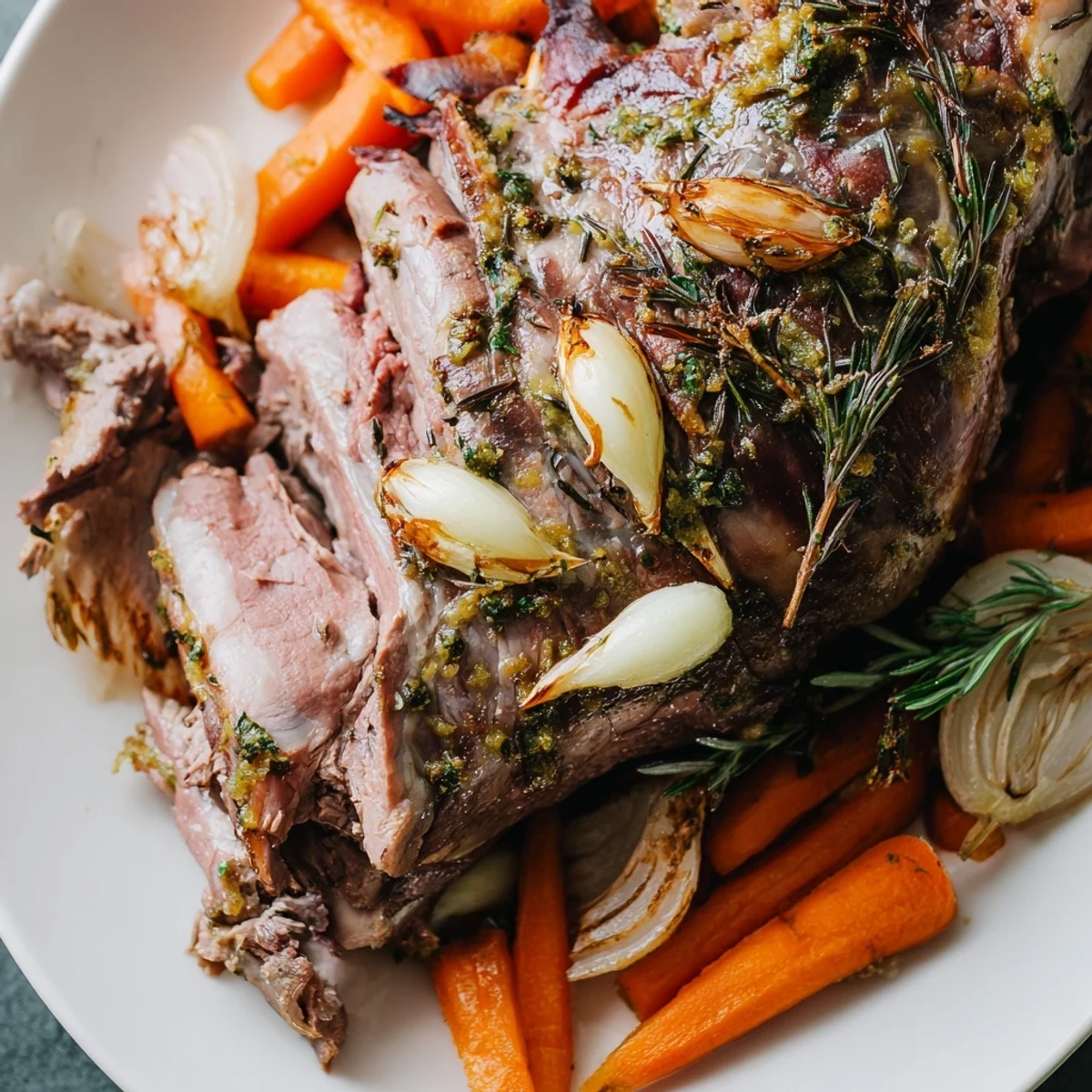
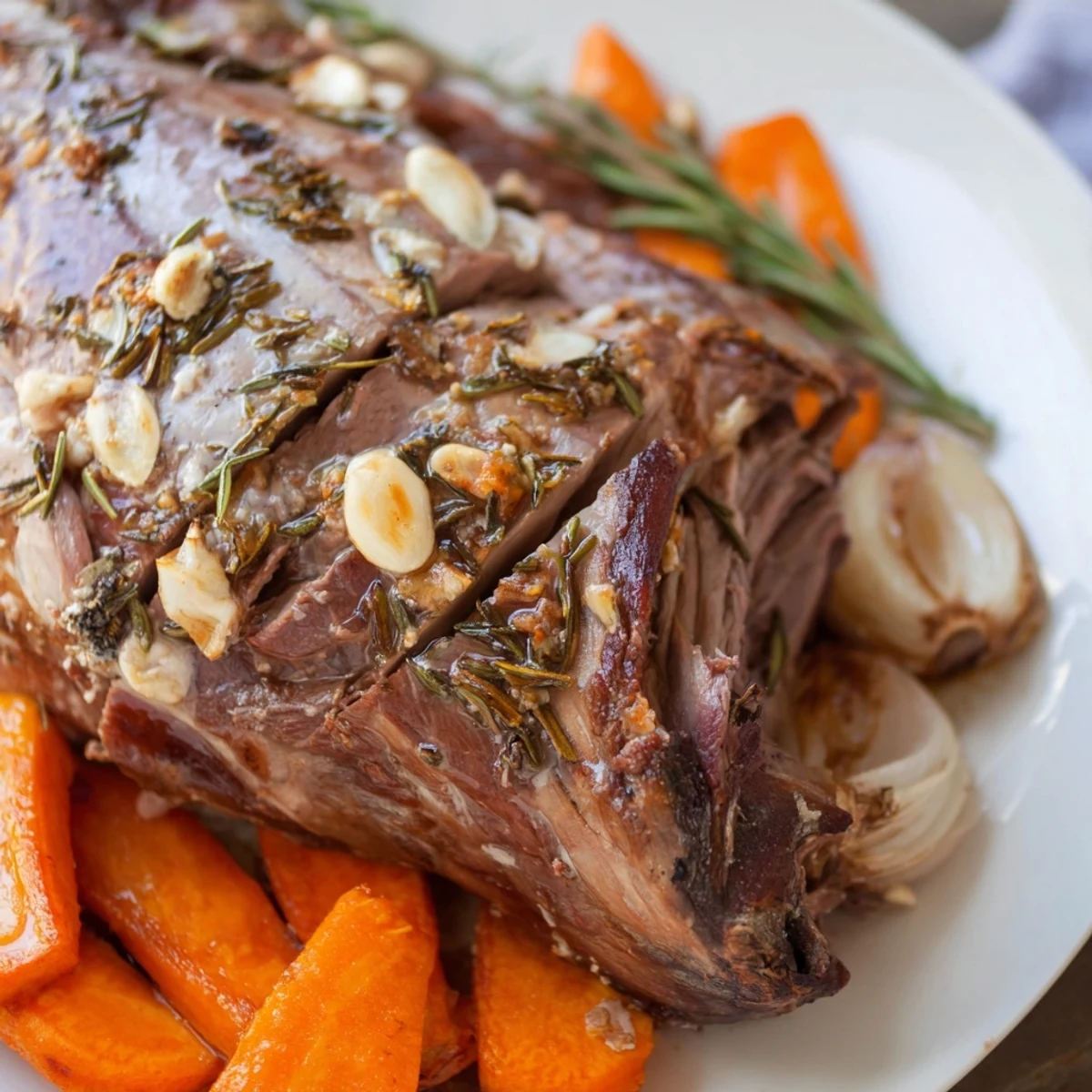
 This dish features a bone-in lamb leg seasoned with olive oil, garlic, fresh rosemary, thyme, lemon zest, sea salt, and black pepper. The lamb is deeply slashed and filled with garlic cloves, then roasted on a bed of thick onion slices, carrot chunks, and halved garlic bulb. Roasting begins at high heat before reducing temperature, ensuring tender and flavorful meat. After resting, the lamb is served with the caramelized vegetables and pan juices, creating a hearty and aromatic main course perfect for gatherings.
The smell of roasting lamb still takes me back to my grandmother's kitchen, where she'd let me help push garlic cloves into the meat with my small fingers.
I once made this for Easter dinner when my oven thermostat was acting up, and we all took turns checking the meat with a thermometer like it was a sacred ritual.
Ingredients
- Leg of Lamb: Bone-in adds depth to the pan juices and helps the meat cook evenly, plus it looks magnificent at the table
- Fresh Rosemary: Woody herbs like rosemary hold up to high roasting temperatures better than delicate leafy herbs
- Garlic: Tucking halved cloves into slits distributes flavor throughout the meat, not just on the surface
- Lemon Zest: Brightens the rich lamb and cuts through the natural sweetness of roasted vegetables
- Bed of Vegetables: Onions, carrots, and garlic underneath prevent the meat from sitting in grease and create a natural roasting rack
- White Wine or Stock: Deglazes the pan as it roasts, creating those flavorful drippings you'll want to spoon over everything
Instructions
- Preheat and Prepare:
- Set your oven to 200°C (400°F) and pat the lamb completely dry with paper towels for better searing.
- Make the Herb Paste:
- Whisk together the olive oil, chopped rosemary, thyme, lemon zest, salt, and pepper in a small bowl until fragrant.
- Insert the Garlic:
- Use a sharp knife to cut deep slits all over the lamb and tuck a garlic clove half into each one.
- Season the Lamb:
- Rub the herb mixture all over the lamb, pressing it gently into the meat to ensure it sticks.
- Prepare the Roasting Pan:
- Spread the onions, carrots, and halved garlic bulb in the bottom of a large roasting pan.
- Start Roasting:
- Place the lamb on the vegetables and pour in the wine, then roast at high heat for 20 minutes.
- Finish Roasting:
- Lower the temperature to 180°C (350°F) and cook for about 1 hour 10 minutes, basting occasionally until it reaches 60°C (140°F) for medium-rare.
- Rest the Meat:
- Let the lamb rest under foil for at least 15 minutes so the juices redistribute through the meat.
- Carve and Serve:
- Slice against the grain and serve with the roasted vegetables and pan juices spooned over everything.
 Save to Pinterest
 My sister once refused to let the lamb rest, and we all learned a messy lesson about why patience matters in cooking.
Timing Your Roast
Every leg of lamb cooks differently based on shape and size. Start checking the temperature about 30 minutes before you expect it to be done, and remember that bone-in takes longer than boneless cuts.
Choosing the Right Lamb
Look for meat with good marbling and a layer of fat on top. Spring lamb is milder, while lamb from other seasons has a more pronounced flavor that stands up well to bold herbs.
Leftovers and Storage
Leftover lamb makes incredible sandwiches the next day, especially with some of those roasted vegetables and a swipe of grainy mustard.
- Wrap leftovers tightly and store in the refrigerator for up to 3 days
- The flavors actually improve overnight, making it perfect for meal prep
- Freeze sliced meat in portions for up to 3 months if you somehow have leftovers
 Save to Pinterest
 There is something deeply satisfying about carrying a perfectly roasted leg of lamb to the table, seeing everyone lean in instinctively as that incredible aroma fills the room.
Questions & Answers
- → How do I ensure the lamb stays tender?
-
Score the lamb leg and insert garlic to infuse flavor. Roasting at an initial high temperature followed by a lower temperature helps lock in juices, and resting the meat allows fibers to relax for tenderness.
- → Can I substitute the vegetables used for roasting?
-
Yes, baby potatoes or parsnips can replace carrots to offer different textures and flavors while still providing a savory bed for roasting.
- → What is the best oven temperature and timing for this dish?
-
Begin roasting at 200°C (400°F) for 20 minutes, then reduce to 180°C (350°F) and continue cooking for 1 hour 10 minutes for medium-rare meat.
- → Is marinating the meat necessary?
-
Marinating overnight enhances depth of flavor but can be skipped if time is short. The herb rub still imparts a robust aroma and taste.
- → What liquids are ideal to add during roasting?
-
Dry white wine or low-sodium chicken stock adds moisture and enriches the pan juices, contributing to a well-rounded savory profile.