
 Save to Pinterest
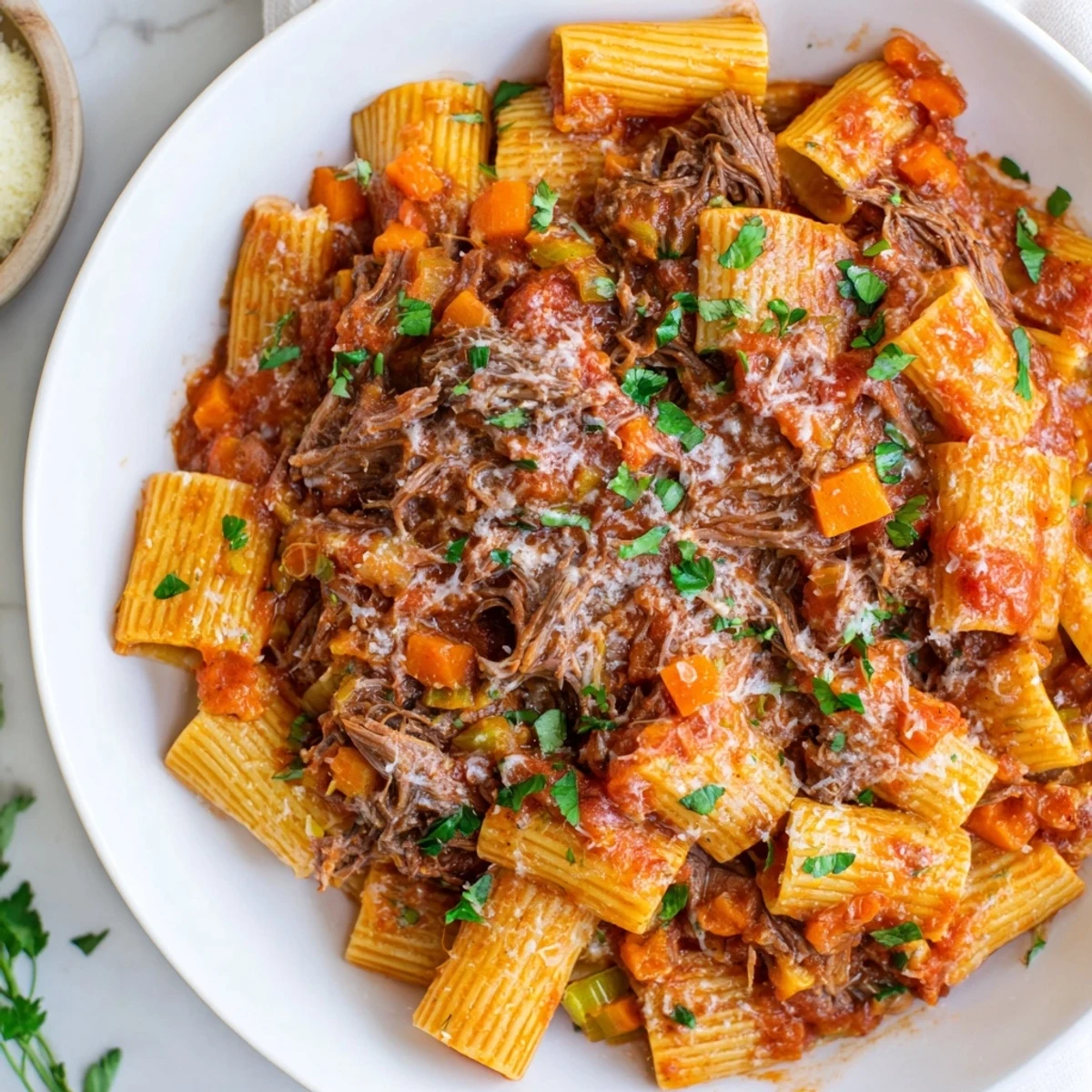
 This rich Italian-style ragu features tender beef chuck slow-cooked with aromatic vegetables, crushed tomatoes, and herbs. After eight hours, the meat shreds easily into a hearty sauce perfect for tossing with pasta or serving over creamy polenta for a comforting, authentic meal.
My neighbor Maria stopped by one October afternoon with a container of the most fragrant meat sauce I'd ever smelled, and suddenly my entire approach to weeknight dinners shifted. She'd been simmering it since morning in her old slow cooker, and the aroma alone made me understand why she made triple batches. I asked for her secret, and she laughed—there was no secret, just time and good beef allowed to become something better than itself. That's when I learned that ragu doesn't need to be complicated; it just needs patience.
I made this for a dinner party on a rainy Saturday, and my friend Tom walked in mid-afternoon, stopped in the doorway, and just closed his eyes while inhaling. He didn't even take off his coat—he just stood there breathing it in like it was the most important thing that had happened to him all week. By the time we sat down to eat, the sauce had transformed the pasta into something almost ceremonial. That's when cooking for people stopped feeling like a chore and started feeling like a privilege.
Ingredients
- Beef chuck roast, cut into 2-inch pieces (2 lbs): This cut has enough marbling to break down beautifully over hours, becoming tender without falling apart entirely—avoid lean cuts that turn stringy.
- Kosher salt and freshly ground black pepper: Season the beef generously before searing; it's your first chance to build layers of flavor.
- Yellow onion, finely chopped (1 large): The foundation that softens into the sauce and balances the acidity of the tomatoes.
- Carrots and celery, diced (2 medium carrots, 2 stalks): Together with onion they create the holy trinity that tastes like comfort; their sweetness emerges after hours of cooking.
- Garlic cloves, minced (4): Add these after sautéing the other vegetables so they don't burn and turn bitter in the skillet.
- Crushed tomatoes (28 oz can): The backbone of the sauce; look for whole peeled tomatoes that have been crushed rather than pre-crushed cans, if you can find them.
- Tomato paste (2 tbsp): This concentrated version adds depth without making the sauce taste one-dimensional or overly tomatoey.
- Dry red wine (½ cup): Choose something you'd actually drink—Chianti or a standard red—because cheap wine turns vinegary after eight hours.
- Beef broth (½ cup): Use low-sodium if you have it so you can control the final salt level.
- Oregano, basil, thyme, and bay leaf: Dried herbs work perfectly here since they soften into the sauce; fresh herbs would turn to dust.
- Red pepper flakes (¼ tsp, optional): A whisper of heat that makes you think about what you're tasting without announcing itself.
- Unsalted butter (2 tbsp): Stirred in at the end, it rounds out the sauce and gives it a glossy, refined finish.
- Fresh parsley and Parmesan cheese: The parsley brightens everything at the last second; the Parmesan adds a savory note that feels like a luxury.
Instructions
- Season and sear your beef:
- Pat the chunks dry with paper towels—moisture prevents browning—then season generously with salt and pepper. Heat your skillet over medium-high heat until it's almost smoking, then place beef in batches so you're not crowding the pan. Listen for that aggressive sizzle; it means the meat is developing a crust. About five minutes total gives you a deep golden-brown exterior.
- Build your flavor base:
- Once the beef is in the slow cooker, add onion, carrots, celery, and garlic to that same hot skillet—the browned bits stuck to the bottom are liquid gold. Stir and cook for three to four minutes until the vegetables start to soften and smell sweet. This step is where you're layering texture and flavor before everything melds together.
- Combine everything:
- Pour the crushed tomatoes, tomato paste, wine, and broth into the slow cooker. Stir in your dried herbs and bay leaf, and if you like heat, add the red pepper flakes. Give everything a good stir so the tomato paste dissolves and distributes evenly.
- Let time do the work:
- Cover the slow cooker and set it to LOW. Eight hours is the magic number—the beef becomes so tender it shreds with the gentlest pressure, and the sauce develops a deep, complex flavor that tastes like someone's been standing over a stove all day. Resist the urge to lift the lid constantly; every peek lets heat escape.
- Finish with finesse:
- Remove the bay leaf, then use two forks to shred the beef right in the slow cooker. Stir in butter and fresh parsley, taste it, and adjust salt or pepper if needed—the slow cooking can sometimes mute seasoning, so trust your palate.
- Serve with intention:
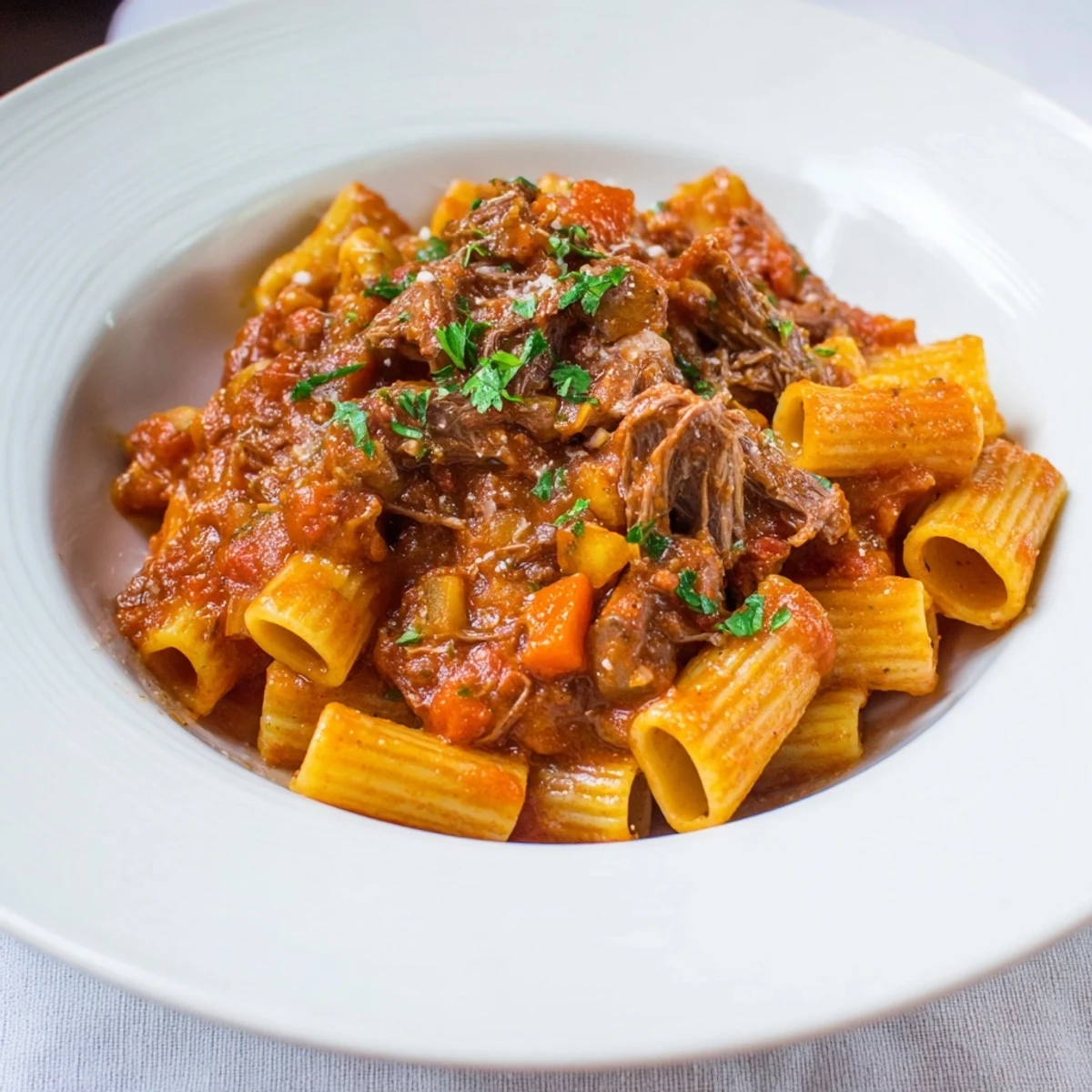
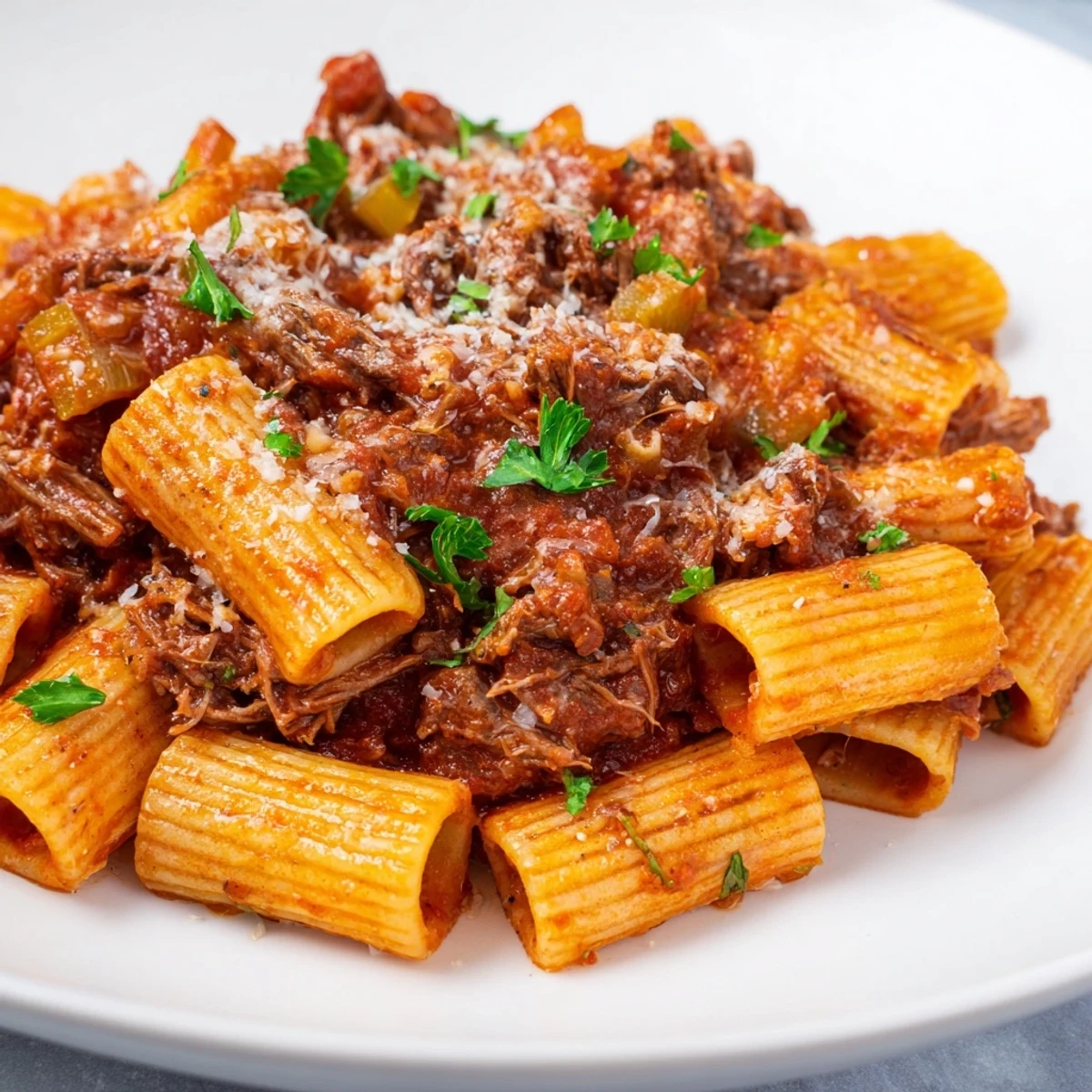
- Ladle the sauce over hot pasta, creamy polenta, or even crusty bread, and top with grated Parmesan. The beauty of this sauce is that it's forgiving and flexible—it becomes whatever you pair it with.
 Save to Pinterest
 Years later, my daughter asked me to teach her how to make ragu, and as we chopped vegetables together in my kitchen, I realized this sauce had become our own small tradition. It's more than food; it's the excuse to slow down, to fill the house with good smells, and to feed people we care about with something that tastes like it took more effort than it actually did.
Make-Ahead and Storage
This sauce thrives on rest and actually tastes better the next day after the flavors have settled and married together overnight in the refrigerator. It keeps in an airtight container for four days, and freezes brilliantly for up to three months—portion it into smaller containers so you can thaw only what you need. On a rushed weeknight, defrost it gently in the slow cooker on LOW while you cook pasta, and dinner comes together in the time it takes to boil water.
Wine and Pairings
The red wine in this sauce isn't just flavoring; it's adding tannins and depth that make the beef taste richer and more complex. Choose a wine with character—a Chianti, Barolo, or even a rustic Côtes du Rhône—because the long cooking mellows any rough edges and pulls those flavors into the sauce itself. If you're serving this same wine at the table, all the better; the sauce and glass complement each other in a way that feels intentional and warm.
Variations and Inspiration
Once you understand the technique, this sauce becomes a canvas for your own additions and preferences. Some cooks add a splash of balsamic vinegar for sweetness, others stir in a pinch of cinnamon or nutmeg for subtle warmth, and a few adventurous souls have added a spoonful of anchovy paste—which sounds strange until you taste how it deepens everything without tasting fishy. The slow cooker method is so forgiving that you can experiment freely and trust the long cooking time to integrate whatever you add.
- Try a mix of beef and ground pork for a lighter but still deeply flavored sauce, or use half beef chuck and half short ribs for extra richness.
- Add a handful of mushrooms (cremini or porcini) in the last two hours to introduce an earthy, umami note.
- Serve over creamy polenta instead of pasta for a completely different experience that feels almost decadent.
 Save to Pinterest
 This ragu isn't fancy or complicated, but it's honest and generous—the kind of food that reminds you why cooking matters. Make it when you have a day to let it simmer, and you'll understand why my neighbor makes it in triple batches.
Questions & Answers
- → What cut of beef works best?
-
Beef chuck roast is ideal because it becomes tender and shreds easily after long cooking.
- → Can I freeze the sauce?
-
Yes, the ragu can be made ahead and frozen in an airtight container for up to three months.
- → What pasta pairs well?
-
Wide noodles like pappardelle or fettuccine hold the hearty meat sauce beautifully.
- → Can I use ground meat?
-
You can substitute lean ground beef or turkey for a lighter version, though the texture will differ.
- → How do I thicken the sauce?
-
If the sauce is too thin, uncover the slow cooker for the last hour to reduce the liquid.