
 Save to Pinterest
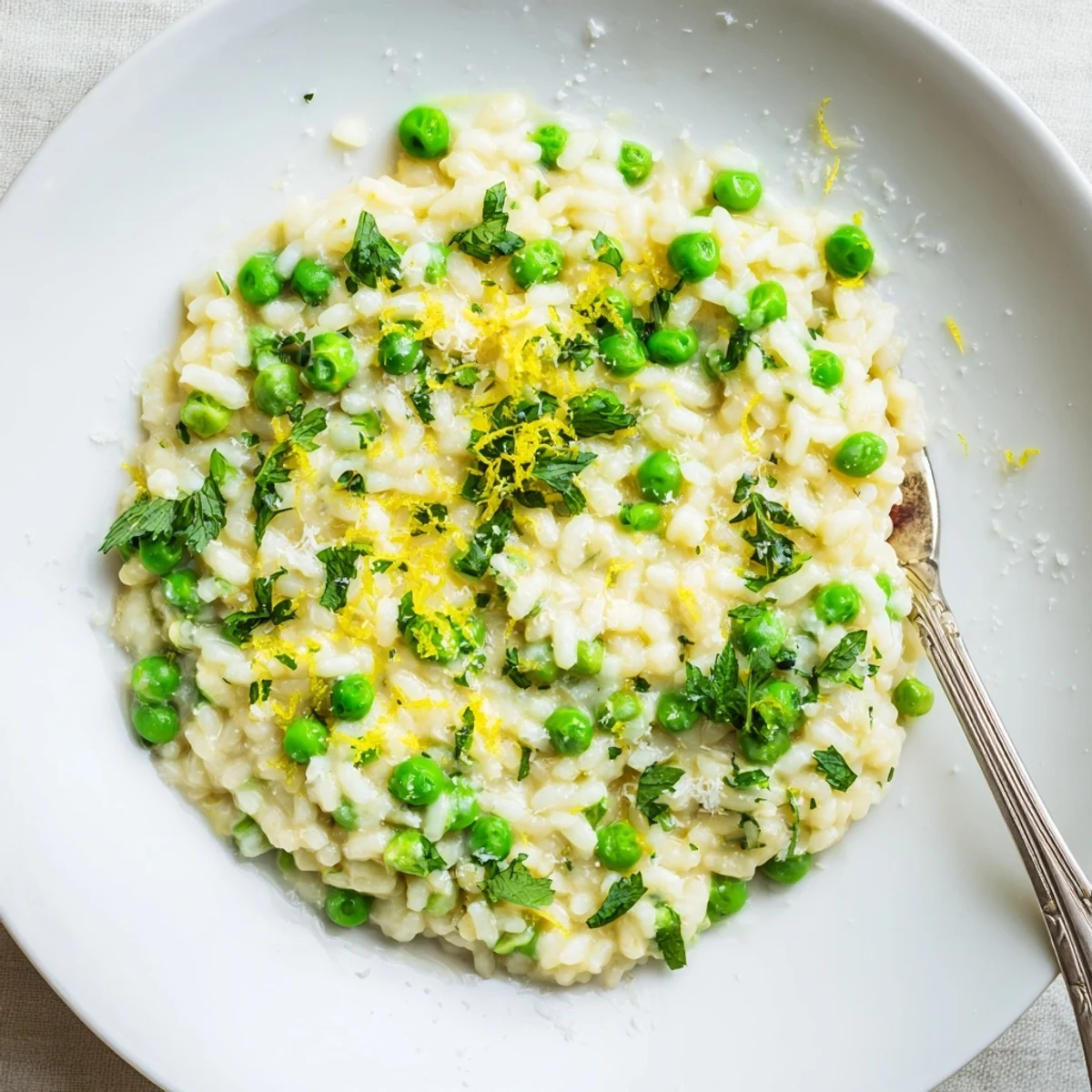
 This vibrant Italian dish transforms Arborio rice into a creamy, luxurious base for sweet spring peas. The traditional technique calls for slowly adding warm broth while stirring constantly, releasing the rice's natural starches for that signature velvety texture. Fresh parsley and mint add brightness, while aged Parmesan brings depth and umami. Ready in just 45 minutes, this vegetarian main course celebrates seasonal produce at its finest.
The first time I made risotto was on a rainy Tuesday when I needed something comforting but didn't want to spend hours at the stove. I'd always heard risotto was fussy and demanding, but stirring that creamy rice became almost meditative. Now whenever spring peas appear at the farmers market, this green-flecked version is my go-to for weeknight dinners that feel special.
Last spring I served this to my friend who claimed she hated risotto because it was always too heavy. She took one bite, eyes widening, and asked for seconds before I'd even sat down. The bright herbs and sweet peas cut through the richness in a way that completely changed her mind about what risotto could be.
Ingredients
- 1 1/2 cups Arborio rice: This short-grain rice releases starch slowly creating that signature creamy texture. I've tried other rice types but nothing gives the same results.
- 4 cups vegetable broth: Keep it warm in a separate pan. Adding cold broth shocks the rice and breaks the creamy emulsion you're working to build.
- 1 cup spring peas: Fresh peas are incredible but frozen work beautifully too. Just add them straight from the freezer no thawing needed.
- 1 small onion: Finely chopped so it melts into the rice. A sharp knife here makes all the difference in texture.
- 2 cloves garlic: Minced and added after the onion so it doesn't burn and turn bitter.
- 1/2 cup dry white wine: Something you'd enjoy drinking. The alcohol cooks off but the fruity acidity stays and brightens the dish.
- 3 tablespoons unsalted butter: Divided use. One tablespoon for sautéing the rest for finishing. Room temperature butter melts in more evenly.
- 1/2 cup grated Parmesan cheese: The salty umami that ties everything together. Grate it yourself from a wedge pre-grated cheese resists melting smoothly.
- 2 tablespoons olive oil: Helps prevent the butter from burning while you sauté the aromatics.
- 2 tablespoons fresh parsley: Finely chopped for color and fresh flavor that balances the richness.
- 1 tablespoon fresh mint: Optional but I highly recommend it. Just a little adds an unexpected brightness that makes people ask what's different.
- Lemon zest: The secret weapon. It wakes up all the other flavors without adding acidity that could curdle the dairy.
- Salt and pepper: Taste at the end. The broth and Parmesan both add salt so you might need less than expected.
Instructions
- Get your broth warm:
- Pour the vegetable broth into a medium saucepan and bring it to a gentle simmer. Keep it warm over low heat throughout the cooking process. This is the step many skip but it makes a noticeable difference in texture.
- Build your flavor base:
- In a large heavy-bottomed skillet heat the olive oil and 1 tablespoon butter over medium heat. Add the chopped onion and sauté for 2 to 3 minutes until it turns translucent and soft. Stir in the garlic and cook for just 1 minute until fragrant but not browned.
- Toast your rice:
- Add the Arborio rice to the pan and stir constantly for 2 minutes. You want the grains to look slightly translucent around the edges and smell nutty. This toasting helps the rice hold its texture during cooking.
- Deglaze with wine:
- Pour in the white wine and keep stirring until it's nearly completely absorbed. The kitchen should smell amazing right about now. Letting the wine reduce concentrates its flavor before you start adding broth.
- Begin the ladling process:
- Add about 1/2 cup of warm broth to the rice. Stir gently and wait until most of the liquid is absorbed before adding the next ladleful. This slow addition is what creates the creamy sauce.
- Keep adding and stirring:
- Continue adding broth one ladle at a time stirring often for 18 to 20 minutes. The rice should be creamy but still have a slight bite in the center. This is when patience really pays off.
- Add the peas:
- About 5 minutes before the rice is done add your peas. They only need a few minutes to cook through and you want them bright green not gray and mushy.
- Finish like a pro:
- Remove from heat and stir in the remaining butter Parmesan parsley mint and lemon zest. The residual heat will melt everything together into glossy perfection. Taste and adjust salt and pepper.
- Serve it up:
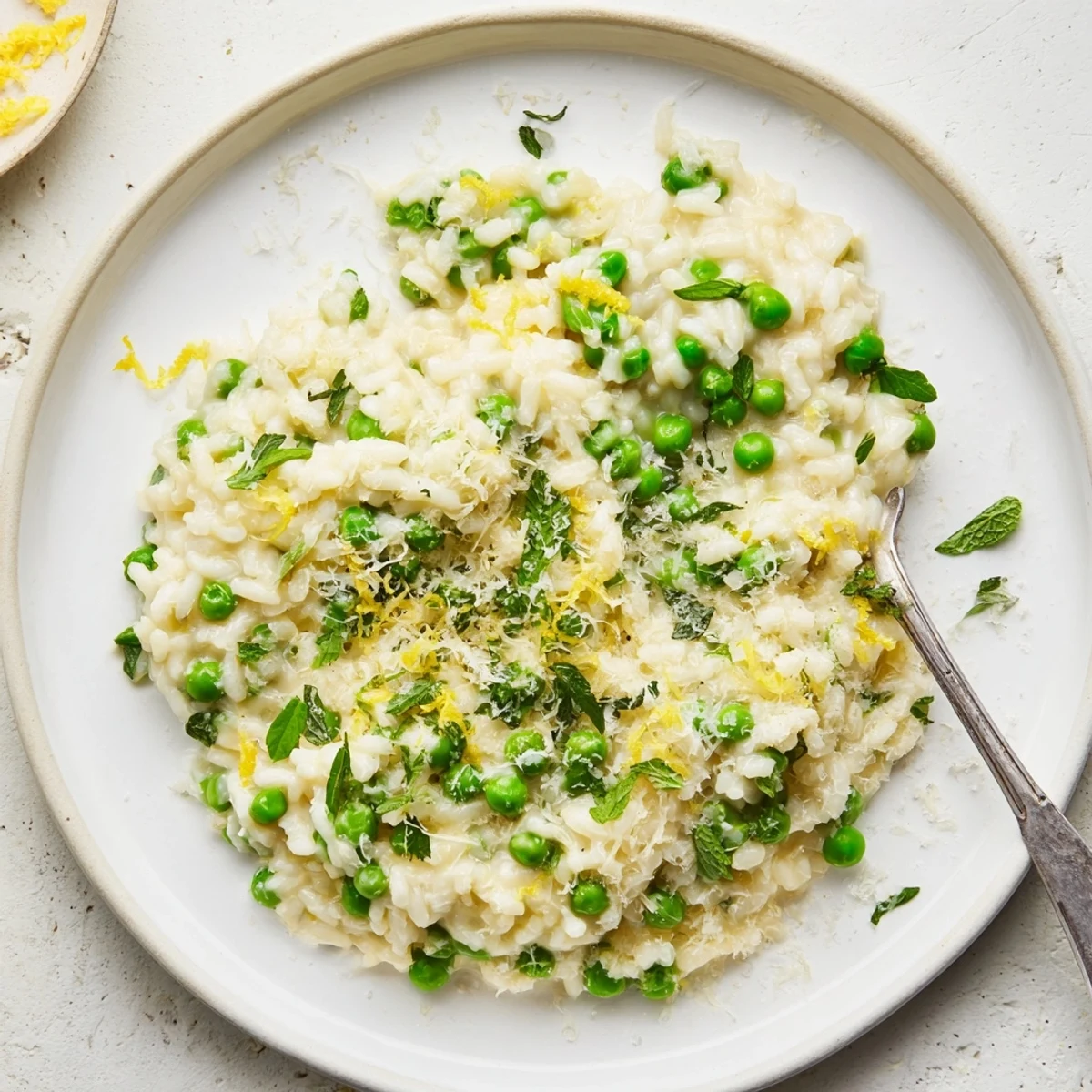
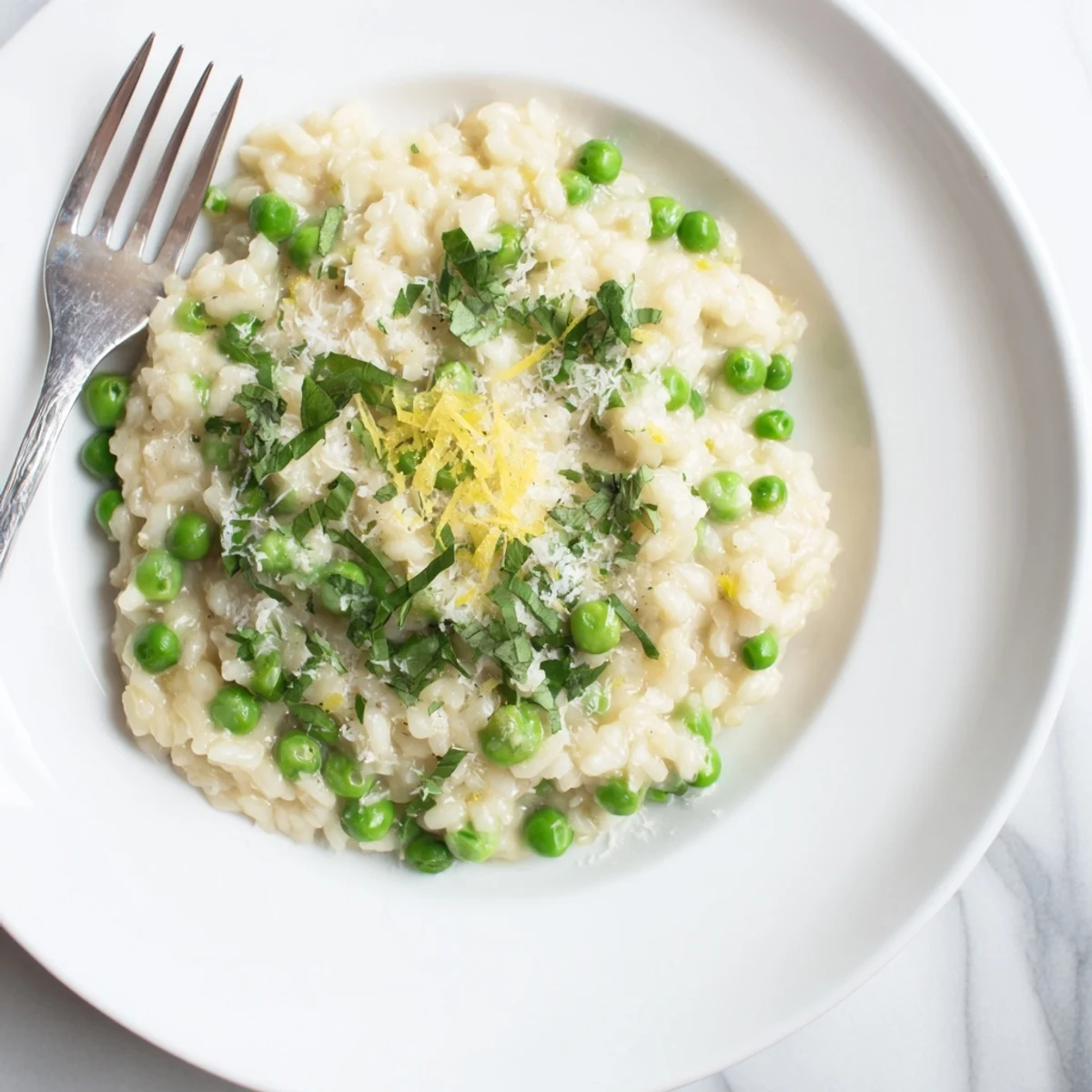
- Risotto waits for no one. Serve immediately in warmed bowls with extra Parmesan and a few herb leaves scattered on top. It continues to thicken as it sits so enjoy it right away.
 Save to Pinterest
 My sister-in-law asked for the recipe after Easter dinner and now she makes it every Sunday. Her kids call it the green rice and actually request seconds which feels like the highest compliment I could receive.
Choosing Your Wine
I've made this with everything from expensive Pinot Grigio to the cheap bottle I keep in the pantry for cooking. Honestly they both work. The wine mostly cooks away so use something dry that you'd drink but don't stress about the quality. Sauvignon Blanc adds a nice herbal note that plays well with the peas.
Making It Vegan
My dairy-free friends love this version. Skip the butter entirely and use more olive oil instead. For the Parmesan I've found that nutritional yeast adds the salty umami kick without dairy or you can use a vegan Parmesan alternative from the store. The risotto will still be creamy and satisfying.
Serving Suggestions
This risotto is substantial enough to stand alone as a main but I've served it alongside roasted salmon and it was perfect. A simple green salad with lemon vinaigrette cuts through the richness nicely. If you want to stretch it to feed more people serve smaller portions as a first course.
- Grilled asparagus makes a perfect spring companion
- A crisp white wine brings everything together
- Leftovers reheat surprisingly well with a splash of broth
 Save to Pinterest
 There's something about the rhythm of making risotto that slows down the whole evening and makes even a weeknight dinner feel like a proper occasion. Hope this brings some spring comfort to your table too.
Questions & Answers
- → Why is Arborio rice essential for this preparation?
-
Arborio rice contains high starch content that releases during cooking, creating the signature creamy consistency. The short, plump grains absorb liquid slowly while maintaining a pleasant al dente bite at the center.
- → Can I use frozen peas instead of fresh?
-
Absolutely. Frozen peas work beautifully and often provide consistent sweetness year-round. Add them directly to the simmering rice during the final five minutes of cooking—no need to thaw beforehand.
- → How do I know when the rice is perfectly cooked?
-
Taste the grains. Properly cooked risotto should be tender but still offer slight resistance at the center—this is the al dente stage. The texture should be creamy and流动, not soupy or stiff.
- → What wine works best in this preparation?
-
A dry white wine like Pinot Grigio or Sauvignon Blanc adds acidity and complexity. Avoid sweet wines, as they'll unbalance the dish. If you prefer not to use wine, substitute with additional broth and a splash of lemon juice.
- → How can I make this vegan?
-
Replace butter with olive oil or vegan butter, and use nutritional yeast or vegan Parmesan in place of dairy cheese. The technique remains identical—you'll still achieve that luxurious creaminess through proper starch release.
- → Why must the broth be added gradually?
-
Slow addition allows the rice to absorb liquid evenly while releasing starch continuously. This method creates the silky, emulsified texture that distinguishes excellent risotto. Rushing this step results in gummy or separated grains.