
 Save to Pinterest
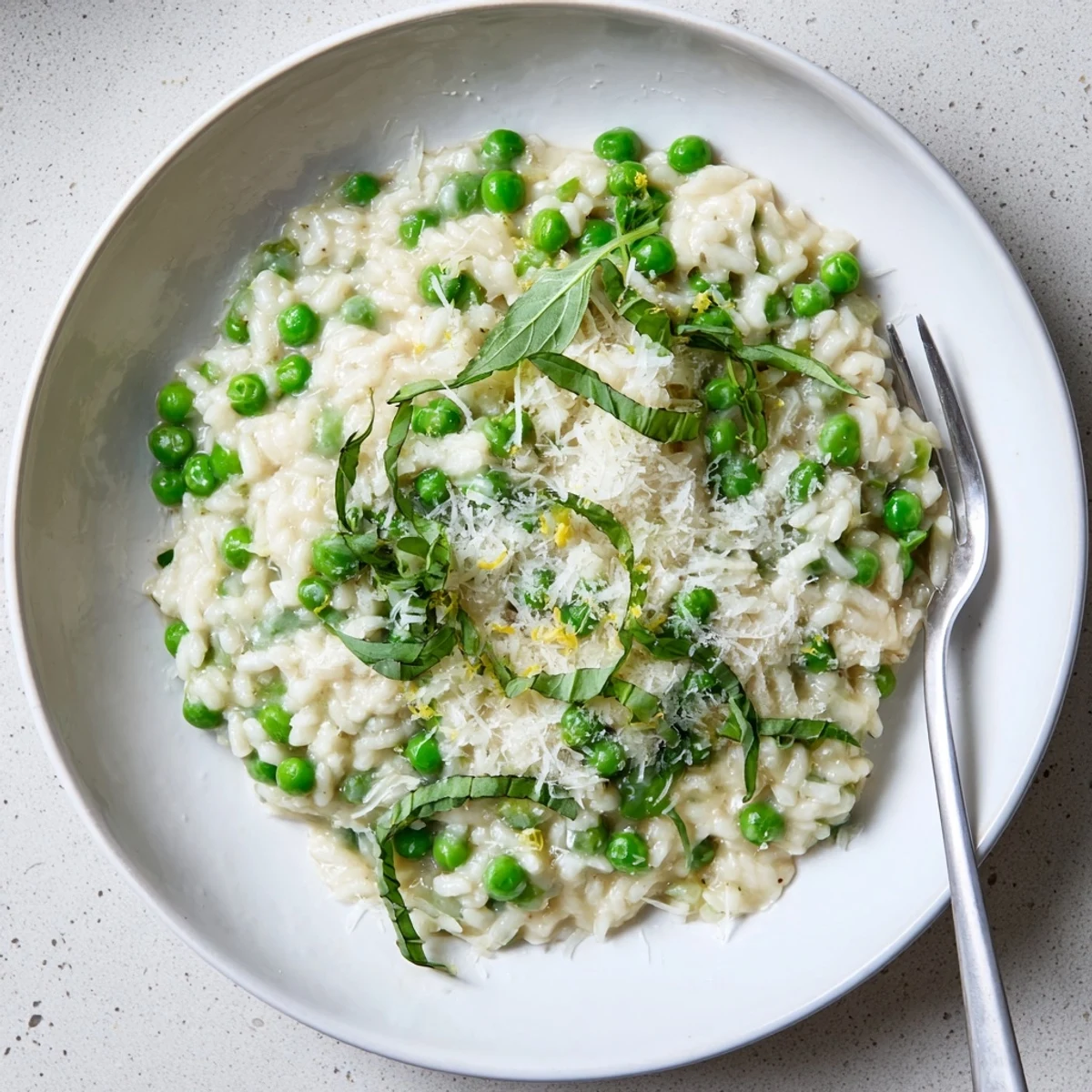
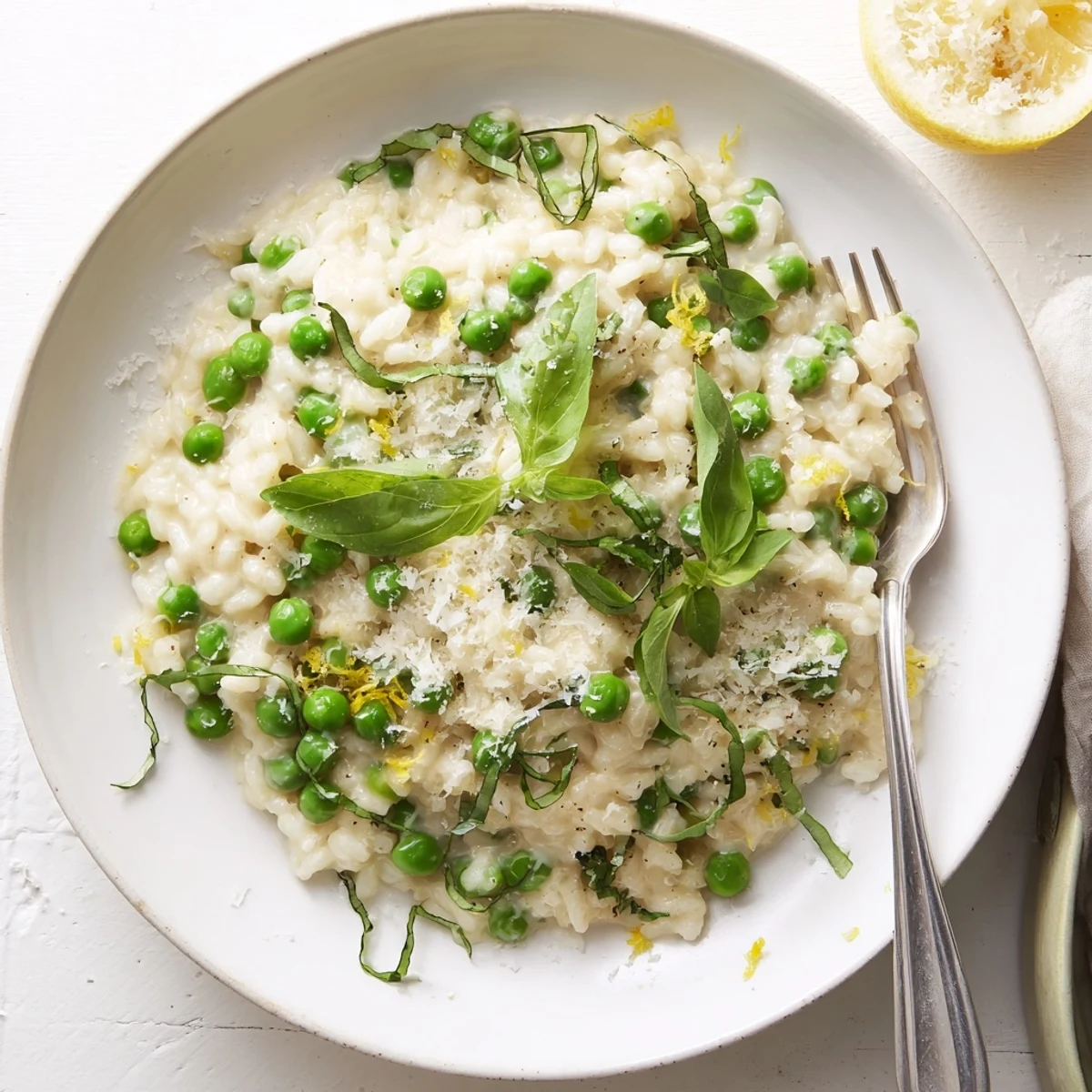
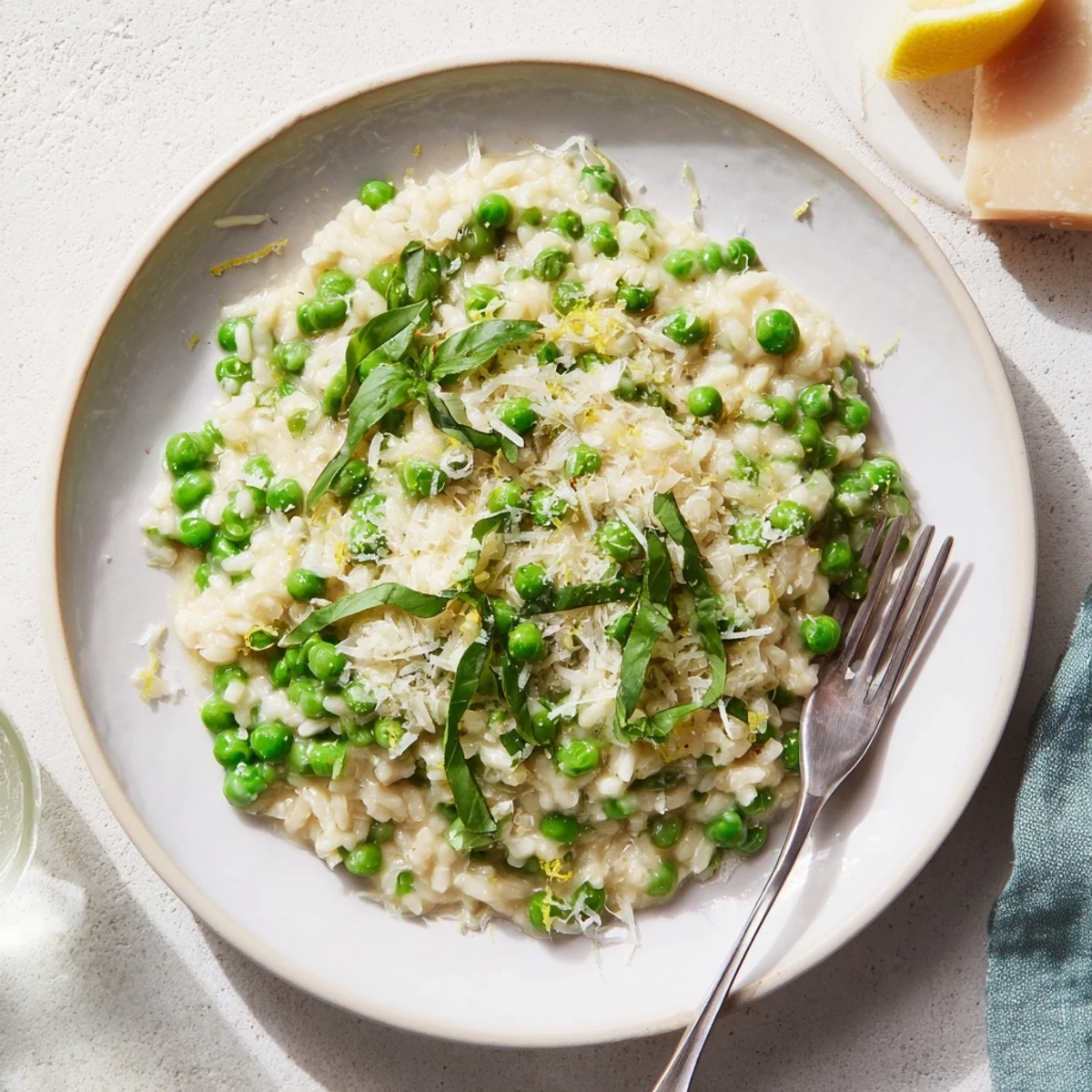
 This vibrant Italian dish transforms Arborio rice into a velvety masterpiece through the traditional slow-addition technique. Sweet spring peas bring freshness and color, while aged Parmesan adds nutty depth. Fresh basil and a touch of lemon brighten each bite, creating a balanced main course that feels indulgent yet light.
The process involves gradually warming vegetable broth while toasting rice with butter and aromatics. Adding broth ladle by ladle releases the rice's natural starches, creating that signature creamy texture without heavy cream. Peas join during the final minutes to maintain their bright green color and sweet flavor.
Perfect for entertaining or a cozy weeknight dinner, this dish pairs beautifully with crisp white wine and a simple green salad.
The first time I made risotto, I stood at the stove for forty minutes, convinced I had ruined it completely. My rice was still crunchy, the broth had disappeared too quickly, and I was certain Italian cuisine was simply beyond my reach. But somehow, with a little more patience and another splash of wine, it transformed into the creamiest, most comforting dish I had ever made. That moment taught me that risotto rewards persistence more than perfection.
Last April, my friend Sarah came over for dinner after a brutal week at work. She watched me stir the rice, adding broth ladle by ladle, and told me the rhythmic motion was actually therapeutic. We stood there talking while the peas turned bright green and the Parmesan melted in, and by the time we sat down to eat, she declared it the most comforting meal she'd had in months. Sometimes the best cooking isn't about technique—it's about being present.
Ingredients
- Arborio rice: This short-grain rice releases starch as it cooks, creating that signature creamy texture that makes risotto so special
- Low-sodium vegetable broth: Keeping it warm prevents shocking the rice with cold liquid, and controlling the salt lets you season precisely at the end
- Olive oil and butter: The combination gives you flavor from the butter while preventing burning with the oil's higher smoke point
- Yellow onion: Finely diced so it melts into the rice, providing a subtle sweet foundation without any chunky texture
- Garlic: Minced fresh garlic adds a fragrant backbone that complements the peas without overwhelming them
- Spring peas: Fresh or frozen, they bring sweetness and vibrant color that makes the dish feel lighter than traditional risotto
- Parmesan cheese: freshly grated melts better and delivers that nutty, salty depth that ties everything together
- Heavy cream: Completely optional, but it adds an extra luxurious richness if you want to go all out
- Fresh basil: Sliced into ribbons at the end, it adds an aromatic, peppery freshness that wakes up the whole dish
- Lemon zest and juice: The bright acidity cuts through the richness and makes each taste sing
Instructions
- Warm your broth:
- Keep it at a gentle simmer over low heat in a medium saucepan—cold broth would shock the rice and throw off the cooking time
- Sauté your aromatics:
- Heat the olive oil and one tablespoon of butter in a large heavy skillet over medium heat, then cook the onion until it's translucent and fragrant, about four minutes, before adding the garlic for one final minute
- Toast the rice:
- Add the Arborio rice and stir constantly for about two minutes until the grains look slightly opaque around the edges—this helps them hold their texture while cooking
- The stirring begins:
- Add one ladleful of warm broth and stir frequently until almost all the liquid is absorbed, then repeat this process ladle by ladle for eighteen to twenty-two minutes, letting the rice guide you on timing
- Add the peas:
- When the rice is just shy of al dente and wonderfully creamy, stir in the peas and cook for two to three more minutes until they're tender and that perfect bright green
- The finish:
- Remove the pan from heat and stir in the remaining butter, Parmesan, cream if using, basil, parsley, lemon zest, and juice, then season generously with salt and pepper
 Save to Pinterest
 My grandmother once told me that risotto is like a relationship—it needs attention, patience, and can't be rushed. I think about that every time I stand at the stove, ladle in hand, watching the rice transform. Some of the best conversations happen in those twenty minutes of stirring.
Making It Your Own
Once you master the basic technique, risotto becomes a canvas for whatever the season brings. In summer, try corn and cherry tomatoes; fall welcomes mushrooms and sage; winter calls for butternut squash and thyme. The method stays the same, but the soul of the dish changes with what's fresh at the market.
The Wine Question
Many recipes call for wine in the risotto itself, but I often skip it in favor of a bright squeeze of lemon at the end. If you do use wine, add it after toasting the rice and before the first ladle of broth, letting it cook until completely absorbed. A crisp Sauvignon Blanc or Pinot Grigio poured alongside works just as beautifully.
Timing Is Everything
Risotto waits for no one—it's best served immediately, while it's still creamy and flowing. Have your bowls ready, your garnishes prepped, and your table set before you start that final stir. The difference between risotto that's been sitting and risotto straight from the pan is like night and day.
- Grate your Parmesan ahead of time so you can finish the dish without pausing
- Keep your broth warm throughout the entire process for even cooking
- Trust your instincts more than the timer—every stove and pan cooks differently
 Save to Pinterest
 There's something deeply satisfying about a dish that asks you to stay present, to pay attention, to tend to it. Maybe that's why risotto always feels like more than just dinner.
Questions & Answers
- → What makes risotto creamy without using cream?
-
The creaminess comes from Arborio rice's high starch content. As you gradually add warm broth and stir constantly, the rice releases starch into the liquid, creating a natural velvety texture. The optional heavy cream enhances richness but isn't necessary for the classic creamy consistency.
- → Can I use frozen peas instead of fresh?
-
Absolutely. High-quality frozen peas work beautifully and are often sweeter than fresh peas available out of season. Add them directly from frozen during the last 2-3 minutes of cooking. No need to thaw beforehand—they'll heat through quickly and maintain their bright color.
- → How do I know when the risotto is done?
-
Taste the rice—it should be al dente, meaning tender but still offering a slight resistance to the tooth. The texture should be fluid and creamy, not stiff or dry. If needed, add a final splash of broth to achieve the desired consistency before finishing with butter and cheese.
- → Can I make this risotto ahead of time?
-
Risotto is best served immediately for optimal texture. However, you can prepare the components in advance: dice the onion, mince garlic, grate cheese, and measure ingredients. If you must reheat leftovers, add warm broth and gently reheat over low heat, stirring to restore creaminess.
- → What can I substitute for Parmesan cheese?
-
Grated Pecorino Romano offers a similar salty, nutty profile with a sharper bite. For a dairy-free version, use nutritional yeast or vegan Parmesan alternatives. Aged Asiago or Grana Padano also work well, adjusting quantities to taste since saltiness varies between cheeses.
- → Why must the broth be warm when adding?
-
Adding cold broth shocks the rice, interrupting the cooking process and resulting in uneven texture. Warm broth maintains a consistent cooking temperature, allowing the rice to release starch gradually and absorb liquid evenly. Keep it at a gentle simmer throughout the process.