
 Save to Pinterest
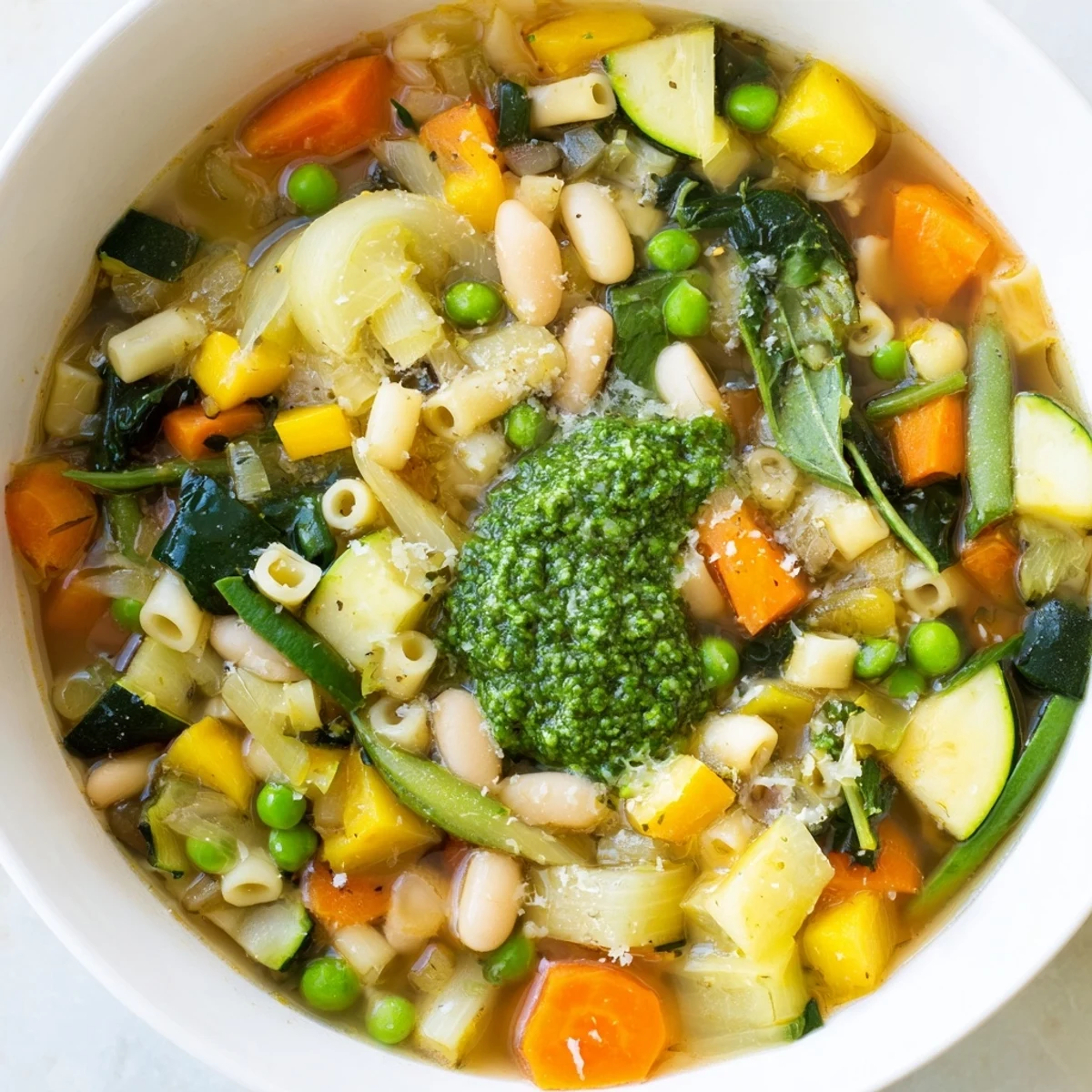
 This vibrant Italian soup combines fresh spring vegetables including carrots, zucchini, green beans, peas, and spinach with tender pasta and creamy beans. The broth is seasoned with aromatic herbs like oregano and thyme, simmered to meld flavors perfectly. Each bowl is finished with a swirl of fragrant basil pesto and a sprinkle of Parmesan, adding depth and richness. Easy to prepare and full of wholesome ingredients, this dish offers a comforting, fresh meal ideal for any season. Variations include vegan and gluten-free options.
The farmers market was bursting with those first tender vegetables that only appear for a few weeks each year, and I somehow came home with twice as much as I planned. That happy accident led to this soup, which has become my go-to way to celebrate spring vegetables without overwhelming them.
Last year my neighbor stopped by while this was simmering, and she ended up staying for dinner. We sat at my kitchen table for hours watching the steam rise from our bowls, talking about how food somehow tastes better when someone else made it, even if they only stirred the pot.
Ingredients
- 2 tablespoons olive oil: A good quality extra virgin makes a difference here since it carries the aromatics
- 1 medium yellow onion, finely chopped: Yellow onions have a natural sweetness that balances the fresh vegetables
- 2 garlic cloves, minced: Add these after the onion has softened so they do not burn
- 2 medium carrots, diced: Peel them for a cleaner look or leave the skin on for extra nutrients
- 2 celery stalks, diced: Include some of the tender leaves for more flavor
- 1 small zucchini, diced: Smaller, younger zucchini hold their shape better in soup
- 1 small yellow squash, diced: Adds beautiful color contrast alongside the green vegetables
- 1 cup green beans, trimmed and cut into 1-inch pieces: Fresh beans work best but frozen will do in a pinch
- 1 cup shelled fresh or frozen peas: Add these at the very end so they stay bright green
- 4 cups baby spinach or chopped Swiss chard: Stir these in at the last moment to preserve their vibrant color
- 1 (14-ounce/400g) can diced tomatoes, with juice: The juice adds body to the broth without needing additional thickeners
- 6 cups vegetable broth: Use a low sodium brand so you can control the salt level
- 1 teaspoon sea salt, plus more to taste: Start with less and adjust at the end since different broths vary in saltiness
- 1/2 teaspoon freshly ground black pepper: White pepper works too if you prefer not to see black specks
- 1/2 teaspoon dried oregano: Fresh oregano adds a brighter flavor if you have it growing
- 1/2 teaspoon dried thyme: Lemon thyme is particularly lovely with spring vegetables
- 1 bay leaf: Remove it before serving since eating it by accident is never pleasant
- 3/4 cup small pasta: Ditalini, elbows, or even broken spaghetti pieces work well
- 1 (15-ounce/425g) can cannellini or navy beans, drained and rinsed: These make the soup substantial enough to be a complete meal
- 1/2 cup basil pesto: Homemade is best but a good quality store bought version saves time
- 2 tablespoons grated Parmesan cheese (optional): Omit this to keep the soup vegan or serve on the side
Instructions
- Build your aromatic base:
- Heat the olive oil in a large pot over medium heat, then add the chopped onion, garlic, carrots, and celery, sautéing for about 5 minutes until the vegetables soften and your kitchen starts smelling wonderful.
- Add the spring vegetables:
- Stir in the zucchini, yellow squash, and green beans, cooking for another 3 minutes to start developing their flavors before they swim in the broth.
- Create the soup base:
- Pour in the diced tomatoes with their juice, followed by the vegetable broth, salt, pepper, oregano, thyme, and bay leaf, then bring everything to a gentle boil.
- Let flavors marry:
- Reduce the heat to low, cover the pot, and simmer for 10 minutes so the vegetables soften and the broth takes on all those layered flavors.
- Cook the pasta:
- Stir in the small pasta and cook for 6 to 8 minutes until it is just al dente, knowing it will continue to soften a bit in the hot soup.
- Add the final touches:
- Drop in the peas, spinach or chard, and beans, simmering for 3 to 4 minutes until the greens wilt beautifully and the peas turn tender.
- Fine tune the seasoning:
- Fish out and discard the bay leaf, taste the soup, and add more salt or pepper if needed before moving to serving.
- Finish with flair:
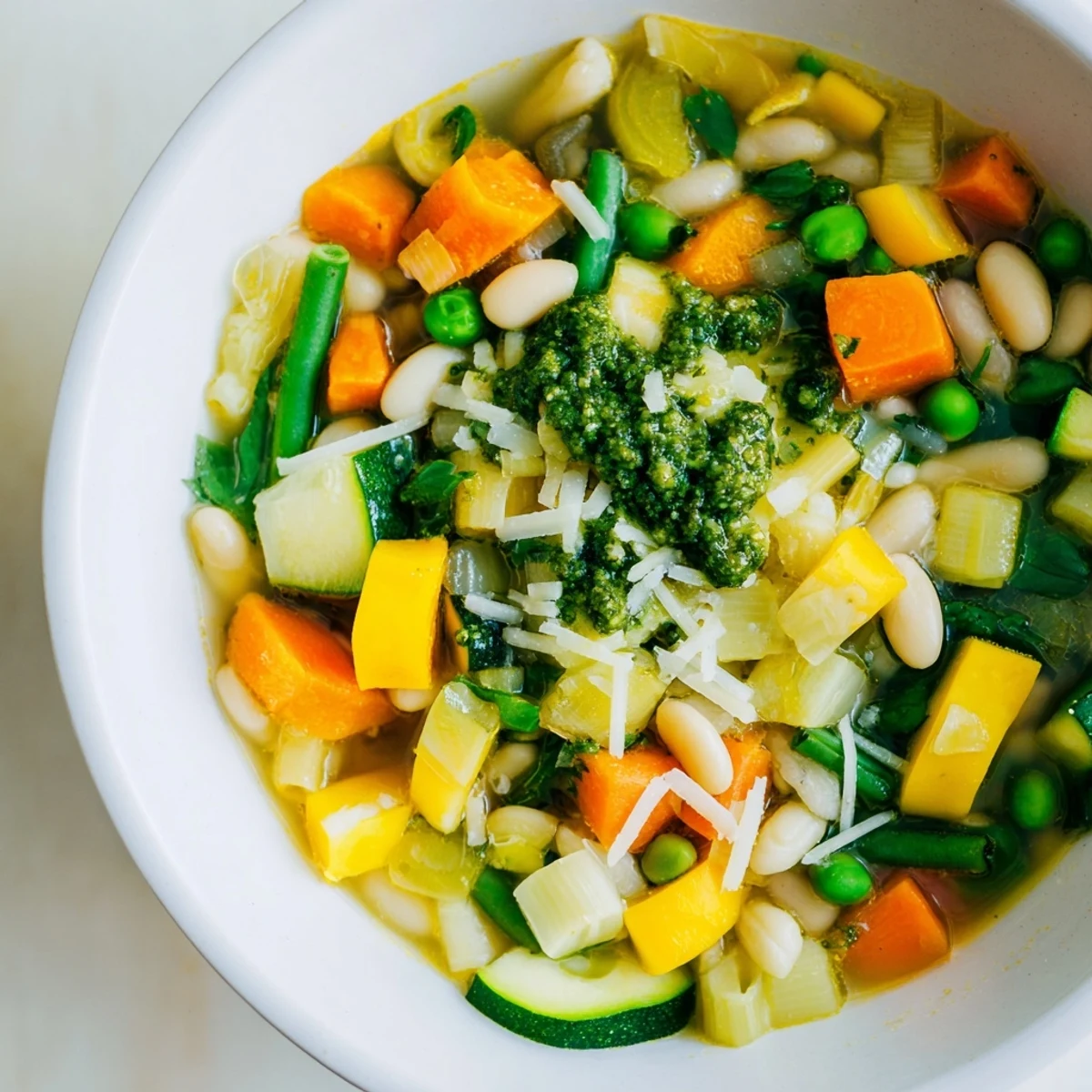
- Ladle the hot soup into bowls and swirl about 1 tablespoon of pesto into each serving, letting it create ribbons of green throughout, then sprinkle with Parmesan if you like.
 Save to Pinterest
 Now this soup appears on my table whenever the first warm days convince me winter has finally passed. There is something about watching the vegetables soften in the pot that feels like spring unfolding in slow motion, green and promising.
Make It Your Own
Feel free to swap in whatever vegetables look best at the market. Asparagus, leeks, or even fresh fava beans would be right at home here. The beauty of minestrone is that it forgives experimentation.
Serving Suggestions
Crusty bread is the obvious companion, but a simple green salad with a lemon vinaigrette cuts through the richness nicely. Sometimes I just serve it with nothing else and let the soup be the star.
Storage Tips
This soup keeps well in the refrigerator for up to four days, though the pasta will continue to soften. If you are meal prepping, consider cooking the pasta separately and adding it when you reheat each portion.
- Freeze the soup without the pesto swirl for best results
- Let the soup cool completely before transferring to airtight containers
- Thaw frozen soup in the refrigerator overnight for the best texture
 Save to Pinterest
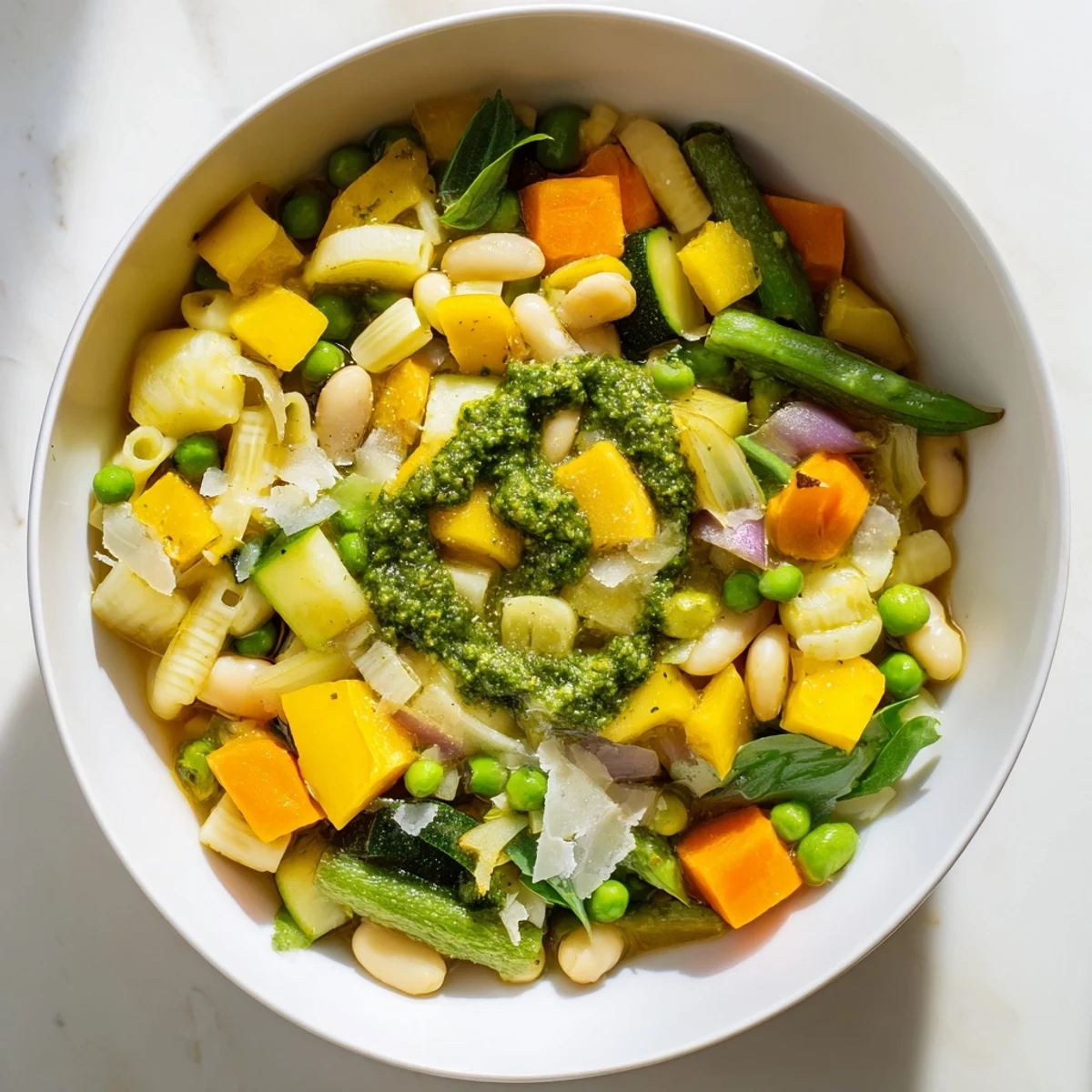
 Spring in a bowl, ready whenever you need a reminder that warmer days are coming.
Questions & Answers
- → What vegetables are used in this dish?
-
Fresh spring vegetables such as carrots, celery, zucchini, yellow squash, green beans, peas, spinach, and tomatoes form the base of this flavorful dish.
- → Can the pasta be substituted?
-
Yes, small pasta shapes like ditalini or elbow macaroni are ideal, but gluten-free pasta can be used as a substitute for dietary needs.
- → How is the pesto incorporated?
-
A spoonful of basil pesto is swirled into each serving just before serving, adding a fragrant and rich layer of flavor.
- → Are there options for vegan or dairy-free diets?
-
Absolutely. Use vegan pesto and omit Parmesan cheese to suit vegan or dairy-free preferences without compromising taste.
- → What herbs enhance the broth’s flavor?
-
Oregano, thyme, and bay leaf infuse the broth with aromatic notes that complement the fresh vegetables beautifully.